
Whole-grain snacks: how to choose them and what they can offer
Clinical review pending
Ingredients, fiber and portion size all matter when choosing whole-grain snacks. Learn what to look for and what the research says about fullness and blood sugar.
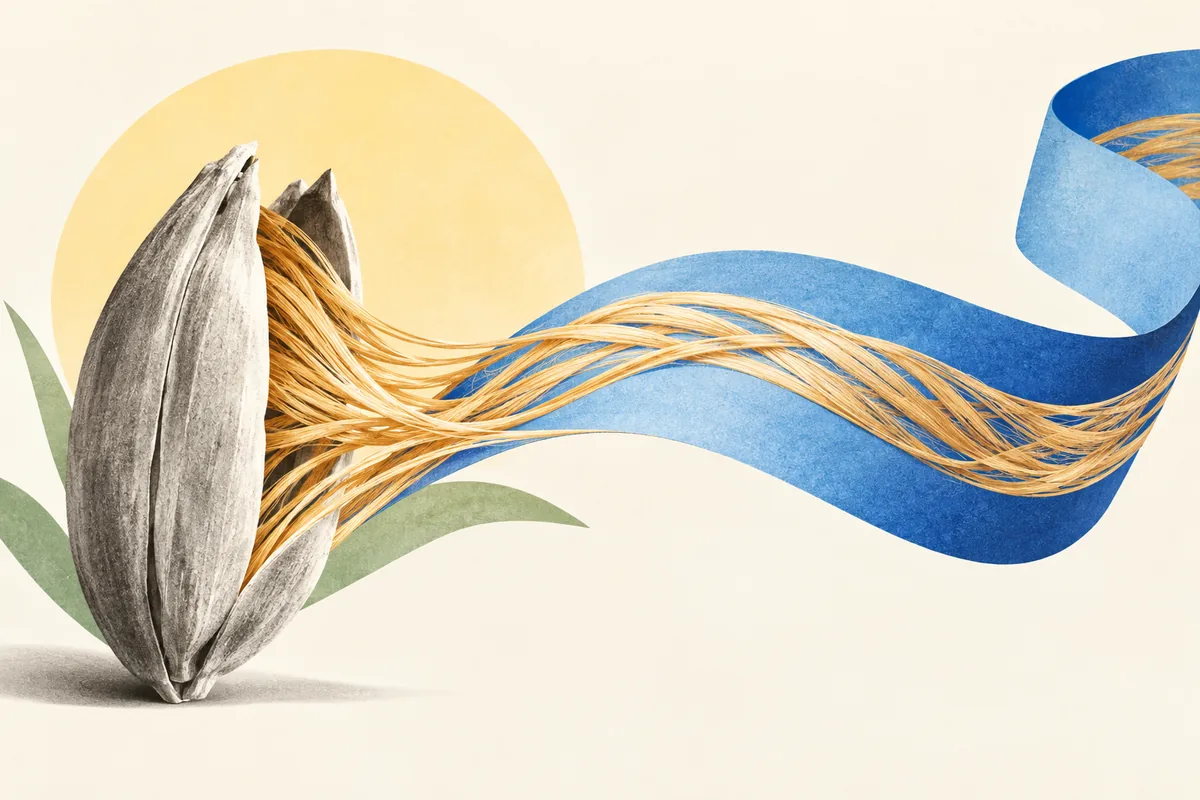
Whole-grain crackers, popcorn and oats can all make a practical snack. But the words “whole grain” alone do not tell you how much whole grain, sugar or fat a product contains. A look at the ingredients and the portion size makes choosing easier.
What whole grain actually means
Whole grains contain all three parts of the original grain: the fiber-rich bran, the nutrient-rich germ and the starchy endosperm. When grains are refined to make white flour, white rice or most conventional crackers, the bran and germ are removed. What remains is mostly starch, which your body can quickly break down into glucose. Source
The bran and germ supply fiber, vitamins and minerals, some of which are lost during refining. Whole grain does not have to mean an intact kernel, though: finely milled whole-grain flour still contains these components. How quickly its starch is digested also depends on how finely it has been milled, how it is prepared and the structure of the food. Whole grain does not automatically mean a low glycemic index.
How whole-grain snacks affect metabolism and hormones
Glucose regulation and the insulin response
A meta-analysis of randomized trials found that, on average, whole grains produced more favorable glucose and insulin responses after eating than refined grains, along with a small benefit for HbA1c. Fasting glucose, fasting insulin and HOMA-IR, however, did not clearly improve. This points to specific benefits, rather than a guaranteed improvement in every measure of metabolic health. Meta-analysis
A small controlled trial in people with prediabetes offers one possible explanation: a measure of beta-cell function improved after a whole-grain diet. Glucose-stimulated insulin secretion increased, an appropriate response from the pancreas that is compatible with better glucose regulation. Normal increases in insulin after eating are not inherently harmful. Primary study
Fullness and appetite hormones
Whole grains may help you feel full for longer. In a meta-analysis, participants reported less hunger and greater fullness on average after whole grains than after refined grains. The amount of energy they actually consumed, however, did not fall by a statistically clear amount overall. Portion volume and energy content also influenced the comparison. Meta-analysis of appetite and energy intake
Why might whole grains be filling? Food structure, water retention and the fermentation of certain fibers in the gut are plausible explanations. Fermentation produces short-chain fatty acids, which are involved in pathways that help regulate appetite. These mechanisms do not explain the effect of every snack: in the small prediabetes trial, for example, beta-cell function improved without a corresponding increase in the gut hormones studied. Primary study
Cardiovascular and inflammation markers
Diets rich in whole grains are associated with more favorable cardiovascular outcomes in observational studies. One specific, well-studied component is oat beta-glucan, which can lower LDL cholesterol. The EFSA assessment specifies at least 3 grams a day for this effect. The finding cannot be applied equally to every type of whole-grain cracker, or to triglycerides and inflammation markers. EFSA assessment
What gives whole-grain snacks their benefits
The amount and type of fiber
Whole grains contain several types of fiber. Some bind water and form viscous solutions; others mainly affect stool volume or are fermented by gut bacteria. The German Nutrition Society, DGE, gives at least 30 grams of fiber a day as a guideline for adults. Whole grains can contribute alongside vegetables, fruit, legumes and nuts. If your digestion is sensitive, increase the amount gradually. DGE
Micronutrient density
Whole grains provide magnesium, which supports insulin function and muscle relaxation; B vitamins, which are essential for energy metabolism; and selenium, a mineral involved in antioxidant defenses. Refined grains are often “enriched” with some nutrients after processing, but enrichment does not replace everything that has been removed.
Plant compounds and antioxidants
The bran and germ contain plant compounds such as ferulic acid, lignans and phytosterols. Their potential effects on oxidative stress, inflammation and metabolic signaling are being studied. These mechanisms help explain researchers’ interest in whole grains, but they cannot predict precisely what a single snack will do in the body.
Protein and fat from the germ
The germ provides small amounts of protein and healthy fats, including omega-3 and omega-6 fatty acids. These amounts are not enough to meet your daily needs, but they contribute to nutrient density and fullness.
Why people respond differently to whole-grain snacks
Your starting level of insulin sensitivity
Whole-grain foods can be part of a suitable diet for people with insulin resistance or prediabetes. How much individual markers change depends on your starting point, portions and the rest of your treatment. The meta-analysis found a benefit for HbA1c, but no clear improvement in fasting glucose or HOMA-IR. A particular lab result cannot therefore be promised.
The makeup of your gut microbiome
Gut bacteria ferment some fiber into short-chain fatty acids; butyrate, for example, supplies energy to cells in the colon. Researchers are still exploring how the microbiome influences a person’s response to whole grains. After antibiotics, or when previous fiber intake has been low, bacterial diversity alone cannot tell you either how much benefit to expect or how long any “recovery” should take. For everyday eating, a useful starting point is how much you can comfortably tolerate.
Portion size and food combinations
Portion size still matters with whole grains. The amount of carbohydrate, added sugar and processing all influence the glucose response. Whole-grain crackers with hummus or oats with nuts can make a filling combination. Protein and fat affect digestion, but they do not guarantee a small rise in blood sugar.
Your individual glucose response
The glucose response to the same food can differ between people and from one meal to another. Preparation, portion size, activity and earlier meals all play a part. This does not establish a universal ranking of oats, quinoa and other foods. For people with diabetes, measurements can help as part of an agreed treatment plan; a glucose sensor is not needed for ordinary snack choices.
Choosing whole-grain snacks
Look for clearly named whole-grain ingredients, such as whole wheat, oats, brown rice or whole-grain corn, preferably near the beginning of the ingredient list. “Multigrain” simply means that more than one type of grain is present. Compare fiber, sugar and portion size too. A fixed fiber threshold per snack cannot reliably separate good choices from unsuitable ones.
Whole-grain snacks to try
-
Air-popped popcorn is a whole-grain snack; adding plenty of butter, oil or sugar changes its energy content considerably.
-
Whole-grain crackers with cheese or nut butter supply fiber, protein and fat for sustained energy.
-
Steel-cut or rolled oats, including overnight oats, provide beta-glucan. Whether you reach the daily amount studied for a cholesterol effect depends on the product and portion.
-
Quinoa is botanically a seed, but it is used like a grain. It provides complete protein and can be combined with vegetables for a savory snack.
Organic whole-grain snacks
Organic products follow specific farming rules. In the EU, genetically modified organisms are prohibited and pesticides are tightly restricted, although certain approved substances may still be used. “Organic” therefore does not necessarily mean pesticide-free. Whether the higher price is worthwhile for you may also depend on your environmental and farming preferences. Whole-grain content and nutrition information remain important either way. EU rules
What to watch for
Some whole-grain snacks also contain substantial amounts of sugar or refined flour. This does not completely cancel out the contribution of the whole grains, but it changes the product as a whole. Compare similar snacks by their ingredients, nutrition information and realistic portion sizes. Neither the position of sugar in the ingredient list nor a rigid fiber threshold tells the whole story.
Keeping track of whole grains and metabolic health
The first signs that a change works for you are everyday ones: taste, digestive comfort and fullness. Lab measures such as HbA1c or LDL can be useful when there is a medical question to answer. They cannot, however, isolate the effect of your whole-grain snacks. A broad panel of insulin and inflammation markers is not needed for this purpose.
Gradually replace refined-grain products with whole-grain versions you enjoy. Studies suggest benefits, but they do not provide a fixed timetable for better lab results. For people with diabetes or lipid disorders, follow-up testing is coordinated with the overall treatment plan.
Gut bacteria are another area of research: fiber can change their composition and the substances they produce. Commercial microbiome tests do not currently turn this information into a reliable personal score of success for a particular whole-grain snack. Digestive comfort and a varied diet are more helpful guides for practical choices.
Frequently asked questions
Are whole-grain snacks better than fruit for lasting energy?
Either can make a good snack. Fruit and whole grains provide different combinations of fiber and other nutrients. Which keeps you full for longer also depends on the portion and how the food is processed. Apple slices with whole-grain crackers are one option, but not a guarantee of a more favorable glucose curve.
Can whole-grain snacks help with weight loss?
They can support fullness. In the meta-analysis, however, overall energy intake was not clearly lower than after refined grains. Total energy intake, portions and habits that work over the long term remain central to weight loss.
Do whole-grain snacks raise blood sugar?
Yes, they usually contain digestible carbohydrates. On average, studies found a more favorable glucose response than with refined grains, but finely milled whole grains can still be digested quickly. Portion size, preparation and your individual circumstances affect the result.
How much fiber should a whole-grain snack contain?
Compare similar products and take the portion size into account. A fixed minimum per snack is not a medical cutoff. Your daily intake also matters: DGE gives at least 30 grams of fiber from a range of foods as a guideline for adults.
Are organic whole-grain snacks worth the extra cost?
That depends on how much the farming standards matter to you. In the EU, organic farming tightly restricts pesticide use, but this does not automatically mean that products are free from residues. Whole-grain content, ingredients and portion size remain central to the nutritional value of your snack.
Can I eat whole-grain snacks if I have insulin resistance?
Yes. Whole grains can be part of a diet for insulin resistance. Pay attention to the amount of carbohydrate and choose products you tolerate well. If you have diabetes, measurements and any adjustments should fit your agreed treatment plan; a snack does not replace that care.
How can I tell from the label whether a snack really contains whole grains?
Look for explicitly named whole-grain ingredients and, where available, their percentage. “Multigrain” alone is not enough. The voluntary Whole Grain Stamp is especially common on US products: with the 100% stamp, all grain ingredients are whole grain, with at least 16 grams of whole grain per labeled serving; the basic stamp requires at least 8 grams. It is not a general German quality seal, and it does not by itself assess sugar or energy content. The stamp provider’s criteria
Can whole-grain snacks benefit people with insulin resistance?
They can be a sensible alternative to refined-grain products. The benefits studied mainly concern glucose and insulin responses after meals and, on average, HbA1c. The data do not show that everyone’s insulin resistance will improve as a result. The small beta-cell function study offers an interesting avenue of research, but it does not replace a long-term study of diabetes risk and treatment outcomes.
Sources and bibliography from the original article
-
Harvard. (2014). Whole Grains • The Nutrition Source. https://nutritionsource.hsph.harvard.edu/what-should-you-eat/whole-grains
-
Malin SK, Kullman EL, Scelsi AR, Godin JP, Ross AB, Kirwan JP (2019). A Whole-Grain Diet Increases Glucose-Stimulated Insulin Secretion Independent of Gut Hormones in Adults at Risk for Type 2 Diabetes. Molecular nutrition & food research, 63(7), e1800967. https://doi.org/10.1002/mnfr.201800967 Source
-
Sanders LM, Zhu Y, Wilcox ML, Koecher K, Maki KC (2023). Whole grain intake, compared to refined grain, improves postprandial glycemia and insulinemia: a systematic review and meta-analysis of randomized controlled trials. Critical reviews in food science and nutrition, 63(21), 5339-5357. https://doi.org/10.1080/10408398.2021.2017838 Source
-
Wholegrainscouncil. (n.d.). Can Switching to Whole Grains Help Reduce the Risk of Diabetes?. https://wholegrainscouncil.org/blog/2022/09/can-switching-whole-grains-help-reduce-risk-diabetes
-
Sanders LM et al. (2021). Effects of Whole Grain Intake, Compared with Refined Grain, on Appetite and Energy Intake: A Systematic Review and Meta-Analysis. Advances in Nutrition, 12(4), 1177–1195. https://doi.org/10.1093/advances/nmaa178 Full text
-
Njike VY, Smith TM, Shuval O, Shuval K, Edshteyn I, Kalantari V, Yaroch AL (2016). Snack Food, Satiety, and Weight. Advances in nutrition (Bethesda, Md.), 7(5), 866-78. https://doi.org/10.3945/an.115.009340 Source
Origin and editorial review
Translated and adapted for Nutrient Desk from the original article. Promotional membership, newsletter and laboratory offers have been removed. The bibliography is preserved in its original form so that sources can be identified accurately. Figures and source attributions have been checked within the documented editorial scope. Remaining limitations are recorded in the evidence report. Clinical review remains pending.