
Guides. Understand the ingredient first.
Short evidence guides: what human research found, where it falls short, and what it cannot tell you about a particular product.
Magnesium in depth.
Can magnesium help with sleep?
One trial found a small improvement in reported insomnia symptoms. Across studies, it remains unclear who benefits and by how much.
Low–very low certaintyMigraine · research contextMagnesium and migraine prevention
The relevant research question concerns recurring diagnosed migraine, rather than immediate relief of an unspecified headache.
Study breakdown · schuster et al.Magnesium bisglycinate and reported poor sleep
A randomised, double-blind, placebo-controlled trial published in 2025.
Systematic review · lopresti et al.Magnesium and sleep: the wider evidence
A review of randomised trials, with searches through 1 June 2026.
Form comparisonBisglycinate or citrate?
Compare the ingredient and the label separately from a claim about better sleep.
Research explained.
497 guides

17-hydroxyprogesterone
What the 17-OHP blood test measures, why results can be high, and how timing, menstrual-cycle phase, and the laboratory method affect interpretation.
2-hydroxyisobutyric acid in urine: what 2HIB can tell you
2HIB is studied in relation to fuel ethers, but is not specific to one source. How to interpret an unusual urine result and choose a useful next step.

A dopamine menu: planning activities without optimizing your whole life
A dopamine menu can make enjoyable activities easier to choose. What behavioral research contributes, and where explanations about brain chemistry go too far.
A high-protein diet for weight loss
Protein can help you feel full and preserve muscle while losing weight. Which amounts are worth considering, and where studies, kidney health and personal circumstances set limits.

A Mediterranean pantry: ingredients for easy everyday meals
Olive oil, beans, whole grains, tomatoes and nuts make Mediterranean eating practical. What these staples offer and how to use them together.
A positive anti-CCP test: what it means and what comes next
A positive anti-CCP test can point to rheumatoid arthritis. Learn how symptoms, antibody levels, and further investigations help explain the result.
Abaloparatide
Abaloparatide helps build bone in people with osteoporosis. How it works, what the studies found and which side effects have been reported.
Acetyl Octapeptide-3 (SNAP-8)
Acetyl Octapeptide-3, also called SNAP-8, is used in cosmetics for expression lines. Reported benefits rely mainly on manufacturer data; independent human studies are limited, and superiority over Argireline has not been established.
Acetyl-L-carnitine or L-carnitine: which difference matters?
L-carnitine is part of fat metabolism; acetyl-L-carnitine is also studied for nerves and the brain. Uses, studies and important limits.

Acne scars: types, treatments, and what to expect
How acne scars form, how they differ from red or dark marks, and what prevention and treatment can realistically achieve.
Acute stress: What blood cortisol and glucose can show
How cortisol and glucose respond to acute stress, what can change blood results, and why timing and the clinical question matter.
Adrenal cocktail: what orange juice, coconut water and salt actually do
The cortisol cocktail supplies sugar, electrolytes and vitamin C. What of that is supported by evidence, and when fatigue needs a different answer.
Advanced HIV/AIDS: which blood tests matter
Viral load and CD4 count are central in advanced HIV. What total lymphocyte counts add, where they fall short, and how treatment is monitored.
Afamelanotide: how Scenesse helps people live with light sensitivity
How the afamelanotide implant works in EPP, what the trials measured, and why its benefits, skin monitoring and safety belong in the same conversation.

AICAR (Acadesine): How It Works, Human Studies, and Open Questions
What AICAR does, what human and animal studies actually found, and why its effects on AMPK do not establish a safe fitness treatment.
Akkermansia muciniphila in a stool test: What the value means
What an Akkermansia stool test measures and why the bacterial share alone determines neither gut barrier nor metabolic health.
Akkermansia sp004167065: What a stool test can show
How Akkermansia sp004167065 is measured in the microbiome, which functions are under discussion and why a single value does not provide a diagnosis.
Albiglutide (Tanzeum)
Albiglutide was a once-weekly GLP-1 injection for type 2 diabetes. An overview of how it works, its trial findings, market withdrawal and side effects.
Alcohol use disorder: what blood tests can show
GGT, AST/ALT and MCV can reveal physical effects of alcohol. What the values mean, what affects them and why they cannot provide a diagnosis on their own.
Alpha-lipoic acid for neuropathy: how much relief is possible
Alpha-lipoic acid has been studied mainly in diabetic polyneuropathy. What trials of 600 mg show, and which limits and risks matter.
ALT normal range: how to interpret this liver blood test
What ALT can tell you about liver cell injury, how reference ranges vary by age and laboratory, and why one result does not establish a diagnosis.
Amycretin: how does it work, and what have studies found so far?
Amycretin acts on both GLP-1 and amylin receptors. What early studies suggest about weight loss and tolerability, and which questions remain open.
Anti-CCP reference ranges: what a positive or negative result means
How to interpret an anti-CCP result, why laboratory cutoffs differ, and what positive and negative tests mean when rheumatoid arthritis is suspected.
aod-9604 (EN)
Apigenin for sleep
Can apigenin improve sleep? What chamomile studies show, where data on isolated apigenin are missing, and which interactions to watch for.
Apple cider vinegar gummies: what the studies show and what the marketing promises
Apple cider vinegar gummies compared with the liquid: acetic acid content, studies on blood sugar and weight, and open questions about effects and safety.
Apraglutide: a medicine in development for short bowel syndrome
Apraglutide aims to improve absorption in the remaining intestine. Its proposed mechanism, study findings and unanswered questions about its development.

ARA-290 (Cibinetide): How It Works, Clinical Studies, and Safety Questions
ARA-290 explained: proposed mechanisms, early neuropathy studies, mixed outcomes, safety findings, and verified regulatory limits.
Arachidonic acid metabolism
Arachidonic acid gives rise to messengers for inflammation, blood clotting and vascular function. How COX, LOX and omega-3 fatty acids are involved.
Are Corn Nuts Healthy? What to Look for in a Crunchy Snack
How crunchy corn snacks fit into a varied diet, with practical advice on portions, sodium, ingredients and alternatives.

Are pretzels a good choice for weight loss? Fullness, portions, and blood glucose
Pretzels can fit into a weight-loss diet. Portion size, fullness, and the foods you pair them with matter more than a single insulin rise.
Are tortilla chips and salsa healthy? Nutrition and portion sizes
The calories and sodium in chips and salsa depend on the product and portion. How ingredients, dips, and cooking methods change this familiar snack.
Argireline (Acetyl Hexapeptide-8): wrinkle effects and the limits of the research
What Argireline in skin care might do for expression lines, what studies have found, and how to interpret skin penetration, concentration and tolerability.
Ashwagandha and female hormones: what studies show and what remains open
Ashwagandha is discussed for stress, menopausal symptoms and cycle problems. A look at the studies, the hormonal hypotheses and the risks.
Ashwagandha for anxiety and stress: effects, studies and risks
What controlled studies show about ashwagandha and anxiety, how the stress axis might be involved, and which risks matter before you take it.
Ashwagandha for exhaustion: why "adrenal fatigue" is not an established diagnosis
Ashwagandha for memory and concentration: what the research shows
Small studies make ashwagandha interesting for memory and focus. How to read the results, and which safety questions matter.
Ashwagandha for memory and focus: putting the data in context
Ashwagandha for men
Ashwagandha for men: the basics, how to read the evidence and common questions.
Ashwagandha for men: testosterone, training and fertility
Ashwagandha for sleep: benefits, use and limits
What studies show about sleep quality, why extracts are not interchangeable, and when caution is needed with ashwagandha.
Ashwagandha for sleep: how big is the possible benefit?
Ashwagandha for stress and anxiety: what studies actually show
Ashwagandha for women: hormones, menopause and open questions
Ashwagandha: dosage, extracts and safety questions
Ashwagandha: effects, studies and a safe assessment
Stress, sleep, hormones and training: what ashwagandha studies show, which amounts were tested and which risks matter.
Ashwagandha: which effects are supported by evidence?
At-Home Estrogen Tests: What Blood, Saliva and Urine Can Show
How home estrogen tests work, why cycle timing matters and what a single estradiol result leaves unanswered.

Bacteroides cellulosilyticus: Fiber breakdown and microbiome testing
How Bacteroides cellulosilyticus helps break down plant carbohydrates, and how to put a stool test result in context.
Bacteroides fragilis
Bacteroides fragilis can have different effects depending on the strain. Why species, toxin genes and actual toxin detection are different findings.
Bacteroidota
Bacteroidota are a large group of gut bacteria with diverse roles. What their share of a microbiome profile can tell you, and where interpretation has limits.
Balixafortide: what the breast cancer trials found
Balixafortide was studied alongside eribulin for metastatic breast cancer. The controlled trial found no additional benefit.
Barium in blood or urine: What the result means
A barium test can help investigate suspected exposure. How sample type, potassium, kidney function, and the chemical compound shape interpretation.
Basic metabolic panel: what the blood tests mean
What the eight BMP tests measure, how high and low results are interpreted, and why symptoms, medications, and trends matter.
BCAAs in a microbiome test: what the metabolic potential means
A stool-based BCAA score describes microbial genes for leucine, isoleucine and valine, not an amino acid concentration in the blood.
Beef tallow for skin: composition, acne, and the evidence
Beef tallow may help skin retain moisture, but it does not suit every skin type. What composition, acne research, and alternatives can tell us.
Beetroot powder: what nitrate can do for blood pressure and endurance
Beetroot supplies nitrate, which the body can convert to nitric oxide. What studies show and why the nitrate dose matters more than the number of teaspoons.
Benfotiamine or standard vitamin B1
Benfotiamine is absorbed better than standard vitamin B1. Whether that helps in diabetic neuropathy remains unclear, as study results have been mixed so far.
Benign skin growths: Types, warning signs, and treatment
Common benign skin growths, warning signs, medical assessment, and removal options. What appearance and self-checks can and cannot tell you.
Berberine for PCOS: what studies show about metabolism, cycles and fertility
What evidence exists for berberine in PCOS, why lab values and live births are different goals, and which safety questions matter before taking it.
Berberine for SIBO: mechanisms, studies and open questions about dosing
Berberine is being studied for small intestinal bacterial overgrowth. What the source article reports about its effects, which gaps in its sources stand out, and why high doses do not justify self-treatment.
Berberine phytosome: better absorption, but also stronger effects?
Phytosome formulations change how berberine is absorbed. What blood levels, metabolic studies and product labels tell us, and which interactions matter.
Berberine vs. metformin
Berberine vs. metformin: the basics, how to read the findings, and common questions.
Berberine: effects on blood sugar, cholesterol and weight
What studies show about berberine, how large the effects are, and why interactions, product quality and the comparison with Ozempic deserve particular attention.
Berberine: what do the studies show?
Berberine is sold for blood sugar, cholesterol and weight management. Trials have found modest improvements in some blood measurements; the weight-loss claims are harder to support. What does that mean when choosing a supplement?
Betaine HCl: stomach acid, the evidence and key limits
Betaine HCl briefly lowers stomach pH. What studies show, where clinical evidence is missing and when extra acid can do harm.
Bifidobacterium adolescentis in a Stool Test: Function and Context
How Bifidobacterium adolescentis helps ferment plant carbohydrates, and what its abundance in a microbiome test can and cannot tell you.
Bifidobacterium animalis and your gut
Bifidobacterium animalis is used in probiotic products. Why benefits and study findings depend on the strain and the question being tested.
Biological age tests: methods, accuracy, and limits
What DNA methylation, telomere, and blood-based biological age tests measure, how reliable they are, and how to interpret their results.
Bivalirudin (Angiomax): how it works, uses and side effects
Bivalirudin inhibits blood clotting during catheter-based procedures on coronary arteries. How it works, what HORIZONS-AMI found, and its bleeding and thrombosis risks.
Blood Tests for Malnutrition: What They Can and Cannot Show
The roles of albumin, total protein, vitamin D, folate and B12, and why assessing malnutrition takes more than a laboratory panel.
Blood-clotting tests: which results are in the normal range?
PT, aPTT, and INR measure different aspects of clotting. Understand common reference ranges, treatment targets, medication effects, and the limits of these tests.
BNP blood test: results, causes, and how to interpret them
BNP and NT-proBNP can signal strain on the heart. How clinical thresholds, kidney function, obesity, and medications affect interpretation, and when symptoms need urgent care.
Boils and abscesses: causes, treatment, and warning signs
How boils differ from other skin abscesses, how to care for a small boil, when treatment is needed, and why these infections can return.
Boswellia for joint pain: what frankincense extracts can do
Boswellia may ease osteoarthritis symptoms. Which extracts have been studied, when an effect is possible and what to look for when choosing a product.
BPC-157 and injury recovery: what the evidence shows
A focused review of human findings, preclinical research, product identity and regulatory context.
Brilacidin: proposed mechanism and the state of the research
Brilacidin mimics the body's defense peptides. Researchers are investigating antimicrobial effects and its use for inflammation of the lining of the mouth.
Building muscle without protein powder: how to meet your protein needs
You can build muscle without protein powder. Which foods cover your protein needs and how to time meals around training.
Butyrate supplements
Sodium butyrate, tributyrin, and fermentable fiber: clinical findings in IBD, formulation limits, safety, and what laboratory measurements can tell us.
Cagrilintide: how it works, studies and approval status
Cagrilintide is being studied for weight management. What trials of the amylin analogue and the CagriSema combination show, reported side effects and unanswered questions.
Calcium in the blood: what a normal, high or low value means
Serum calcium does not measure the calcium stored in your bones. How albumin, parathyroid hormone, vitamin D and kidney function help put it in context.
Calculating protein needs during menopause: how much makes sense?
During menopause, a higher protein intake may help preserve muscle mass, improve satiety and support weight management. This article explains guide values of 1.0 to 1.6 grams of protein per kilogram of body weight, how to calculate a daily target, and the role of exercise, diet and individual circumstances.

Can a deviated septum cause sleep apnea?
How nasal narrowing can affect breathing during sleep, when septum surgery may help and why better nasal breathing does not always resolve sleep apnea.
Can a low folate level be a sign of cancer?
Can a low folate level be a sign of cancer? The basics, how to interpret results, and common questions.
Can berberine lower cholesterol?
Berberine can lower LDL and triglycerides. What the studies show, which long-term data are missing and why drug interactions matter.
Can low vitamin D levels contribute to depression or low mood?
Low vitamin D levels are seen more often in people with depression. That does not tell us whether the deficiency causes the symptoms. Supplements might ease depressive symptoms when a deficiency exists, but the studies do not agree. In people who already have adequate levels, an added benefit for mood has not been convincingly shown.
Can magnesium help relieve restless legs syndrome?
Magnesium for restless legs: what studies suggest, which supplements have been tested, and why dose, kidney function and other medications matter.

Can magnesium help with sleep?
Can peptides get you back to training faster?
What animal studies and limited human data say about BPC-157, TB-500 and recovery from sports injuries, and which questions remain open.
Can peptides get you back to training sooner?
A closer look at BPC-157, TB-500 and the human evidence behind peptide injury-recovery claims.
Can peptides get you back to training sooner?
Can you test your sperm count at home?
What at-home sperm tests measure, how to collect a sample, how reliable the results are, and when a complete semen analysis is needed.
Cancer screening: which tests make sense, and when?
A practical guide to US cancer screening recommendations, personal risk, follow-up testing, false alarms, and what multicancer blood tests can tell us.
Carnosine in skin care: effects and limits of the evidence
Carnosine is used as an antioxidant ingredient in serums and creams. What laboratory studies show and which clinical evidence is missing.
Castor oil packs
What castor oil pack studies show about constipation, how topical and oral use differ, and why liver detox claims and safety need closer scrutiny.
CEA Blood Test: What an Elevated Result Means
CEA is mainly used to monitor certain known cancers. Learn how reference ranges, smoking, inflammation, and changes over time affect the result.
Celiac blood tests: making sense of results and reference ranges
What tTG-IgA, EMA, and total IgA mean, why laboratory cutoffs differ, and when celiac blood test results need further investigation.
Celtic sea salt: minerals, health claims and risks
Celtic sea salt compared: minerals, sodium and whether trace minerals offer any health benefit.
Cerebrolysin: effects, research and approval status
What Cerebrolysin is, what stroke and dementia studies have found, and the uncertainties around benefits, risks and US approval.
Ceylon cinnamon and cassia: blood sugar, coumarin and safety
Ceylon cinnamon usually contains far less coumarin. What studies show on blood sugar, and why a spice and a high-dose supplement need separate assessment.
Chia seed water
Chia seed water provides fiber and forms a gel. How that may affect fullness and digestion, and why preparation and tolerance matter.
Chips and weight loss: choosing products, portions, and alternatives
You do not have to give up chips to lose weight. How to compare portion sizes, calorie density, and different types of chips without relying on package claims.
Chitin and the gut mycobiome: What testing can tell us
What chitin, chitinase, and fungal profiling tests measure, how stool samples are collected, and where interpretation reaches its limits.
Chloride in the blood: understanding high and low values
Together with sodium and bicarbonate, chloride shows how fluid and acid-base balance are regulated. Causes of unusual values and sensible follow-up tests.
Choline in foods: sources, servings and how to read the numbers
Which foods provide choline, how plant sources contribute, and why a reference value signals neither a deficiency nor a need for supplements.
Chronic infection: what inflammation tests can tell you
CRP, ESR and blood counts can suggest ongoing inflammation. How they contribute to investigating chronic infection, and why they do not identify a pathogen.
Clostridium perfringens: what a stool test can reveal during diarrhea
Enterotoxin, a toxin gene and bacterial presence are different findings. How to interpret C. perfringens testing during acute diarrhea.
Coenzyme Q10 and the brain: what Parkinson's and Alzheimer's research shows
Why Q10 interests brain researchers, how the large Parkinson's trial turned out and what remains open on forms, biomarkers and prevention.
Coenzyme Q10 for the skin: effects, studies and limits
What Q10 does in skin cells, what creams and capsules show, and why blood values do not predict a cosmetic benefit.
Coenzyme Q10 in diabetes: effects, studies and limits
CoQ10 in diabetes: blood sugar, oxidative stress, neuropathy, supplements and sensible follow-up, fact-checked.
Coenzyme Q10 in heart failure: benefits, dose and limits
What studies show about CoQ10 in heart failure, what role form and absorption play, and why the supplement does not replace heart treatment.
Coenzyme Q10 when trying to conceive: eggs, sperm and IVF
CoQ10 is being studied for diminished ovarian reserve and male infertility. What can be said about lab values, pregnancy and dosing.
Collagen and vitamin C: take them together or separately?
Why vitamin C is needed to make collagen, what combination studies show and why adequate intake matters more than to-the-minute timing.
Collagen and wound healing: function, studies and the limits of supplements
What role collagen plays in tissue repair, and how to weigh collagen peptides, nutrition and wound care.
Collagen for hair and nails: what can be said so far
Collagen supplies protein building blocks and is being studied for brittle nails and thinning hair. Findings, forms and practical limits.
Collinsella aerofaciens: Understanding a Gut Microbiome Result
Collinsella has been linked with diet and metabolic features. What those associations mean, and what a personal microbiome result leaves unanswered.
Comparing magnesium forms: citrate, bisglycinate and L-threonate
Absorption, elemental content and clinical effect are different yardsticks for comparison.
Complete Blood Count: Understanding the Results
Hemoglobin, white blood cells, and platelets answer different questions. Learn what a CBC shows, how results fit together, and when other tests help.
Copper tripeptide-1 in skin care: what GHK-Cu may offer
GHK-Cu is used in cosmetics for smoother, firmer-looking skin. Its mechanisms have been studied more extensively than the effects of finished products.
CoQ10 with statins: does it help with muscle pain?
Statins can lower CoQ10 in the blood. Whether extra CoQ10 eases muscle complaints is less clear: studies, intake and medical assessment.
Corticotropin (ACTH): effects, uses and side effects
Corticotropin stimulates the body's steroid production and is used for certain inflammatory and hormonal conditions. An overview of its effects, US approval and risks.
Cortisol face: what a puffy face can actually tell you
A round or puffy face is not a cortisol test. Possible explanations, warning signs, and when targeted hormone assessment makes sense.
Creatine and blood sugar: what a small diabetes study can show
Creatine and kidney values: how to interpret a rise in creatinine
Creatine and sleep: sharper performance is not more restful sleep
Creatine for depression: interesting research, uncertain benefit
Creatine gummies or powder: comparing dose, effects and evidence
Creatine monohydrate is well studied, gummies far less so. Which amount counts, how cost and sugar differ, and why creatinine values need careful interpretation.
Creatine in strength training: measure results instead of trusting percentage promises
Creatine monohydrate compared with other forms of creatine
Creatine monohydrate is the best-studied form of creatine. This article covers its effects, dosing, cost and alternatives, plus the limits of claims about tolerability, magnesium and lab values; source attributions that clearly need checking are flagged separately.
Creatine on a vegan or vegetarian diet: lower stores do not mean you have to supplement
Creatine powder or gummies: what counts when you compare
Creatine without a loading phase: what slower intake changes
CRP/DHEA-S ratio
How the ratio of hs-CRP to DHEA-S is calculated, what shifts it and why it is not a standardized diagnostic tool.
Curcumin bioavailability: what phytosomes, piperine and liposomes change
More curcumin in the blood does not automatically mean more benefit. How to compare absorption claims, product amounts and risks sensibly.
Dalbavancin, oritavancin and telavancin: effects and differences
These lipoglycopeptide antibiotics target Gram-positive bacteria, including MRSA. A comparison of their uses, duration of action and main risks.
Daptomycin: how it works, uses and side effects
Daptomycin is an intravenous antibiotic for certain Gram-positive bacteria. How it works, its approved uses, why it is unsuitable for pneumonia and its possible side effects.
Degarelix: rapidly lowering testosterone in prostate cancer
Degarelix blocks GnRH receptors and lowers testosterone without an initial surge. Its mechanism, use and side effects.
Desirudin: how it works, uses and side effects
Desirudin inhibits clotting and was used to prevent deep-vein thrombosis after elective hip replacement. An overview of its effects, US approval and risks.
DHEA-S and aging
DHEA-S falls with age and is linked to several health markers. What studies show, and why raising levels with DHEA does not automatically help.
DHEA-S: what the hormone level shows and how it changes
DHEA-S comes mostly from the adrenal glands. How age, medications and symptoms affect interpretation, and why the value is not a vitality test.
Dihexa: missing human data and retracted foundational studies
Dihexa is marketed as an experimental compound for memory and thinking. What preclinical research shows and which safety questions remain open.
Dihydroberberine vs. berberine: how do absorption, effects and safety differ?
Is dihydroberberine absorbed better than berberine, and does that make it work better on blood sugar? A small pilot study points to higher berberine levels in the blood after lower doses of dihydroberberine. That does not yet establish a correspondingly greater benefit for blood sugar control. Conventional berberine has far more clinical studies behind it. Both substances can interact with medicines, and neither replaces prescribed treatment for diabetes or obesity.
DIM supplements
DIM changes estrogen metabolism, but a benefit for symptoms has not been shown. An overview of the studies, supplement forms and key interactions.
Do hair-growth supplements work?
Hair-loss supplements work best when they address the cause. What studies show about iron, zinc, biotin, marine proteins, collagen, and saw palmetto.
Do nasal strips reduce snoring or improve athletic performance?
Nasal strips can make nasal breathing easier. Here is what research shows about snoring, sleep, athletic performance, and their limitations.
Do omega-3 supplements work? What studies show for each goal
Omega-3 reliably lowers high triglycerides. For the heart, brain, mood and exercise recovery, the benefit depends more on dose, product and starting point.
Does alcohol help you sleep?
Alcohol can make you drowsy at first but disturb your sleep later. How it affects sleep stages, waking in the night and breathing.
Does ashwagandha help with “adrenal fatigue” and burnout?
Ashwagandha may ease perceived stress in highly stressed people and possibly lower cortisol. That does not show it works against “adrenal fatigue” or burnout; with low cortisol, existing conditions and long-term use, safety questions remain open.
Does berberine help with weight loss?
In studies, berberine usually produces only modest weight loss. Who tends to respond, how it works and how the data compare with semaglutide.
Does chromium picolinate reduce cravings and blood sugar?
Chromium picolinate may slightly affect blood sugar levels. How solid the studies on insulin resistance, cravings and weight loss really are.
Does diet affect acne?
What studies show about acne, glycemic load, dairy, chocolate, whey protein, and practical dietary changes.
Does magnesium lower blood pressure?
Magnesium can lower blood pressure by an average of about 2 to 5 mmHg systolic and 1.5 to 3 mmHg diastolic, especially with high blood pressure or magnesium deficiency. The effect is limited and does not replace necessary drug treatment.
Does prebiotic soda actually reach your gut?
What prebiotic soda can do for digestion, how much fiber matters, and where ingredient studies differ from promises on the can.
Does protein make you gain weight even without exercise?
Does protein make you gain weight even without exercise? The basics, how to interpret the evidence, and common questions.
Does vitamin D make you tired? Deficiency, supplements and sleep in context
Vitamin D does not act like a sleeping pill. What tiredness may mean with deficiency or high doses, and how solid the data on timing are.
Does warm milk help you sleep?
Tryptophan, milk proteins, warmth and bedtime rituals: what warm milk might offer, what studies actually tested and how to make it part of a comfortable evening.
Dopamine detox: the theory and what may actually help
Dopamine cannot simply be reset. What trials of digital breaks and reduced screen time show, and how to change habits without deprivation.
Dosing coenzyme Q10: why the goal and the product matter
What study amounts, absorption and dosage forms can tell us, and which questions matter before taking it regularly.
DPA: understanding the lesser-known omega-3 fatty acid
Where DPA occurs, how it relates to EPA and DHA, and what fatty acid levels and supplement labels can and cannot tell you.
DSIP: what is known about delta sleep-inducing peptide?
DSIP is marketed for sleep and stress, but a human benefit is not reliably established. Its history, proposed mechanisms and limited research.

Eating for muscle growth: protein, energy and a realistic plan
How protein, carbohydrate and fat support strength training, with practical target ranges and a realistic view of lab results and weight changes.
Eating high-protein at restaurants: choices, portions and examples
You can eat high-protein at restaurants too. Examples show how your choice, portion size and cooking method affect a meal's protein content.
Echinocandins: antifungal medicines for serious Candida infections
Caspofungin, micafungin, anidulafungin and rezafungin target the fungal cell wall. How this class works, when it is used and its risks.
Efpeglenatide: how it works, trial results and approval status
Efpeglenatide is an investigational GLP-1 receptor agonist. What is known about how it works and studies of cardiovascular and kidney events.
Emu oil for skin
Emu oil as a moisturizer: what small trials and animal research show, where claims go beyond the evidence, and practical skin-care considerations.
Enclomiphene: how it works, research, and risks
How enclomiphene affects testosterone and sperm counts, what human studies show, possible risks, and its U.S. regulatory status.
Enlicitide (Lipfendra): an oral PCSK9 inhibitor
Enlicitide is designed to increase LDL uptake by the liver. The source describes US approval as Lipfendra and studies of efficacy and tolerability.
EPA or DHA: which omega-3 fatty acid matters for what
EPA and DHA do different jobs. How to read the studies on mood, brain and heart, and what really counts on the label.
Epitalon (Epithalon, AEDG): what do we know about its effects and safety?
Epitalon is marketed for longevity and sleep. What cell, animal and human studies show, which safety data are missing, and how it differs from epithalamin.
Escherichia coli: Tests and what they mean
Finding E. coli does not automatically mean an infection. The bacterial strain, testing method, and symptoms determine what the result means.
Evening primrose oil for menopause weight gain: what is the evidence?
Can evening primrose oil affect weight and hot flashes during menopause? What studies show, which questions remain open and what the alternatives are.
Exenatide: the first GLP-1 medicine and its successors
Exenatide is used to control blood glucose in type 2 diabetes. Its development, how it works, its risks and how it differs from newer medicines.
Faecalibacterium prausnitzii: A butyrate producer in microbiome testing
Why researchers study Faecalibacterium prausnitzii, what a low stool result may mean, and why it cannot diagnose intestinal inflammation.
Faecalicatena contorta
Faecalicatena contorta is part of the gut community. Understanding a test result means considering the rest of the microbiome and what the test can actually measure.

Ferretts: Ferrous Fumarate, Elemental Iron and Safe Use
Read the Ferretts iron label accurately, understand elemental iron and consider side effects, treatment monitoring and the right questions to ask.
Ferritin: What the Result Says About Your Iron Stores
What low and high ferritin mean, how inflammation affects interpretation, and which other blood measurements help assess iron stores.
Ferrous bisglycinate: absorption, side effects and how it compares with other forms of iron
When ferrous bisglycinate may be an alternative, what elemental iron means, and how to follow a response to iron treatment.
Fiber digestion in a microbiome test: potential, not a performance measurement
What a fiber digestion capacity test actually estimates, and how genetic data, fermentation products and symptoms differ.
Finding the right iron supplement: forms, dose and tolerability
Comparing ferrous sulfate, bisglycinate and other forms: elemental iron, dosing rhythm, blood tests and the limits of self-treatment.
Firmicutes
Firmicutes make up part of the gut community. What their proportion can tell you, how testing works, and why context matters more than a target percentage.
Fisetin for a longer life: what the research shows so far
Fisetin can reduce senescent cells and extend lifespan in animal models. In humans, solid evidence for a longer or healthier life is still missing; bioavailability, dosing and suitable markers of effect remain open questions.
Fish oil or algal oil: which omega-3 source fits?
Fish oil and algal oil both supply EPA and DHA. How content, absorption, quality and cost differ, and why the dose matters more than the source label.
Folate deficiency in blood tests: which values belong together
Serum folate, blood count, vitamin B12 and homocysteine: how to make sense of a possible folate deficiency.
Follistatin-344: mechanism, research and approval status
What follistatin-344 is proposed to do, what small gene-therapy studies show, and why they do not establish the efficacy or safety of the injectable peptide being sold.
fragment-176-191 (EN)
Fructooligosaccharides in a test: fermentation and tolerance
What FOS-related microbiome data describe, why prebiotics can also cause bloating, and what the limits of such tests are.
Fusobacteriota: What a Stool Microbiome Result Means
Fusobacteriota are often found at low levels in the gut. What low or higher readings can tell you, and why a microbiome profile is not a cancer test.
GABA breakdown in the gut: what a microbiome test shows
A GABA breakdown test estimates the metabolic potential of gut microbes. What it captures, how to interpret the result and where its limits lie.
GABA for better sleep
GABA as a sleep supplement: what studies show, why the blood-brain barrier matters and which uncertainties remain.
Ganirelix: controlling ovulation during assisted reproduction
Ganirelix prevents a premature LH surge during controlled ovarian stimulation. How it works, when it is used and its possible side effects.
GHK-Cu: what do we know about skin, hair and tissue repair?
GHK-Cu is being studied for skin, hair and tissue repair. What cell and animal studies show, what topical-use data exist, and why the benefits and safety of human injections remain unestablished.
ghrp-2 (EN)
ghrp-6 (EN)
Giardia lamblia testing: detection, symptoms and limitations
How stool antigen tests, PCR and microscopy detect Giardia, and why exposure, sample timing and treatment matter when interpreting the result.
Glepaglutide: research in short bowel syndrome
Glepaglutide is intended to improve intestinal fluid and nutrient absorption. Its pivotal trial produced different results depending on the dosing schedule.
GLOW and KLOW: peptide blends, research, and unanswered questions
GLOW combines GHK-Cu, BPC-157, and TB-500; KLOW adds KPV. What component studies show, why blends need their own evidence, and what the October 2026 US policy changes.
Glucagon: effects, uses and side effects
Glucagon raises blood glucose and is used as an emergency medicine for severe hypoglycemia. How it works, which uses are approved in the United States and its risks.
Glutathione and mold exposure: what it does in the body
How glutathione takes part in processing toxins, what supplement studies show, and why diagnosis and moisture control come first.
Glutathione and the liver: how the body processes substances
Glutathione supports the liver's protective and breakdown processes. What lies behind it, which burdens matter and what tests actually show.
Glutathione for the skin: pigmentation, studies and risks
What is known about glutathione and melanin production, why small studies do not prove guaranteed skin lightening, and why infusions carry special risks.
Glutathione oral, liposomal or by infusion: how the forms differ
How glutathione is absorbed, what studies show on capsules and liposomes, and why higher blood levels alone do not prove a health benefit.
Glutathione: how the body's own antioxidant works
Glutathione protects cells and supports metabolism. How it is made and recycled, and what blood tests or supplements can actually tell you.
Glyphosate in urine: Measuring exposure and understanding the result
What a glyphosate test measures, how AMPA fits in, and why a detectable amount is not a disease diagnosis.
Goserelin (Zoladex): how hormone suppression works
Goserelin reduces sex hormone production through continuous GnRH stimulation. It is used for hormone-dependent tumors, endometriosis and other conditions.
Growth Hormone Deficiency: What an IGF-1 Blood Test Can Tell You
How IGF-1 and IGFBP-3 help investigate growth hormone deficiency, what affects the results and why one blood test cannot make the diagnosis.
Gut health supplements: probiotics, glutamine, butyrate and fiber
What research says about probiotics, glutamine, butyrate and fiber, and how to judge whether a supplement fits your gut symptoms.
hCG (human chorionic gonadotropin): effects, uses and side effects
How hCG is used for certain fertility problems and hormone deficiencies, what studies have found, and which side effects can occur.
Healthy gas station snacks
Practical gas station snacks, from nuts and eggs to yogurt and fruit, with a clear look at portions, protein, sugar, sodium, and glucose responses.
Healthy picnic food ideas
Portable protein, fiber-rich salads, drinks, and food-safety tips for a balanced picnic. How to choose and prepare foods that work for you.
Healthy salty snacks: satisfying options and sensible portions
Nuts, edamame, popcorn and other savory snacks, with a practical look at sodium, blood pressure and individual needs.
Healthy snacks on the go
Practical snacks for travel and busy days, how protein and fiber affect fullness, and what glucose tests can and cannot tell you.
Healthy snacks that keep you full longer
How protein, fat, and fiber affect fullness, which snack combinations are worth trying, and why sleep and stress also shape hunger.
Healthy snacks to buy: what to look for on the label
Protein, fiber, serving size, and ingredients can help you choose convenient snacks without blanket food rules.

Heart attack blood tests: what troponin shows and cholesterol cannot tell you
Acute heart muscle injury and long-term cardiovascular risk call for different tests. How to understand troponin, hs-CRP, and cholesterol results.
Heart Failure: What Blood Tests Can Tell You
BNP, NT-proBNP, kidney tests and electrolytes help assess heart failure. Learn how they fit alongside symptoms, examination and a heart ultrasound.
Heart-friendly snacks: what fiber, nuts, and other foods can contribute
How fiber, nuts, and everyday snack choices can support cardiovascular health, and what the research can tell us about their effects.
hexarelin (EN)
High alkaline phosphatase: what can cause it?
What an elevated ALP result can mean, how liver and bone causes are distinguished, and why reference ranges and follow-up depend on context.
High BNP: what the result means and when it is urgent
A high BNP result can suggest cardiac strain. Learn about causes, thresholds, kidney function, medications, and when symptoms need urgent care.
High-protein meal replacements: what matters in shakes and bars
A protein shake does not automatically replace a meal. How to judge protein, energy, fiber and tolerability against your own goal.
High-protein snacks for weight loss
High-protein snacks for weight loss: the basics, how to put them in context, and common questions.
Histamine-Producing Gut Microbes: What a Test Can Show
Some gut microbes can make histamine. Detecting them shows possible production potential, which needs context from symptoms and other findings.
Histrelin: a long-acting GnRH implant
Histrelin suppresses sex hormone production. The implant is used for central precocious puberty and has also been used for prostate cancer.
How berberine affects blood sugar
Can berberine lower blood sugar? In people with type 2 diabetes, prediabetes or insulin resistance, clinical trials show reductions in fasting glucose and in HbA1c, the long-term blood sugar marker. Whether people with normal starting values also gain a meaningful benefit is much less clear. The studies are often small and short, and berberine can also cause side effects and interact with medicines.
How berberine changes gut bacteria
How does berberine affect the gut microbiome, and what does that mean for metabolism? Berberine can change the makeup of gut bacteria and the metabolites they produce. Researchers are studying its effects on the gut barrier, bile acid metabolism and blood sugar regulation, among other things. How large these changes are, and whether they bring a health benefit, cannot yet be reliably predicted for any individual. Some of the mechanisms described come from experimental studies and animal models.
How creatine supports strength, power and athletic performance
Creatine can support repeated intense efforts. How the energy stores work, and what is known about loading, daily dose and tracking results.
How long do iron tablets take to work? Blood count, ferritin and symptoms
When hemoglobin and iron stores change, why fatigue can linger, and how to monitor iron treatment sensibly.
How long does it take for collagen supplements to work?
Time frames for skin, joints and training: studies on collagen peptides, timing of intake, individual differences and open long-term questions.
How much protein do you need to lose weight?
How much protein helps you stay full while losing weight and keep as much muscle as possible? The right amount depends on factors such as body composition, training and the size of your calorie deficit. The amounts given here are a guide. How well they suit an individual cannot be read from body weight alone.
How much tart cherry juice may support sleep?
Tart cherry juice for better sleep: which amounts studies have tested, and what the limited results actually allow us to conclude.
How much vitamin D do you need during pregnancy?
How much vitamin D do you need during pregnancy? The basics, how to read the findings, and frequently asked questions.
How somatic exercises may affect your nervous system
Somatic exercises use body awareness, breathing, and movement. What research shows about stress regulation, and how to try gentle practices thoughtfully.
How to sleep on a plane: Preparation, position, and timing
Practical ways to rest on a flight, from comfortable support and blocking light to timing sleep and understanding sleep aids.
How to sleep with a cold: easing congestion, cough and a sore throat
Positioning, saline and targeted symptom relief can make a night with a cold easier. Here is what may help, what to avoid and when to seek medical care.
How to sleep with a stuffy nose: making the night easier
Use positioning, saline, room humidity, and nasal sprays sensibly, and know when persistent or one-sided congestion needs a closer look.
How to take psyllium husk: amount, water and timing
How to take psyllium husk with enough water, which amounts have been studied, and when spacing it from medications matters.
hs-CRP: making sense of inflammation and cardiovascular risk
hs-CRP also picks up low CRP concentrations. What a raised value can mean, which temporary factors affect it, and when repeat measurements help.
humanin (EN)
Humanin: what do we know about its effects and research?
Humanin is being studied in cell protection, metabolism and aging. What laboratory, animal and observational studies show, and why a therapeutic benefit in humans remains unestablished.
Hypercalcemia: making sense of high calcium and albumin
What total and ionized calcium, albumin, PTH and vitamin D reveal about high blood calcium, and why correction formulas can mislead.
Hypernatremia: what a high sodium result means
Why high blood sodium usually points to a water deficit, which other findings help, and when symptoms need urgent medical assessment.
Hyperprolactinemia
High prolactin can affect menstrual cycles, fertility, and sexual function. How to interpret the blood result and what can influence the measurement.
Hypocalcemia: understanding low blood calcium
Total calcium, albumin and ionized calcium tell different parts of the story. How to interpret a low result, its causes and symptoms.
Hypokalemia: low potassium, causes and related tests
What low potassium means for the heart and muscles, how severity is assessed, and why magnesium, kidney function and medicines matter.
IGF-1 DES: proposed mechanism and missing clinical evidence
IGF-1 DES is an experimental growth-factor analogue. Data come from laboratory and animal studies; a muscle-building benefit in humans has not been established.
IGF-1 LR3: how it works, research and risks
What is known about IGF-1 LR3: its mechanism, preclinical findings on muscle and tumor growth, and US approval status. A benefit in humans remains unestablished.
Infrared sauna blankets: heat effects, evidence, and safety
What sauna blankets may offer, which findings come from other forms of heat therapy, and why device temperatures are not a medical dose.
Insulin resistance: what glucose, insulin and the TyG index can show
How blood tests inform an assessment of insulin resistance, what the TyG index adds and why fasting conditions, medicines and clinical context matter.
Inulin powder
Inulin is a fermentable fiber that feeds gut bacteria. Which effects have been studied, and why the dose matters for how well you tolerate it.
Iron bisglycinate or ferrous sulfate: comparing effect and tolerability
Which differences between iron bisglycinate and ferrous sulfate matter, and why a gentler form is not automatically better for everyone.
Iron deficiency anemia: what blood tests show about your iron status
Which blood values point to iron deficiency anemia, how ferritin and transferrin saturation relate, and how inflammation, pregnancy and other factors change the picture.
Iron in pregnancy: needs, deficiency and safe supplementation
Why iron needs rise, which blood tests help, and how prevention, treatment, tolerability and the postpartum period fit together.
Iron in the blood: what your iron level tells you
How to interpret serum iron, what role ferritin and inflammation play, and why time of day, diet and medications can affect the results.
Iron side effects: constipation, diarrhea and nausea
Why oral iron supplements can upset the gut, and which changes to form, amount and dosing schedule can be discussed together.
Is Greek food healthy? Ingredients, portions, and Mediterranean eating patterns
Vegetables, beans, olive oil, and fish feature in many Greek dishes. What their benefits may be, and how feta, salt, and portion size fit in.
Is high testosterone good? What elevated levels mean
Why more testosterone is not automatically healthier, how SHBG affects interpretation, and when elevated levels need assessment.
Is sparkling water acidic?
What carbonation does to water’s pH, and what evidence says about teeth, digestion, bones, hydration, and kidney health.
Is the Mediterranean diet good for weight loss?
How Mediterranean eating can support weight loss, what studies show, and why portions, movement, and individual circumstances matter.
Is there a brain-fog test? How possible causes are investigated
Questionnaires, cognitive tests, and selected blood tests answer different questions. Why normal results do not dismiss persistent concentration problems.
Is trail mix healthy? Ingredients and portions matter
Nuts, dried fruit, added sugar, sodium, and portion size all shape what trail mix offers. How to choose a mix that fits your needs.
Isomaltooligosaccharide testing: what breath gases can tell you
How an isomaltooligosaccharide breath challenge is meant to work, and why the product, test protocol and symptoms matter more than a single gas reading.

Kefir grains and store-bought kefir: what does the evidence show?
What kefir grains contain, how they ferment milk, and what human studies show about lactose digestion, the gut microbiome, and metabolic health.
Kisspeptin-10: hormonal effects and the state of the research
What is known about kisspeptin-10, reproductive hormones and early human studies—and which questions remain open.
KLE1615 sp900066985
What KLE1615 sp900066985 means in a microbiome report, why its measured share can change, and how to put the result in context.
KPV: how it works, research and approval status
KPV is marketed for gut and skin concerns, but a benefit in humans has not been established. What cell and animal studies show and which approval questions remain open.
Lachnospiraceae in stool tests: one family, many different roles
How Lachnospiraceae relate to fiber and butyrate, and why a family-level stool result cannot reveal what every species is doing.
Leuprolide: effects, uses and side effects
How leuprolide suppresses sex hormone production, when it is used and which side effects have been described.
Linaclotide (Linzess): effects, uses and side effects
How linaclotide works for constipation and irritable bowel syndrome with constipation, which US-approved populations are listed, and its side effects and contraindications.
Lion’s mane as powder or capsules: what research shows about cognitive effects
Lion’s mane as powder or capsules: what research shows about cognitive effects and why products cannot simply be compared with one another.
Liquid chlorophyll: what is really in the green drops
Chlorophyllin is not the same as plant chlorophyll. How the data on body odor, acne, detox and blood formation compare.
Liquid vitamin D: absorption, dosing and blood levels
How vitamin D drops and capsules differ, what role meals and blood levels play, and where the limits on dosing and benefit lie.
LL-37: immune function, wound healing and the research
LL-37 is part of innate immunity. What its natural functions and wound-healing research suggest about possible therapeutic uses.
Low chloride in the blood: what the lab value means
A low chloride level can be linked to fluid losses, medications or illness. Its meaning depends on the trend over time, symptoms and other lab values; a single result is not a diagnosis.
Low ferritin, normal iron
Normal serum iron does not rule out empty iron stores. What low ferritin means, which symptoms are possible and how the cause is investigated.
Low libido in women: Causes, blood tests, and treatment
Why sexual desire can decline, when blood tests help, and how treatment can address pain, medication effects, hormonal changes, or other concerns.
Low-fat snacks that taste good and leave you satisfied
Protein, fiber, and seasoning make low-fat snacks more varied. How to put together combinations that fit your appetite rather than a rigid nutrient formula.
Low-salt snacks: choosing well with high blood pressure
Low-sodium snacks can help you keep an eye on salt intake. Which foods fit, and how seasoning and comparing labels make choosing easier.
LTX-315: what do we know about this experimental cancer therapy?
LTX-315 is injected directly into tumors to destroy tumor cells and trigger an immune response. Early trials suggest activity, but a clinical benefit remains unestablished. It is not approved.
Magnesium and ADHD: deficiency, mechanisms and a limited body of evidence
Why magnesium is being studied in ADHD, what studies show mainly in children, and which questions about supplements, doses and lab tests remain open.
Magnesium before bed: a small effect and an open timing question
What sleep studies on magnesium show, why taking it in the evening does not prove a timing advantage, and how to read the 2025 finding.
Magnesium before or after exercise: what is supported by evidence?
Timing is not the first question. What controlled studies show on magnesium, performance and muscle soreness, and which timing question stays open.
Magnesium bisglycinate: which effects have been studied?
How bisglycinate differs from other magnesium forms, what sleep data exist and why absorption, tolerability and effect are separate questions.
Magnesium for ADHD: how to read combination studies
What a study of vitamin D plus magnesium shows, and why it does not make magnesium a substitute for ADHD treatment.
Magnesium for anxiety: what might help and how good the data are
Magnesium affects nerves and muscles. What studies show on anxiety, how a deficiency is assessed and why form and dose are not the whole story.
Magnesium for anxiety: what the stress studies really answer
Why improvements in stress studies do not establish magnesium as a proven treatment for anxiety disorders.
Magnesium for blood pressure and the heart: a lab finding is not heart protection
What a controlled study in people with diabetes and low magnesium shows, and why it does not add up to a general heart-protection capsule.
Magnesium for constipation: forms, effects and limits
Citrate, oxide and hydroxide can have a laxative effect. What matters is the product, the amount of elemental magnesium and kidney function.
Magnesium for constipation: the effect depends on how it is used
What studies on magnesium oxide show, and why a dietary supplement is not an interchangeable substitute for a laxative.
Magnesium for muscle cramps: why there is no one-size-fits-all answer
Controlled studies on nighttime cramps disagree; exercise-related cramps and restless legs remain separate questions.
Magnesium for restless legs: early signals, not an established standard therapy
Why restless legs are not the same as cramps, and what the small magnesium studies leave open.
Magnesium for sleep: studies, forms and limits
What studies show for sleep problems, what role magnesium status plays and where dosing, kidney function and interactions set limits.
Magnesium in pregnancy: keep diet and hospital treatment apart
Why oral supplements and magnesium sulfate for preeclampsia are different uses.
Magnesium in pregnancy: needs, benefits and limits
How much magnesium pregnancy requires, what studies show on leg cramps and complications, and what remains open about supplements, tests and safety.
Magnesium L-threonate: what research shows about the brain and sleep
Animal data and small human studies make magnesium L-threonate interesting. What is known about Magtein, cognition, sleep and brain uptake, and which questions remain open.
Magnesium spray: absorption through the skin is not adequately proven
Why one small cream study proves neither reliable absorption nor a treatment for magnesium deficiency.
Magnesium spray: does magnesium get into the body through the skin?
What studies on magnesium spray, the skin barrier, sleep and cramps show, and why a pleasant skincare ritual does not treat a proven magnesium deficiency.
Magnesium: intake, blood tests and the right reason to supplement
How food contributes to your intake, what blood tests can tell you and why a time of day does not by itself prove a benefit.
MariTide: How It Works, Study Results, and Open Questions
MariTide explained: antibody–peptide design, phase 1 and phase 2 findings, weight changes, tolerability, and open questions in development.
Mazdutide: effects, trials and approval status
Mazdutide acts at GLP-1 and glucagon receptors. An overview of weight-loss trials, side effects and approval status.
Mecasermin (Increlex): effects, uses and side effects
Mecasermin replaces IGF-1 in children with certain rare growth disorders. How it works, its US-approved uses and its risks.
Mediterranean diet macros: useful numbers, flexible meals
The Mediterranean diet has no fixed macro ratio. How to fit carbohydrates, protein and fat to everyday life, and when tracking can help.
Mediterranean snacks that can keep you satisfied longer
Vegetables with hummus, yogurt with nuts or fruit with nut butter can make satisfying snacks. How to combine them, and why hunger and portions still matter.
Melanotan II: effects and risks of an unapproved peptide
What early studies and case reports show about melanotan II, skin pigmentation and possible risks.
Melatonin as an antioxidant: what cell protection means and what studies leave open
Melatonin affects oxidative processes. Why that does not add up to a proven anti-aging effect, and why high doses do not justify self-treatment.
Melatonin for night shifts: use, evidence and safe planning
How shift schedules, melatonin, light and daytime sleep fit together, and why a one-size-fits-all dose does not suit every roster.
Methanobrevibacter smithii: what stool and breath tests tell you
M. smithii makes methane and is linked with constipation. Learn why stool DNA and breath methane measure different things, and how to interpret the results.
Microbial GABA capacity and the gut-brain connection
Microbiome tests can capture the potential to build and break down GABA. What these functional clues say about the gut-brain connection, and what remains open.
Monk Mode: Can stepping back help you focus?
What research says about Monk Mode, focused work, social media breaks, and solitude, with practical ways to protect well-being.
Monthly at-home blood tests: When are they worth it?
How regular home blood collection works, which results can change within a month, and when testing more often adds little useful information.
Motixafortide (Aphexda): uses, effects and side effects
Motixafortide is used with filgrastim to collect a person's own stem cells before transplantation for multiple myeloma. How it works and its risks.
mots-c (EN)
Mouth taping: possible benefits, risks, and who should avoid it
What research says about mouth taping, nasal breathing, snoring, and CPAP leaks, and why taping is not a substitute for sleep apnea treatment.
Mushroom coffee: effects, caffeine and risks
What is proven about mushroom coffee? Caffeine, lion's mane, cordyceps, reishi and chaga compared, with study doses, limits and kidney risks.
NAC and mental health: what the studies show
NAC in obsessive-compulsive disorder, addiction and schizophrenia: mechanisms, doses studied, limits and key safety questions.
NAC dosing: study amounts, how to take it, and the limits
Which NAC amounts are used in studies, why the indication is decisive, and which claims about how to take it and its safety go too far.
NAC for the airways: loosening mucus and making sense of symptoms
How acetylcysteine acts on mucus and glutathione, what studies in COPD show and when it matters to check with a doctor.
NAC for the liver: glutathione, studies and limits
NAC is an established treatment for acetaminophen poisoning. For fatty liver and general liver support, the evidence is much more limited.
NAC or glutathione: how do the supplements differ?
NAC supplies a precursor of glutathione. Direct products take a different approach. A comparison of absorption, studies, use and limits.
NAC when trying to conceive: better lab values are not yet a higher birth rate
N-acetylcysteine is being studied for fertility problems. What the studies measure, and why retracted results do not count.
NACE in urine: A marker of acrylonitrile and smoke exposure
What NACE, also called 2CYEMA, reveals about recent acrylonitrile exposure, and how smoking, work, and sample timing affect the result.
NAD+: effects, precursors and the state of the research
What NAD+ does in metabolism and what studies on NMN, NR and infusions show: possible benefits, open questions and risks.
Nafarelin: how it works, what it is used for and side effects
Nafarelin is a nasal spray used for endometriosis and central precocious puberty. How it works and which risks have been described.
Nangibotide: what is known about the drug in septic shock?
Nangibotide is an experimental peptide aimed at runaway inflammation. Its phase 2b trial in septic shock missed its primary endpoint; efficacy is not established.
Nano-hydroxyapatite toothpaste: remineralization compared with fluoride
Nano-hydroxyapatite in toothpaste: research on remineralization, how it compares with fluoride, and open questions.
Nasal dilators: Strips or internal inserts?
How nasal strips and internal inserts can ease breathing, what research shows about snoring and exercise, and why they do not replace sleep apnea treatment.
NMN as a supplement: what the studies show
NMN can raise NAD+ in the blood. What that means for metabolism, physical function and aging, and which questions about effects and safety remain open.
Non-heme iron: foods, absorption and blood tests
Which foods supply non-heme iron, how vitamin C and meals affect its absorption, and what blood tests reveal about iron status.
Nonapeptide-1: cosmetic use and the state of research
Nonapeptide-1 is claimed to affect pigment production. What lab studies show, and what evidence of an effect on the skin's appearance is missing.
Obesity and blood tests: understanding metabolic risk beyond weight
Glucose, blood lipids, insulin, and hs-CRP add context beyond body weight. What the results can show, what affects them, and why changes over time matter.
Octreotide: how it works, what it treats and side effects
Octreotide is used for acromegaly and for symptoms of carcinoid syndrome and VIPomas. How it works, which forms are approved in the US and possible side effects.
Off-label tesamorelin: body composition and the evidence
What the studies in HIV-associated lipodystrophy show about tesamorelin, and which questions remain open for other uses.
Omega-3 dosing: which amount fits which goal
EPA and DHA for basic intake, heart health or high triglycerides: amounts, products and key limits explained clearly.
Omega-3 for the eyes: what the retina and tear film need
DHA is an important building block of the retina. What that means for dry eyes, fish oil supplements and macular degeneration.
Omega-3 in pregnancy: DHA, preterm birth and intake
DHA matters for brain and retinal development. What studies show on preterm birth, and how to think about diet, supplements and dose.
Oral hyaluronic acid: what the research shows for skin and joints
Oral hyaluronic acid for skin and joints: study results, amounts tested and the limits of how far the findings apply.
Overabundant microbiome species: what a high proportion means
A dominance report shows relative abundance. How these findings arise, and why a high percentage does not automatically diagnose overgrowth.
Ox bile supplements: possible uses and limits
What bile does for fat digestion, why symptoms after gallbladder removal need different treatments, and what is known about ox bile supplements.
Palmitoyl hexapeptide-12: skin care and the scientific evidence
What is known about this cosmetic signal peptide, its effects in skin models and the limited data on visible changes to the skin.
Palmitoyl pentapeptide-4 (Matrixyl): what can it do for your skin?
What palmitoyl pentapeptide-4 in skin care products might do, what a 12-week study found and where the data on effects and tolerability are limited.
Palmitoyl tripeptide-38: uses and the limits of the evidence
What is known about Matrixyl synthe’6 in skin care products and why the effect of the peptide on its own has so far been hard to judge.
Palopegteriparatide (Yorvipath): uses, how it works and side effects
Palopegteriparatide replaces missing parathyroid hormone in adults with hypoparathyroidism. How the medicine works, what it is used for and which risks are described.
PCOS and Belly Fat: How Body Shape, Hormones, and Metabolism Connect
What abdominal fat can and cannot reveal about PCOS, how hormones and metabolism interact, and which assessments help clarify the diagnosis.
PE-22-28: What Research Shows About This Experimental Peptide
PE-22-28 explained: TREK-1, preclinical behavioral findings, differences from spadin analogs, unresolved clinical questions, and US regulation.
Pectin and your gut
Gut microbes can ferment pectin. What a test shows about this potential, and how to read the result when choosing fiber.
Pegcetacoplan: how it works, uses and risks
Pegcetacoplan inhibits the complement system. Its products for blood, kidney and eye diseases differ in how they are used and in their risks.
Pegvisomant (Somavert): how it works, uses and side effects
Pegvisomant is used for acromegaly and lowers IGF-1 by blocking growth hormone receptors. How it works, when it is prescribed and which monitoring is needed.
Perifit pelvic floor trainer
Perifit pairs pelvic floor exercises with app feedback. What the research shows, how to track improvement, and when an assessment matters.
Peripheral Artery Disease: What Blood Tests Can Tell You
Blood tests help manage vascular risk in PAD. Learn what cholesterol and other markers reveal, and why blood-flow testing still matters.
Petrelintide: how it works and early weight-loss studies
Petrelintide mimics the satiety hormone amylin. What early studies show and which questions about its effects and safety remain open.
Phocaeicola vulgatus: Understanding a Common Gut Bacterium
How Phocaeicola vulgatus helps process carbohydrates and what high or low stool-test results can, and cannot, tell you.
Plasma vitamin B6: understanding pyridoxal 5-phosphate (PLP)
PLP is a lab value for vitamin B6 status. The article explains possible causes of abnormal results, factors that affect the measurement and the risks of high supplement doses.
Plecanatide (Trulance): how it works, uses and side effects
In the US, plecanatide is used in adults with chronic idiopathic constipation or irritable bowel syndrome with constipation. How it works, what the trial data show and which risks to keep in mind.
Postbiotics: effects, studies and how they differ from probiotics
How postbiotics differ from probiotics and prebiotics, which preparations have been studied, and where data on benefits and safety are still missing.
Potassium in the blood: reference range, causes and useful follow-up tests
What low and high potassium levels mean, why the blood draw itself can affect the result, and which companion values help.
Pramlintide: an add-on to insulin therapy and its risks
How pramlintide, an amylin analog, affects blood sugar after meals and why severe low blood sugar is a major risk.
Pre-workout supplements: What is in the blend?
Caffeine, creatine, citrulline, and beta-alanine work differently. A guide to their benefits, supplement labels, and realistic expectations.
Prebiotics, probiotics and postbiotics: the differences
Microbes, food for microbes and inactivated preparations: what the terms mean and when supplements may make sense.
Prevotella copri
Prevotella copri helps process plant carbohydrates and has links to diet and metabolism. Understanding a stool result means looking beyond a single bacterial percentage.
Probiotic soda: what live cultures in a can can offer
Strain, viable count, and shelf life shape what probiotic drinks can offer. A closer look at the research, digestive symptoms, and choosing a product.
Probiotics after antibiotics: putting gut recovery in perspective
How antibiotics change the microbiome, which differences between probiotic strains matter, and when symptoms should be checked by a doctor.
Probiotics during menopause: can they help with weight loss?
Which probiotics are being studied for weight loss during menopause, and what role the gut microbiome, fiber and individual differences play.
Probiotics for histamine symptoms: strains, mechanisms and limits
Why strain names matter, what lab studies show about histamine breakdown, and why DAO and microbiome tests do not make choosing a product simple.
Probiotics for IBS: strains, studies and a sensible trial
Why probiotics work differently in IBS, where the studies fall short, and how to judge a targeted trial.
Probiotics for the skin: acne, eczema and the gut-skin axis
How gut bacteria are linked to the skin, which probiotics are being studied, and where tests and promised effects reach their limits.
Probiotics for vaginal flora and the urinary tract: benefits and limits
Lactobacillus strains for recurrent bacterial vaginosis, urinary tract infections and yeast infections: evidence, use and safety.
Probiotics for weight loss: small effects, big differences
How gut bacteria relate to metabolism, and why probiotics neither guarantee weight loss nor are matched to you by a personalized microbiome test.
Probiotics: does a higher CFU count mean a better effect?
What colony-forming units tell you, why the strain matters most, and how storage, dose and studies fit together.
Protein in peanut butter: nutrition facts and context
Peanut butter provides protein but also a lot of energy. How its protein content, amino acids and portion size compare with other foods.
Proteobacteria: reading a stool microbiome result
A higher proportion of Proteobacteria may reflect changes in the gut environment. What this finding can suggest, and what it cannot establish.
Psychobiotics: can probiotics affect mood and stress?
What strain-specific research on the gut-brain axis shows, where its limits lie for anxiety and depression, and how to judge a sensible trial.
Psyllium husk capsules vs. powder
Capsules and powder contain the same swelling fiber. How they differ in dosing, fluid needs and everyday practicality.
Psyllium husk: benefits for digestion, LDL and blood sugar
This gel-forming fiber can improve stool consistency and modestly lower LDL. What matters is using it correctly and drinking enough fluid.
PT-141 (bremelanotide): how it works, studies and approval
What is known about bremelanotide for low sexual desire, which side effects have been documented, and how Vyleesi differs from gray-market PT-141.
PTD-DBM: what the research shows about hair growth and safety
PTD-DBM promoted hair growth in mouse studies. Explore the CXXC5-Wnt mechanism, the missing human evidence, and unresolved safety questions.
Quercetin and bioavailability: what better absorption means
Phytosomes can increase quercetin absorption. Why higher blood levels do not yet prove a greater health benefit, and how to compare products.
Quercetin and zinc: what is behind the combination
In cell experiments, quercetin can influence zinc transport. Whether the combination prevents or shortens infections has not yet been established.
Raising ferritin: when iron can help and why the cause matters
Ferritin reflects iron stores only in context. What to consider before taking iron, and why a high result does not always mean iron overload.
Raspberry leaf tea during pregnancy
Can raspberry leaf tea ease labor? What the small studies show, how safety uncertainty differs from proven harm, and why dose and timing remain unsettled.
Raw carrot salad: Ray Peat's theory and the scientific evidence
The theory behind Ray Peat’s raw carrot salad, what fiber research can tell us, and which hormonal claims remain untested.
Red blood cell folate: what the lab value tells you
Folate in red blood cells reflects longer-term supply. What low and high values mean and which factors matter when it is measured.
Red light panels: wavelengths, dose, and what the research can tell us
What red light research shows for hair, skin, and pain, which device specifications matter, and why dose and treatment goals belong together.
Redmond Real Salt
Redmond Real Salt contains other minerals besides sodium chloride. How much these amounts matter, and what sodium content and iodine intake mean for your choice.
Resistant starch
Resistant starch reaches the colon, where microbes can ferment it. Learn what microbiome tests measure, what their scores mean and how this differs from dietary benefits.
Resveratrol and cancer: what lab experiments show and what human studies still need to settle
Why resveratrol interests cancer researchers, where the clinical limits lie and why high doses and combinations need medical review.
Resveratrol and longevity: what has been shown in humans
Why intriguing cell and animal data are not yet proof of a longer life, and which limits apply to metabolic studies.
Resveratrol for the heart: what studies show on blood vessels and cholesterol
Resveratrol affects some vascular and lab values. How to interpret these results, and what role dose, medications and lifestyle play.
Rucking: what walking with a weighted backpack can do
Rucking makes walking more demanding. What studies show about calorie expenditure, endurance, bone health, and joint loading.
Ruminococcus bromii: Where resistant starch digestion begins
How Ruminococcus bromii makes resistant starch available to other gut microbes, and what a stool test can tell you.
Saccharomyces boulardii: benefits for diarrhea and important limits
What the probiotic yeast can do during antibiotic treatment and diarrhea, how to read the studies, and who may be better off avoiding live yeasts.
Sea moss gel: what's in it, the evidence and the risks for your thyroid
Sea moss gel: nutrients, iodine content and possible thyroid risks, weighed against the advertised benefits.
Secretin: a hormone and a diagnostic agent
Secretin stimulates the pancreas and is used in diagnostic tests. An overview of its function, uses and side effects.
Selank: what is known about its effects, research and approval status?
Selank is being studied as an anti-anxiety peptide. Small Russian studies offer limited evidence; this article covers proposed mechanisms, how it compares with Semax and its described US regulatory status.
Semax: mechanism of action, studies and open questions
Semax is used in Russia but is not approved in the US. What the available studies say, and where independent evidence is missing.
Sermorelin: how it works, what studies show and regulatory status
What sermorelin does, what data exist on growth hormone, body composition and sleep, and why results for other GHRH drugs do not support its advertised effects.
Shatavari
Shatavari is traditionally used for hormonal and reproductive complaints. Which effects have been studied, and where data on benefits and safety are missing.
SiderAL Forte and Sucrosomial Iron: Evidence, Alternatives and Follow-Up
How sucrosomial iron differs from standard iron salts, when it may help and why dose, follow-up tests and the cause of deficiency still matter.
Silicon dioxide in dietary supplements: safety and context
Silicon dioxide keeps powders and capsule fillings free-flowing. How its form, the amount taken in and the route of exposure affect its safety.
Sleep apnea: What blood tests can add
Blood tests can help assess inflammation and metabolic health alongside sleep apnea. They do not replace a sleep study for diagnosis.
Sleeping apart: what a sleep divorce means for couples
Separate beds may reduce nighttime disturbances. What research says about sleep, relationships, and when snoring needs assessment.
Sleepmaxxing: what the better-sleep trend can actually offer
A closer look at sleepmaxxing: the evidence for sleep habits, supplements, mouth taping, trackers, and proposed blood tests.
Sleepy Girl Mocktail: what magnesium and tart cherry juice can do for sleep
The viral evening drink combines magnesium, tart cherry and fizz. What individual studies show, and why that still does not add up to a proven combination recipe.
Sleepy Girl Mocktail: what the evidence on tart cherry juice and magnesium shows
Small studies of single ingredients do not prove that the trendy drink works.
Slippery elm: what elm bark can do for the throat and gut
Mucilage from red elm forms a gel. How to weigh this mechanism and what studies show for irritable bowel syndrome and reflux.
Snacks for work: quick, practical and balanced
A work snack should be convenient and satisfying. Ways to combine protein, fiber and fat, with options that fit life at a desk.
Snacks that can support weight loss
How protein, fiber, portions, and eating habits shape a satisfying snack, with practical ideas and a clear look at the evidence.
Sodium in the blood: what high and low values tell you
The sodium value mainly reflects water balance. How to read reference ranges, medications, exercise and companion values.
Somapacitan: a once-weekly growth hormone
How somapacitan is used as a long-acting growth hormone, and which side effects and monitoring matter.
Somatropin (rhGH): effects, approved uses and side effects
Somatropin is genetically engineered human growth hormone. How it works, what it is approved for in the US, and which side effects and risks to know about.
SpectraCell micronutrient testing: what the results can tell you
How cell-based micronutrient tests work, what an abnormal result can mean, and which questions help make the findings useful.
Spermidine in food: sources, amounts and open questions
Wheat germ, legumes, mushrooms and cheese: comparing spermidine sources, understanding dry weights and putting longevity promises in context.
Spermidine: cell recycling, diet and the limits of longevity research
What autophagy means, which foods provide spermidine and how observational data differ from supplement studies.
Spore-based probiotics: what sets them apart from other cultures
Bacillus spores hold up especially well in storage and stomach acid. How they become active in the gut and what matters when comparing probiotics.
Stroke Risk: What Blood Tests Can and Cannot Tell You
Lipids and inflammation markers can support prevention. A routine blood test cannot diagnose or rule out an acute stroke.
Supplements for Arthritis: Which Findings Are Useful?
Compare glucosamine, chondroitin, curcumin, MSM, omega-3s, and Boswellia: trial findings, formulations, and practical ways to assess benefit.
Supplements for brain health and memory: what the research shows
DHA, citicoline, phosphatidylserine, lion's mane, and B vitamins: what mechanisms and clinical trials tell us about memory, amounts, and limits.
Tadalafil: how it works, uses, evidence, and risks
How tadalafil works for erectile dysfunction, prostate symptoms, and pulmonary arterial hypertension: full evidence, daily and on-demand schedules, side effects, interactions, and assessment.
Taking ashwagandha: dosage, extracts, timing and risks
What dose of ashwagandha has been studied for stress or sleep problems, and when is it taken? Studies often used standardized extracts at 300 to 600 mg a day. The results depend on the extract used, the outcome studied and the participants. No general dosing recommendation can be drawn from them. Open questions remain, above all about long-term safety and the best time to take it.
Taking berberine: dosage, timing and tolerability
Which berberine doses studies use, how the forms differ, and what is known about intake, side effects, interactions and taking breaks.
Taking zinc and magnesium together: what matters
Do zinc and magnesium need to be taken apart? What research on high zinc intake shows and how to compare combination products sensibly.
Tart cherry juice
Tart cherry juice is marketed for sleep and recovery. What the studies look at, which amounts they use and which questions remain open.
TB-500 and wound healing: which evidence applies?
A focused review of human findings, preclinical research, product identity and regulatory context.
TB-500: what the research shows, open questions and how it differs from thymosin
TB-500 is marketed for recovery. How research on the fragment can be told apart from studies of full-length thymosin.
Teduglutide (Gattex): use, effects and side effects
Teduglutide is used in short bowel syndrome to reduce the need for intravenous nutrition and fluids. How it works, its risks, and why monitoring is needed.
Tesamorelin (Egrifta SV): effects, use and side effects
Tesamorelin is approved in the US to reduce excess abdominal fat in HIV-associated lipodystrophy. What studies show about its effects, and which risks and monitoring matter.
Testicular cancer: Understanding tumor markers and hormone tests
What AFP, beta-hCG, and LDH can show, and why testosterone and estradiol answer different questions from diagnosis through follow-up.
Testing protein breakdown: enzymes, absorption and microbial fermentation
What a Protein Breakdown Capacity test may involve, and why pancreatic elastase, microbiome genes and metabolites should be read separately.
Testosterone and ApoB: Two Blood Tests, Two Different Questions
What testosterone tells you about hormones and ApoB about atherogenic particles, and why each result needs its own interpretation.
The blood type diet
What the blood type diet recommends, what its studies show, and how food quality and nutritional needs compare with ABO-based rules.
The Carnivore Diet: A Seven-Day Plan, the Research, and Important Limits
How an all-animal-food diet is structured, what the research shows, and the nutritional and metabolic questions its claims need to address.
The Glucose Goddess method: what the four tips can do
Vegetables first, walking, breakfast, and vinegar: what the studies show, and why a normal rise in glucose is not automatically a problem.
The green Mediterranean diet: principles and research
The green Mediterranean diet adds polyphenol-rich foods to Mediterranean eating. What trials show about abdominal fat, metabolism and brain aging.
The Hexa-LPS Index: An Estimate of Microbial Endotoxin Potential
What a stool-based Hexa-LPS index aims to estimate, why it is not a blood endotoxin measurement and how to read its limitations.
The low-histamine diet
A low-histamine diet can help explore possible food triggers. How to try it thoughtfully, what studies show, and why rigid food lists have limits.
The two jobs of selenium
Selenium works in several enzyme systems. What it does, why the amount matters, and where the benefits and risks of supplementing part ways.
Thrombocytopenia: understanding a low platelet count
What a low platelet count means, how mean platelet volume adds context, and why symptoms, trends, and a blood smear matter.
Thymosin Peptides: Mechanisms, Clinical Evidence, and Regulatory Status
How thymosin alpha-1, beta-4, TB-500, and prothymosin alpha differ: hepatitis, sepsis, corneal research, safety, and current US regulatory limits.
Thymulin: the link between the thymus, zinc and immune function
Thymulin is a zinc-dependent peptide from the thymus. What biological research shows and which clinical questions remain open.

Thyroid Tests: What the Results Can Tell You
How TSH, T4, T3, and antibody results fit together, what can affect them, and when further testing helps.
Tired during your period: hormones, sleep and low iron
Why fatigue can develop before and during a period, how heavy bleeding affects iron stores, and when to look for another cause.
Tirzepatide: how it works, trial results, uses and side effects
How tirzepatide affects blood sugar and body weight, what studies show about diabetes and sleep apnoea, and the side effects and limits to consider.
Trans-resveratrol and cis-resveratrol: differences, dosing and studies
How do trans- and cis-resveratrol differ? This article explains the doses studied, possible metabolic effects and the limits of the research so far.
Transferrin saturation (TSAT)
What transferrin saturation shows about available iron, how it is calculated, and why ferritin, inflammation and sampling conditions belong in the picture.
Triphala: the Ayurvedic herbal blend for digestion and what the evidence shows
Triphala: research on the Ayurvedic herbal blend, its digestive effects, and open questions about tolerability and product quality.
Trofinetide: earlier development programs before the Rett approval
What earlier trofinetide studies in fragile X syndrome and traumatic brain injury showed, and where their limits lie. It has no FDA approval for these uses.
Trofinetide: treating Rett syndrome, and its side effects
What the pivotal trial of trofinetide showed, how the drug is used and which gastrointestinal risks matter most.
Ubiquinol or ubiquinone: which CoQ10 form fits?
Both forms belong to the same system in the body. What absorption, formulation, age and studies mean for choosing between them.
Under-desk treadmills: benefits, choosing one, and making it work
What slow walking at work can change, which treadmill specifications matter, and how to make a walking pad fit your day.
Understanding Alistipes finegoldii in Your Gut Microbiome
What research suggests about Alistipes finegoldii, its possible functions and why one stool-test result cannot establish a diagnosis.
Understanding CCP-IgG: reference ranges, positive and negative results
What CCP-IgG means on a lab report, how to interpret test cutoffs and antibody levels, and why examining the joints remains essential.
Understanding cesium levels: what does a test say about exposure?
A cesium test can show how much cesium is detectable in a sample and offer clues to intake from the environment, food or supplements. An elevated value on its own, however, is not a diagnosis. Interpreting it depends on the type of sample, the timing of the measurement, possible sources of intake and whether stable or radioactive cesium is involved. Without known or suspected exposure, routine testing is usually not necessary.
Understanding serum folate: what your blood value tells you
Serum folate is a blood marker of folate status. What the value can reveal, where its limits lie and why results are judged in their health context.
Urinary 2,4-D: what this herbicide test says about exposure
How 2,4-D exposure occurs, the time window a urine test captures, and why a measured concentration cannot by itself establish illness.
Urine creatinine: Why it matters in environmental exposure testing
Urine creatinine helps put dilute and concentrated samples in context. What adjustment can do, and why this value alone cannot diagnose kidney disease.
Urolithin A
Urolithin A forms when gut bacteria break down certain plant compounds. What studies show about supplements, mitochondria and muscle function.
Vegetarian Mediterranean eating
Mediterranean eating without meat or fish: practical protein sources, plant fats and how to plan for iron, B12 and essential fatty acids.
Vibrio cholerae testing: recognizing cholera quickly
How culture, PCR and rapid tests identify cholera, and why severe watery diarrhea needs prompt fluid replacement before laboratory results arrive.
Vitamin A in the blood: how inflammation affects your retinol level
Blood retinol does not depend on vitamin A supply alone. How inflammation, liver function and supplements shape the result.
Vitamin B12 deficiency
Which blood tests help detect a vitamin B12 deficiency? The B12 level alone does not always answer that question. Taken together with the blood count, folate and certain metabolic byproducts, it gives a better picture of how well the body is supplied. Vitamin B12 is needed for making blood cells, for nerve function and for producing DNA. That is why the symptoms of a deficiency can vary so widely.
Vitamin B12 deficiency and brain fog: Symptoms, tests, and treatment
How vitamin B12 deficiency can affect thinking and concentration, which tests can help, and what treatment may improve.
Vitamin B12: blood levels, deficiency and how to read the result
What a vitamin B12 level tells you, when additional markers help, and why symptoms and the underlying cause determine treatment.
Vitamin B2: riboflavin, lab values and possible signs of deficiency
Riboflavin supports energy and enzyme metabolism. What EGRAC, plasma levels, migraine research and MTHFR findings tell us.
Vitamin C in the blood: levels, supply and the limits of the test
What a vitamin C blood level shows, why sample handling matters and when low supply should be checked by a doctor.
Vitamin D (25-OH): blood level, cutoff ranges and follow-up tests
What the 25-OH vitamin D level tells you, why cutoffs vary, and how season, kidney function, medications and lab method change how a result is read.
Vitamin D and magnesium: they interact, but you don't automatically need both
An interaction in metabolism does not mean that every vitamin D supplement has to be paired with magnesium.
Vitamin D deficiency: understanding and interpreting your blood tests
Vitamin D deficiency can weaken bones and muscles. This article explains what 25-hydroxyvitamin D, calcium and other blood values say about your vitamin D status, which symptoms can occur, and what limits apply to interpreting results and to testing recommendations.
Vitamin E: understanding its function, blood levels and status
Vitamin E protects cell membranes from oxidative damage. How well supplied the body is, however, cannot be read from a single blood value alone: blood lipids, inflammation, absorption in the gut and dietary supplements all affect the result. This article explains how these factors connect and when a medical assessment makes sense.
Vitamin K: blood levels, clotting and bone health
K1, K2 and functional markers explained clearly, with the limits of lab tests and important interactions.
Vosoritide: treating achondroplasia, and the state of the research
Vosoritide is meant to boost growth in height in children with achondroplasia. How it works and what risks come with treatment.
What are NAD supplements? NR and NMN explained
How NAD is involved in energy production, what NR and NMN change in human studies, and which questions about benefit and long-term safety remain open.
What Are the 14 Tests in a Comprehensive Metabolic Panel?
What glucose, electrolytes, kidney and liver markers in a CMP can tell you, and how to interpret the pattern rather than one flagged number.
What are the building blocks of proteins?
Essential amino acids, protein quality, muscle repair, daily requirements, and what routine laboratory tests can and cannot tell you.
What are the symptoms of a cat allergy?
Sneezing, itchy eyes, or coughing around cats: Learn the typical symptoms, how allergy tests help, and when breathing problems need urgent care.
What California sober means, and the health trade-offs involved
What California sober means, what research shows about replacing alcohol with cannabis, and the health trade-offs to consider.
What causes a Candida skin infection?
What a Candida skin rash can look like, why skin folds are vulnerable, how testing and treatment work, and what recurring symptoms may mean.
What counts as a high LDH level?
How to interpret high or low LDH, laboratory ranges, exercise-related changes, and what the test can and cannot tell you about cancer or tissue injury.
What elevated liver enzymes mean
What high ALT, AST, and ALP can mean, how reference ranges and trends help, and when abnormal liver tests need urgent assessment.
What is adrenal fatigue?
Adrenal fatigue is not a recognized diagnosis, but persistent exhaustion deserves attention. How adrenal insufficiency differs, what else can cause fatigue, and which tests may help.
What makes a Mediterranean diet?
What a Mediterranean diet looks like, how it may support metabolic health, and practical ways to follow it without rigid meal plans.
What research says about creatine and depression
Creatine is being studied as an add-on for depression. Early trials hint at a benefit, but the evidence is very uncertain and long-term effects are unknown.
What should you not take with magnesium?
Which medicines magnesium matters for, why the timing gaps differ and what details an interaction check needs.
What to eat at night when you want to lose weight
Evening snacks that satisfy hunger, what meal timing studies show, and how to fit late eating into a realistic weight-loss plan.
When should you take fiber supplements?
Psyllium husk, methylcellulose and inulin: timing, fluids, spacing from medications and matching the fiber to the goal.
When to take iron? Time of day, meals and your treatment plan
Morning or evening, with food or on an empty stomach: what really counts when taking iron, and which timing rules do not apply to everyone.
When to take omega-3: morning, evening or with food?
With omega-3, a suitable meal and regular use matter more than the time of day. What counts for absorption, burping and follow-up tests.
When to take psyllium husk: meals, medicines and effects
The right time to take psyllium husk depends on your goal. Enough fluid, regular use and the right spacing from medicines matter more.
Which prebiotics are worth trying? Foods and supplements compared
Compare inulin, FOS, GOS and PHGG, the foods that contain prebiotic fibers, and what matters most when your gut is sensitive.
Which supplements can cause constipation?
Calcium, iron and other products can change bowel habits. How to identify possible triggers and discuss changes that make sense.
Which supplements increase estrogen? What herbal products actually do
Soy, red clover, black cohosh, and chasteberry work differently. What studies show about symptoms, hormone levels, and product-specific risks.
Which type of magnesium is right for you? Glycinate, citrate, threonate and more
Which type of magnesium is right for you? Glycinate, citrate, threonate and more: the basics, how to read the findings, and common questions.
Whole-grain snacks: how to choose them and what they can offer
Ingredients, fiber and portion size all matter when choosing whole-grain snacks. Learn what to look for and what the research says about fullness and blood sugar.
Why do I make noises in my sleep? Snoring, humming and talking explained
Many sleep sounds are harmless. Learn how snoring, sleep talking and catathrenia differ, and when breathing pauses or unusual movements need assessment.
Why the heart needs magnesium
Magnesium shapes the heart's electrical activity. What a deficiency does, what studies show, and why kidney function and medications matter.
Why vegetarians and vegans may benefit most from creatine
Vegetarians and vegans usually have smaller creatine stores and may therefore get more out of a supplement for strength, intense exercise and certain kinds of memory. This article explains the studies, mechanisms, doses, tolerability and relevant lab values, along with the limits and inconsistencies in the evidence.
Why vitamin D alone may not be enough when magnesium is low
How magnesium is linked to vitamin D metabolism, which study findings are described, and what remains open on doses, blood tests and other cofactors.
Winter melon juice: tradition, nutrients, and research
Ash gourd juice from Benincasa hispida is a water-rich drink. A look at its traditional uses, nutrients, and the evidence behind modern health claims.
Ziconotide (Prialt): uses, how it works and side effects
Ziconotide is given directly into the spinal fluid for severe chronic pain. How it works, who it may be right for and what psychiatric and neurological risks it carries.
Zone 2 running: pace, heart rate, and a sensible starting point
How to guide easy endurance training, why heart-rate formulas are estimates, and what research shows about distributing training intensity.
Ingredient evidence guides.
Berberine
A plant compound found in barberry and other herbs. Best known for its role in blood sugar and cholesterol research, it is commonly sold in capsules as berberine HCl.
Human trials · outcome-dependentLion’s Mane
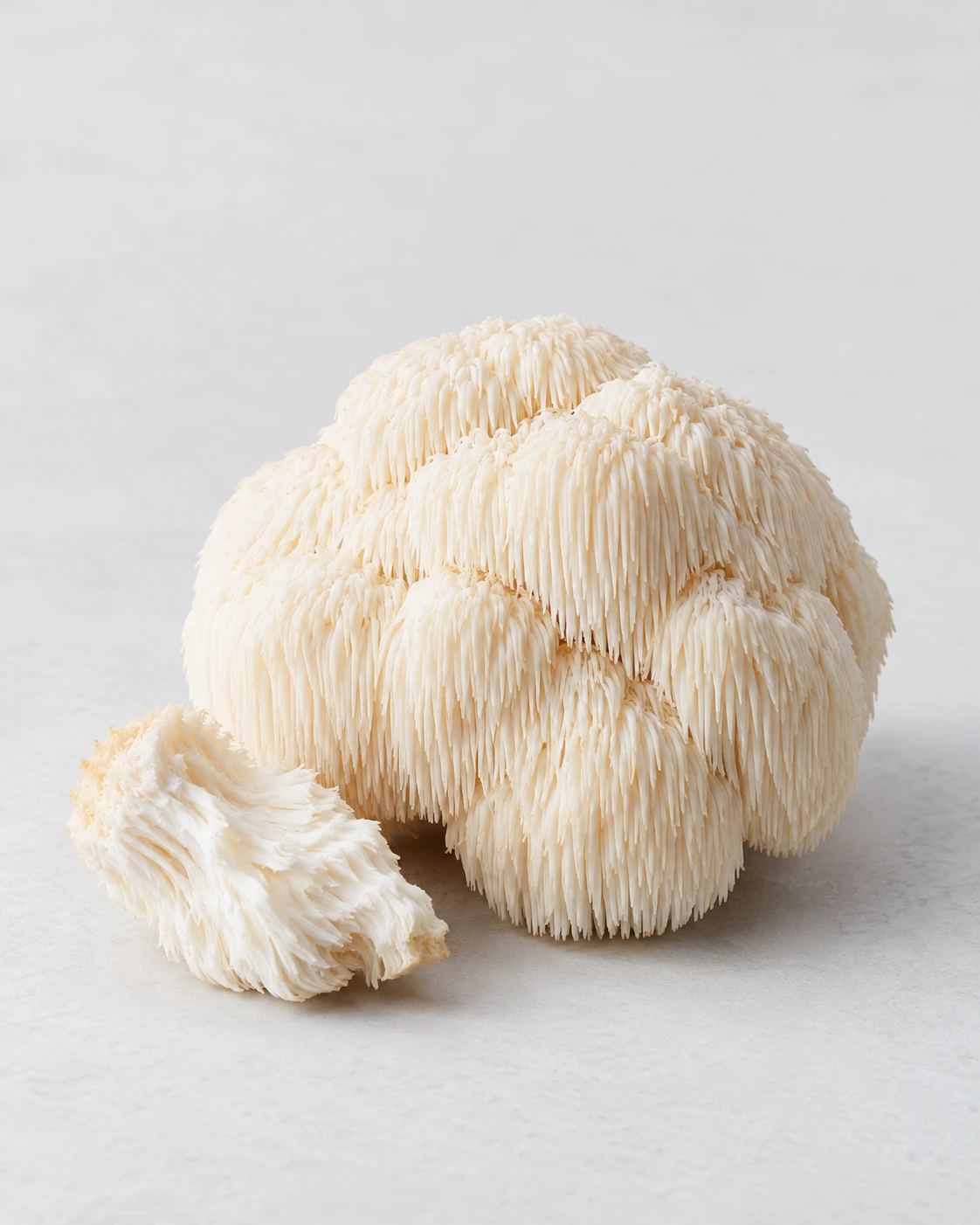
Hericium erinaceus is studied for cognition. Small trials give mixed signals; they do not establish a reliable everyday focus boost or dementia prevention.
Small human trials · mixed resultsSpermidine
Human supplement research remains limited. Autophagy mechanisms and animal findings are not evidence that a capsule extends human life.
Human evidence limited · key trial negative