
Allergic reaction
A guide to recognizing allergic reactions, identifying triggers, and interpreting supplement claims. The research section separates hay fever studies from food allergy and emergency treatment.
What does an allergic reaction look like?
Allergens can enter through breathing, swallowing, injection, or skin contact. Reactions may cause itching, hives, nasal congestion, or watery eyes; breathing difficulty, swallowing difficulty, and fainting are more concerning signs. 1
When is it an emergency?
Anaphylaxis can affect several body systems and worsen quickly. Suspected severe reactions need emergency help: 911 in the US or 112 in Germany. Prescribed emergency epinephrine is used promptly according to the emergency plan; waiting for symptoms to worsen is unsafe. 1 2
What can trigger it?
Foods, insect venom, and medicines can cause severe reactions. IQWiG identifies foods as the most frequent triggers of severe anaphylaxis in children and insect venom in adults. Exercise, alcohol, and infections can increase the likelihood of a reaction. 2
How is the cause checked?
A suspected food allergy is assessed through the symptom history, blood tests for allergy-related IgE antibodies or skin-prick testing, and sometimes a medically supervised food challenge. The BfR recommends assessment to avoid unnecessary dietary restrictions. 3
Is an intolerance the same thing?
No. Food allergy involves an immune response to proteins; intolerance involves difficulty digesting or breaking down a substance. Small quantities may be tolerated in an intolerance, whereas a food allergy can react to small amounts. 4
Nutrients with the strongest ratings
No nutrients are rated for this effect yet.
Do supplements prevent allergic reactions?
This page does not assign a supplement treatment for anaphylaxis. The evidence below concerns specific allergic conditions, not emergency care.
 ProbioticsToo little evidence
Evidence for hay fever is inconsistent and may differ by probiotic. IQWiG reports no evidence that probiotics treat food allergies. 4 5
 Quercetin and other supplementsToo little evidence
NCCIH finds evidence for quercetin, spirulina, omega-3, and stinging nettle in allergic rhinitis inconsistent or too limited to establish benefit. 5
Can a natural product trigger allergy?
NCCIH warns that herbs and bee products can themselves cause reactions in susceptible people. A natural origin does not establish allergy safety. 5
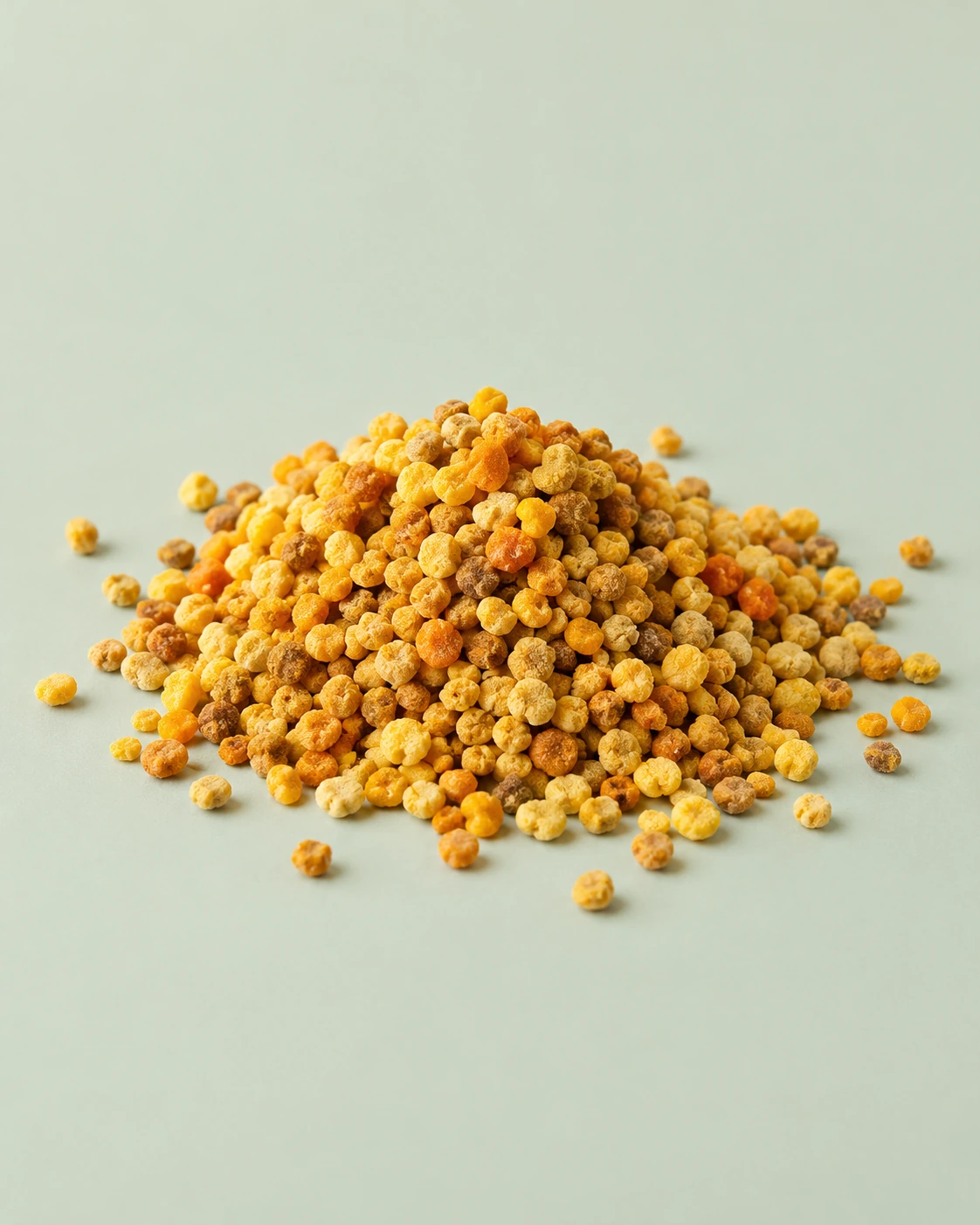 Bee pollenToo little evidence
German consumer guidance advises particular caution for people with allergies because products may contain pollen from several allergenic plants. There is no established health benefit for bee-pollen supplements. 6
What matters more than supplement claims?
For food allergy, identifying and avoiding the trigger and learning to manage acute symptoms are central. A medical discussion can clarify the diagnosis rather than relying on symptoms alone. 3 4
Questions people ask
Can symptoms return after anaphylaxis?
Yes. IQWiG notes that symptoms can recur within a day, even after treatment. 2
Can probiotics treat a food allergy?
IQWiG reports no evidence for this claim. 4
Is bee pollen suitable for people with allergies?
Verbraucherzentrale advises strong caution: the exact pollen mixture is often unknown and can include allergenic plants. 6
Does a positive test explain every symptom?
The BfR describes diagnosis as a combination of history, sensitization tests, and, when needed, a supervised challenge to check clinical relevance. 3
What should someone with a history of severe reactions carry?
MedlinePlus recommends medical identification and prescribed emergency medicines, following the treating clinician’s instructions. 1
Sources
- Allergic reactions MedlinePlus, 2026
- Anaphylaktische Reaktion (Anaphylaxie) IQWiG, 2023
- Lebensmittelallergien Bundesinstitut für Risikobewertung
- Blütenpollen als Nahrungsergänzungsmittel Verbraucherzentrale, 2026