
Bowel comfort
A guide to bowel discomfort, with a focus on IBS.
What does bowel comfort mean?
This page focuses on irritable bowel syndrome (IBS). Repeated abdominal pain with diarrhea, constipation, or both characterizes IBS. 1
How are symptoms assessed?
Diagnosis considers persistent symptoms, changes in bowel movements, effects on quality of life, and whether another illness explains the symptoms. Lactose intolerance and celiac disease can cause similar complaints. 2
When is medical assessment important?
Blood in the stool, fever, marked weight loss, or pallor can point to another bowel disease. 2
Nutrients with the strongest ratings
No nutrients are rated for this effect yet.
What can supplements do?
The evidence below concerns IBS, not every cause of digestive discomfort.
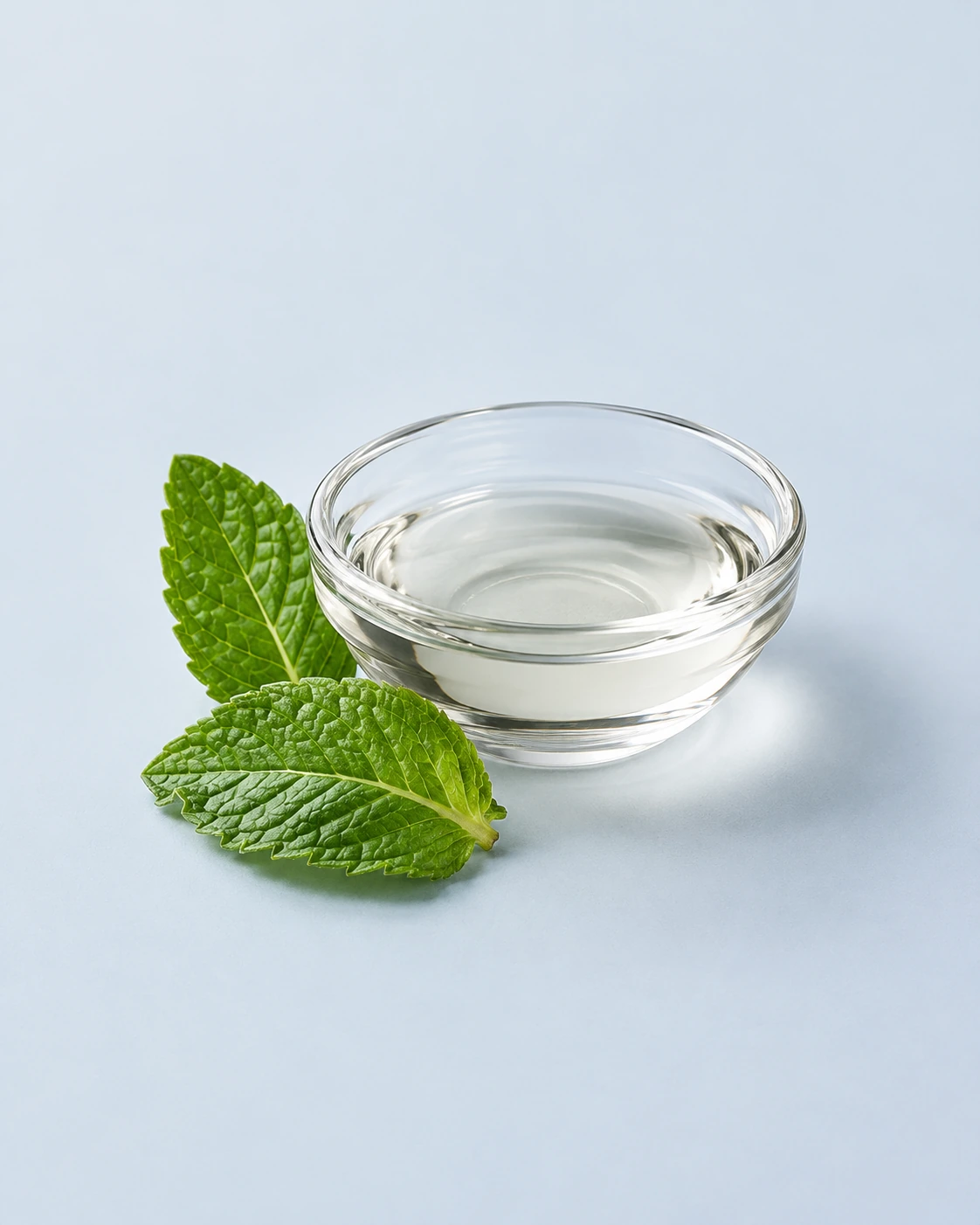 Peppermint oilMixed
Enteric-coated capsules may improve short-term symptoms, but a six-week trial found no advantage over placebo. Heartburn can occur. 1
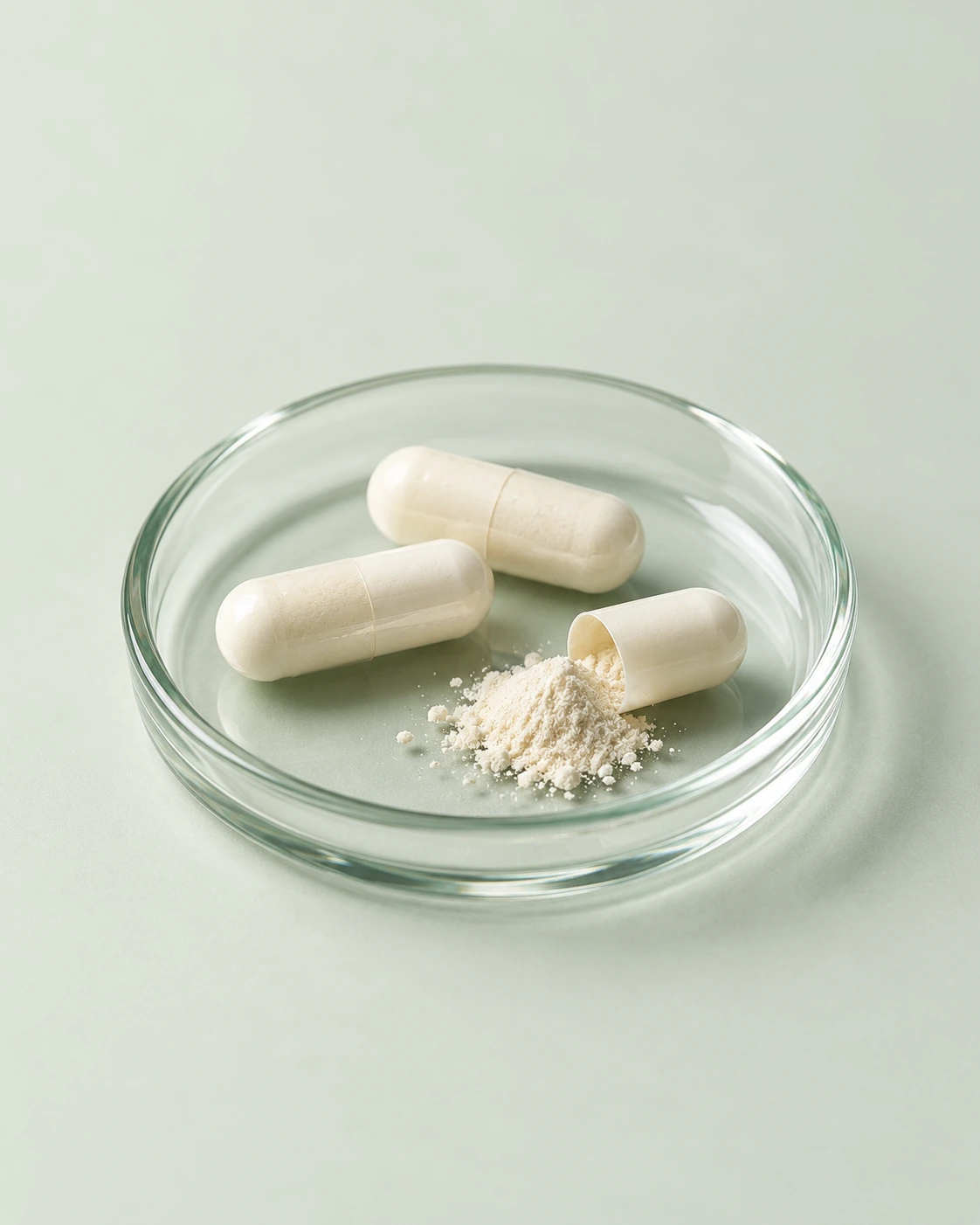 ProbioticsToo little evidence
Trials are heterogeneous and often small. Benefits cannot be assumed for every strain or combination. 1
What else may help?
Gut-directed hypnotherapy may help IBS symptoms. The choice of treatment depends on the symptoms and the individual. 1 2
Questions people ask
Is IBS dangerous?
IBS itself is not dangerous, but can substantially affect daily life. 2
Does peppermint oil always help?
No. Trials have produced positive and null results. 1
Can probiotics cure IBS?
A reliable overall benefit has not been established. 1
Can other conditions look like IBS?
Yes. Celiac disease and lactose intolerance are examples. 2
Sources
- Reizdarmsyndrom gesund.bund.de