
Liver injury
Could a supplement be involved in abnormal liver tests? This guide covers warning signs, how clinicians investigate a suspected reaction, and the evidence behind liver-support products.
Which symptoms need attention?
Yellowing of the skin or eyes, dark urine, itching, nausea, and abdominal pain can accompany liver injury. New symptoms after starting a medicine warrant medical assessment. Suspected acetaminophen overdose needs emergency treatment promptly. 1
How is a supplement reaction investigated?
Clinicians review the timing of every medicine and supplement, examine liver blood tests, and rule out other causes. Abnormal results alone do not establish which product caused the problem. 2
Can the liver recover?
Most drug-induced injuries improve after the cause is removed, but liver failure can occur. Treatment involves identifying and stopping the responsible agent under medical care. 1
What if you already have liver disease?
The BfR advises people with current or previous liver disease to avoid ashwagandha. Its warning also covers children, pregnancy, and breastfeeding. 3
Does milk thistle have safety concerns?
NCCIH reports digestive side effects and possible allergy, especially with allergy to related plants. Some products have had inaccurate ingredient amounts or contamination, so a liver-support label does not establish product quality. 4
Nutrients with the strongest ratings
No nutrients are rated for this effect yet.
Do liver-support supplements help?
This section separates treatment claims from reports of harm.
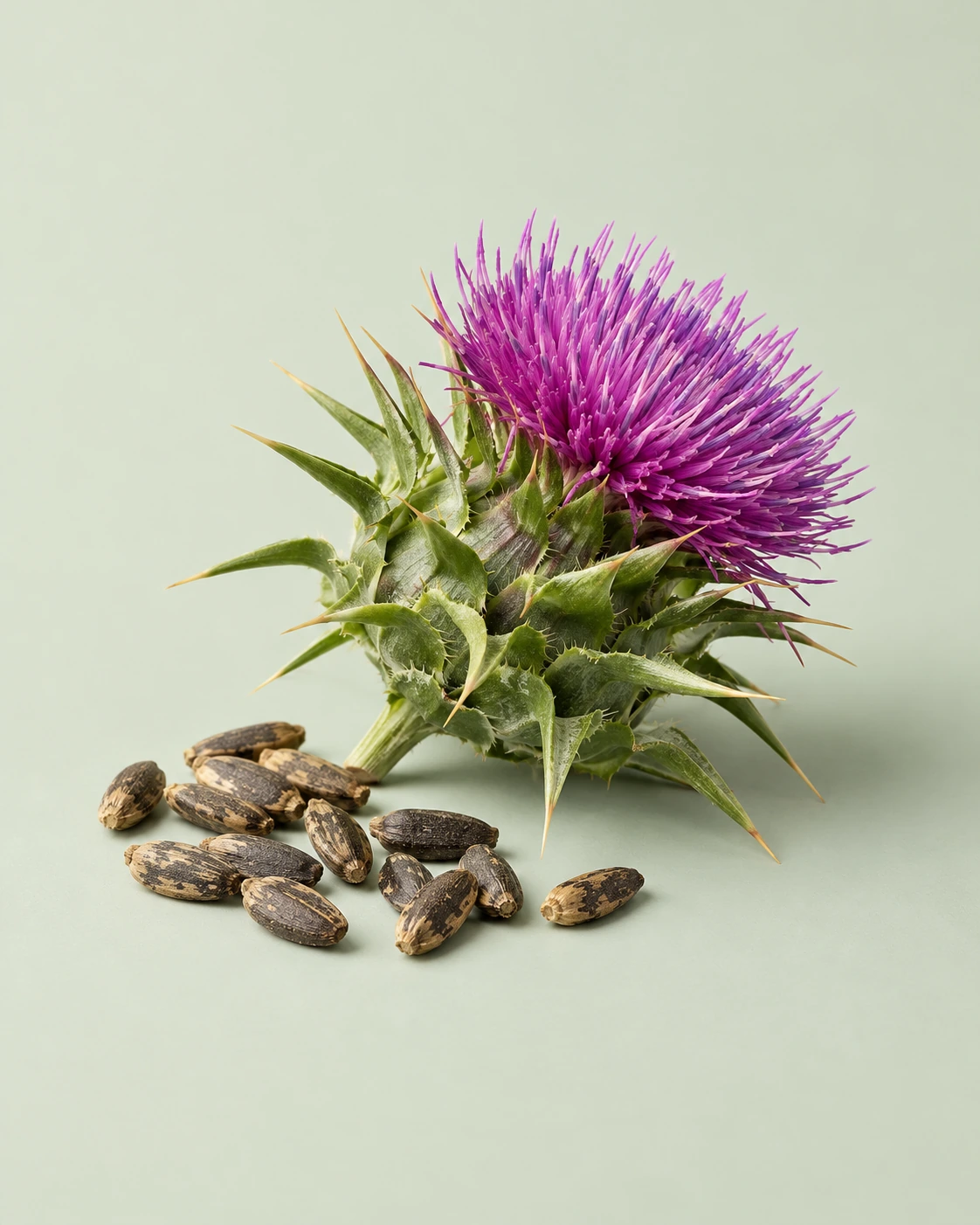 Milk thistleToo little evidence
Trials in liver disease are conflicting or too limited for firm conclusions. NCCIH-funded studies in hepatitis C and steatohepatitis found no benefit. Those conditions also differ from an acute supplement reaction. 4
What is known about ashwagandha?
Germany’s BfR highlights reports of liver damage, including severe cases, associated with ashwagandha products. It could not establish a safe intake level. Reports raise a safety concern but do not tell an individual their likelihood of injury. 3
What information helps the medical assessment?
AASLD guidance emphasizes product start and stop dates, doses, and changes in liver tests. The assessment also considers viral and autoimmune causes. A complete product history is more useful than assuming that a botanical cannot be responsible. 2
Questions people ask
Does an abnormal liver test prove a supplement caused it?
No. Diagnosis requires the exposure history and exclusion of other causes. 2
Can natural products be involved?
Yes. The BfR has reviewed liver-injury reports involving ashwagandha products. 3
Is milk thistle a proven treatment?
The clinical evidence is too limited or conflicting to establish benefit across liver diseases. 4
Should all medicines and supplements be mentioned?
Yes. MedlinePlus emphasizes a complete list, including nonprescription products and herbs. 1
Sources
- Drug-induced liver injury MedlinePlus, 2024
- Ashwagandha: Schlafbeeren-Präparate mit möglichen Gesundheitsrisiken Bundesinstitut für Risikobewertung, 2024
- Milk Thistle NCCIH