
Female Libido
Understanding changes in sexual desire: possible causes, when to seek help, and what supplement trials actually measured.
Is low desire the same as difficulty with sex?
Research separates desire from arousal, lubrication, orgasm, satisfaction and pain. A treatment can improve one part of sexual function without increasing desire, as illustrated by a saffron trial in women taking fluoxetine. 1
What can reduce sexual desire?
Stress, depression, relationship difficulties, vaginal dryness and some medicines can contribute. Pregnancy, caring for a baby and hormonal contraception can also play a role; the useful starting point is the cause rather than assuming a nutrient deficiency. 2
Does menopause always mean less interest in sex?
No. Dryness and pain can make sex less appealing, but menopause does not inevitably reduce desire. Persistent dryness, itching or pain warrants gynecological advice; lubricants and, where appropriate, local treatment can address discomfort. 3
When is it worth seeking help?
The NHS recommends a medical discussion when low desire worries you, when a medicine or contraception may be involved, or when desire has not returned after pregnancy. Treatment can involve relationship counseling, care for painful sex, mental health treatment or a review of medicines. 2
Nutrients with the strongest ratings
Sorted by the largest rated effect. Bars show effect size, the letter is the evidence grade.
Every ratingEvery nutrient rated for female libido, with search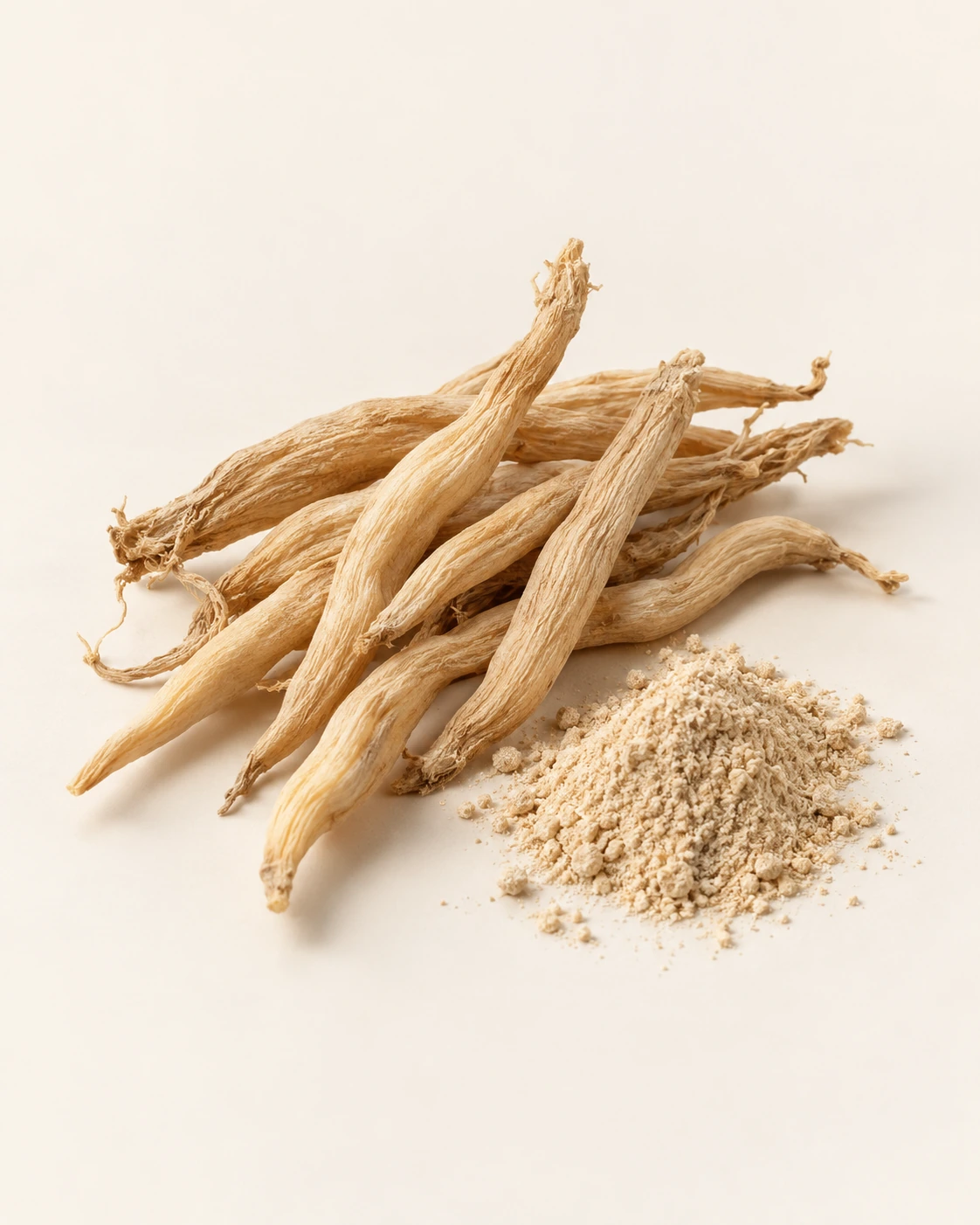
Do supplements increase desire?
This section reviews maca and saffron; it does not assess every botanical marketed for libido.
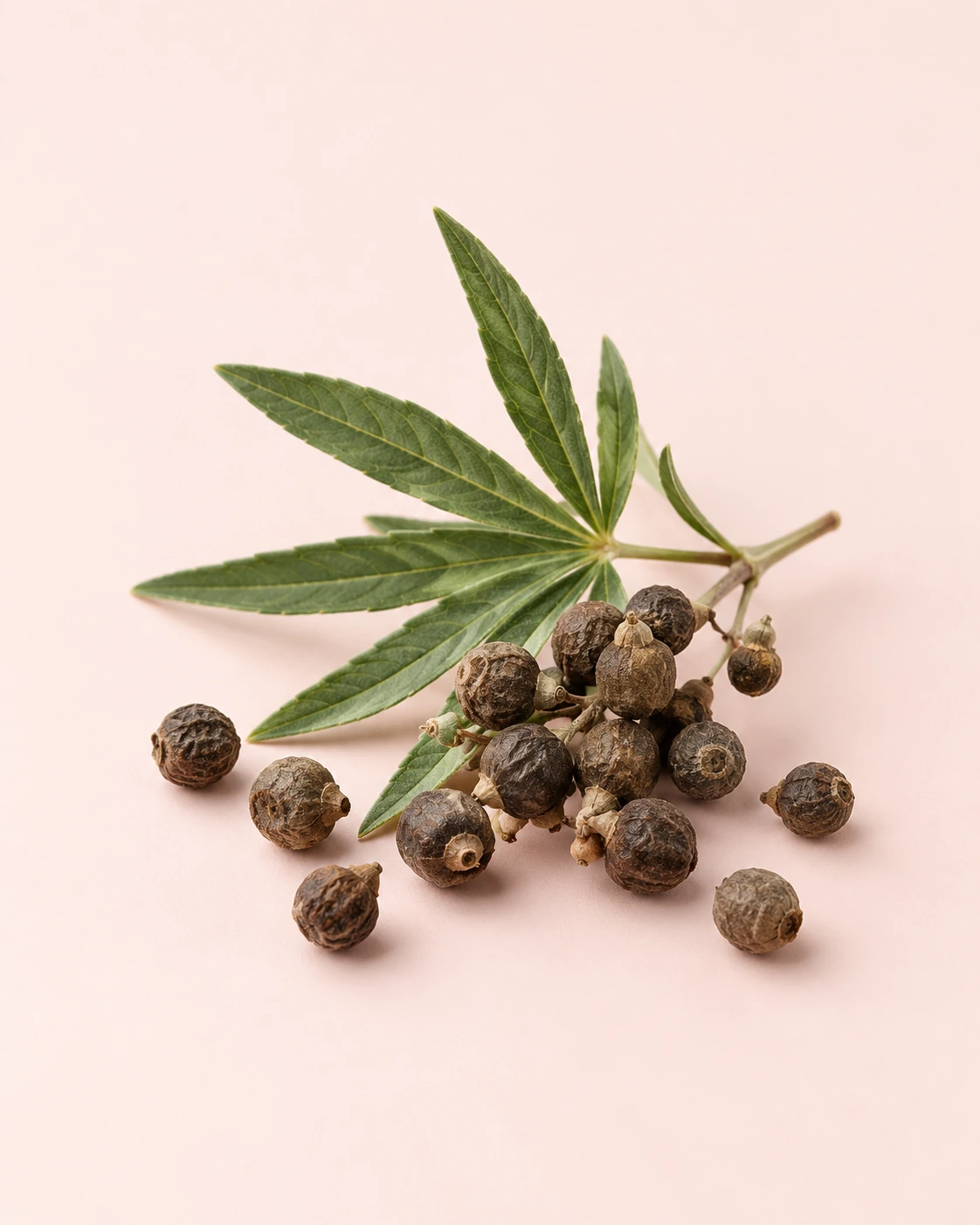
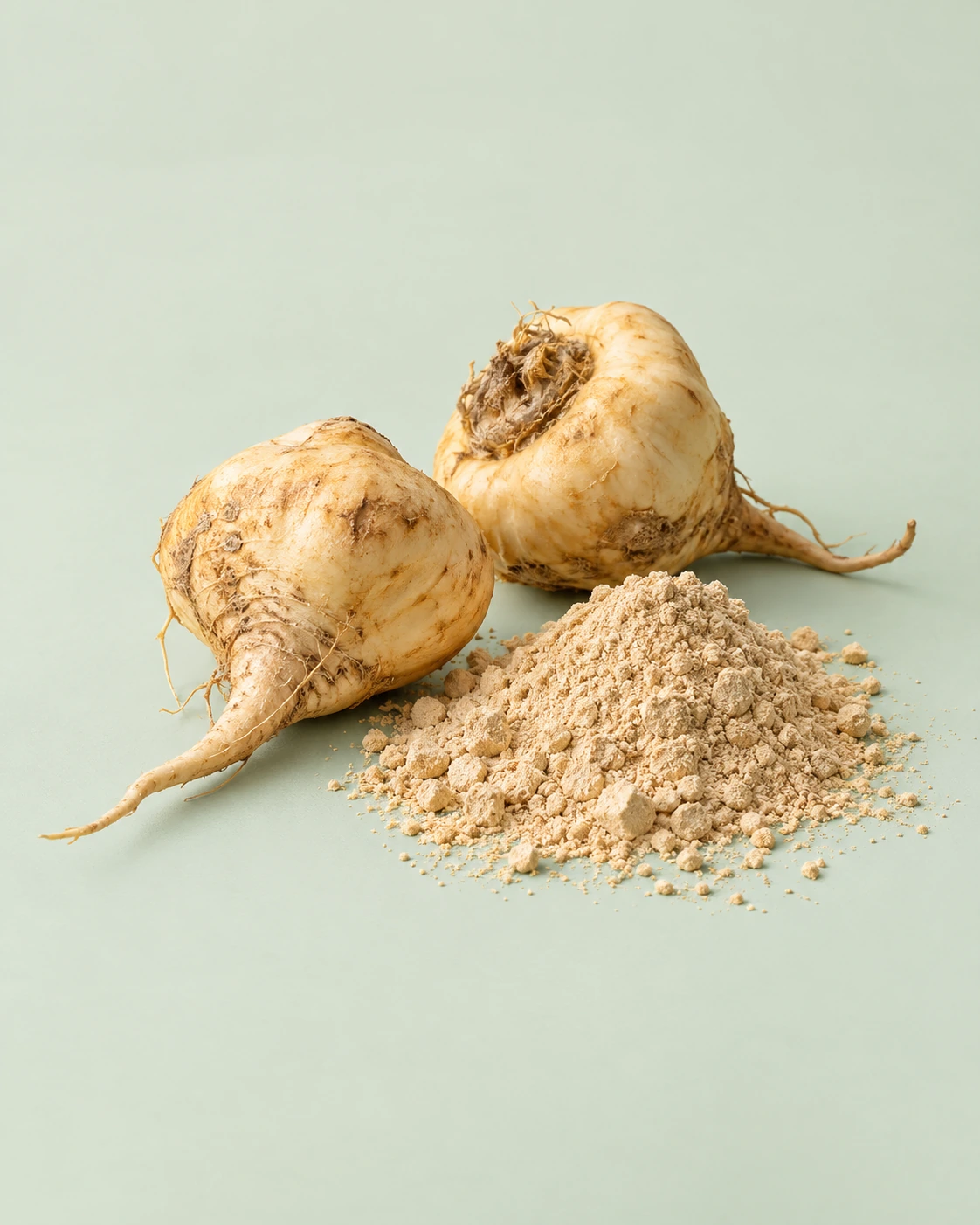 MacaToo little evidence
A review of reproductive-health claims found inconclusive clinical findings, with small samples and methodological limitations. Product composition and production practices also varied. That is insufficient evidence for a dependable increase in female desire. 4
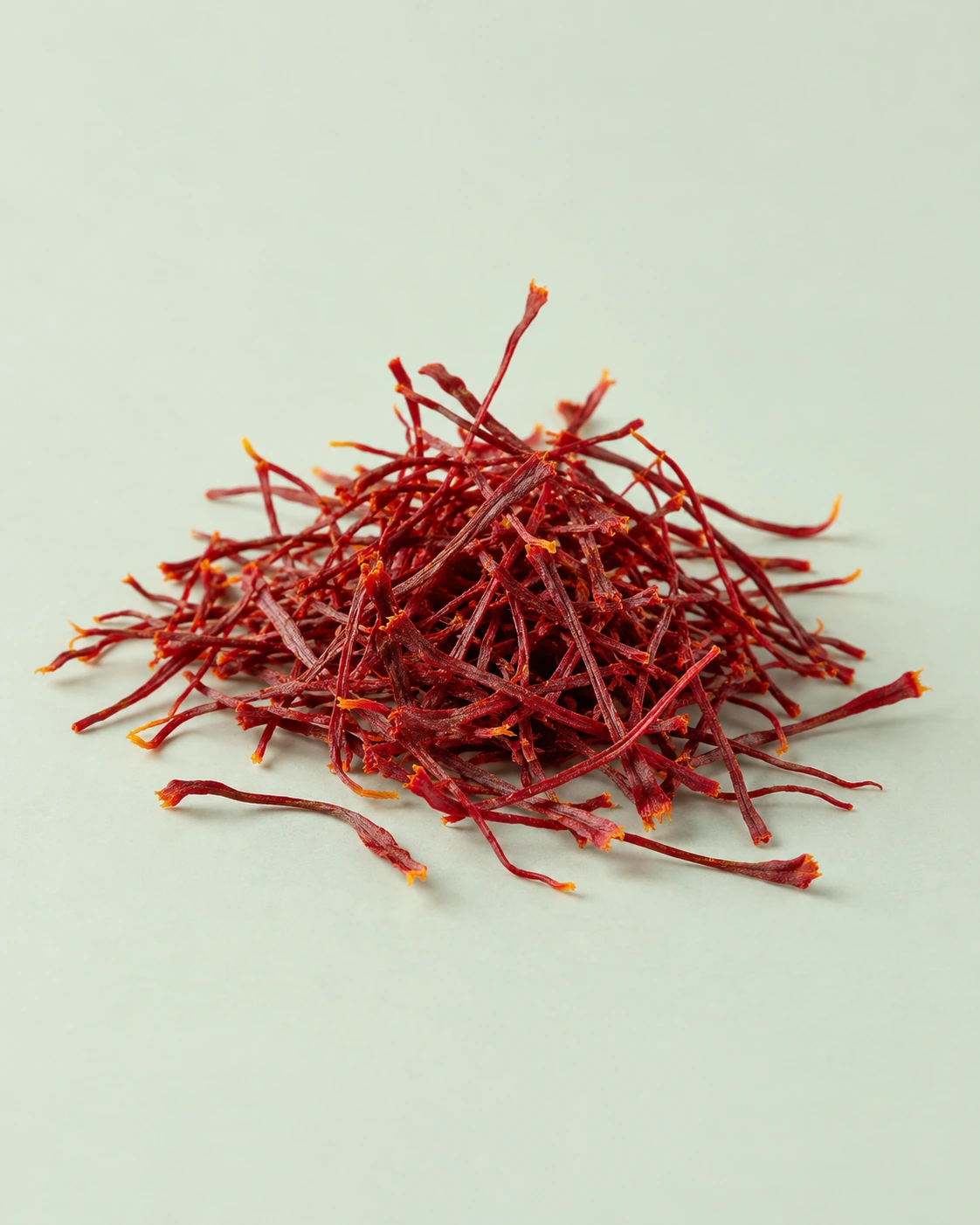 SaffronMixed
In a four-week trial, 38 women with fluoxetine-related sexual problems were assigned 30 mg daily or placebo. Arousal, lubrication and pain improved, but desire did not. A separate six-week trial in 74 women with severe sexual dysfunction found improvement in desire with 15 mg twice daily. The populations and outcomes differ, so the evidence remains mixed. 1 5
What do the trials leave unanswered?
Both saffron trials were brief and assessed sexual function with a questionnaire. Similar adverse-event rates to placebo over a few weeks do not establish long-term safety or effectiveness for every cause of low desire. 1 5
Questions people ask
Can antidepressants affect libido?
Yes. The NHS lists antidepressants among medicines that can reduce sexual desire; a clinician can review possible alternatives. 2
Does better arousal necessarily mean more desire?
No. The fluoxetine-related saffron trial improved several sexual-function domains without a significant desire benefit. 1
Is maca proven for female libido?
The cited review found inconclusive evidence and important study limitations. 4
Does menopause end sexual enjoyment?
No. Menopause does not inevitably cause loss of desire, although dryness or pain may interfere. 3
What if low desire is upsetting?
The NHS advises discussing it with a clinician so that possible causes and suitable treatment can be considered. 2