
Ovulation
Can a supplement help when ovulation is irregular? Here is how cycle tests, the underlying cause and fertility studies fit together.
What happens at ovulation?
Ovulation is the release of an egg from an ovary. It usually occurs about 10 to 16 days before the next period, so day 14 is not a universal rule. 1
What does an irregular cycle tell you?
Long gaps between periods or absent periods can indicate a problem with ovulation. Causes include thyroid disorders, major weight changes and excessive exercise, as well as ovarian hormone disorders. 2
Why does PCOS come up so often?
PCOS can disrupt ovulation and cause irregular periods, acne or increased facial and body hair. It also has metabolic implications, including insulin resistance. The condition was renamed polyendocrine metabolic ovarian syndrome, or PMOS, in 2026; older studies use PCOS. 3 4
A positive urine test is an indirect clue
Urine kits detect a hormone surge before ovulation, but can give false positives in PCOS. A progesterone blood test about a week before the expected period can provide evidence of recent ovulation. 2
When is an assessment worth discussing?
With irregular or absent periods, fertility evaluation need not wait for the usual period of trying to conceive. The cause needs attention rather than simply another test strip. 2
Nutrients with the strongest ratings
Sorted by the largest rated effect. Bars show effect size, the letter is the evidence grade.
Every ratingEvery nutrient rated for ovulation, with search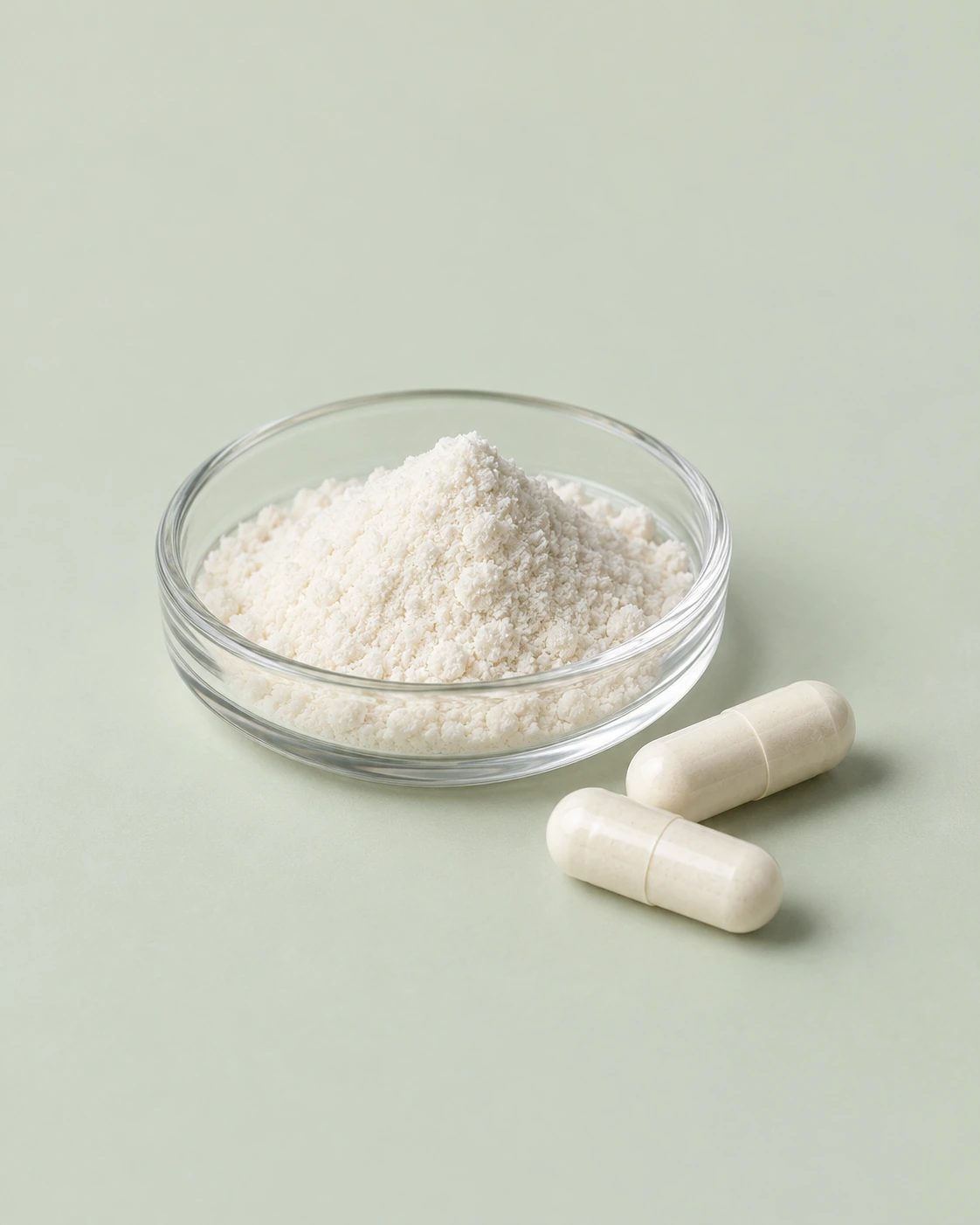
Why is inositol promising but still uncertain?
A 2018 review pooled ten randomized trials in women with PCOS. Ovulation was more frequent with inositol than placebo, but results varied substantially between trials. None evaluated live birth or miscarriage. 5
What about herbal fertility products?
Some studies examined an herb alongside a fertility medicine. That cannot establish that the herb works equally well on its own. 7
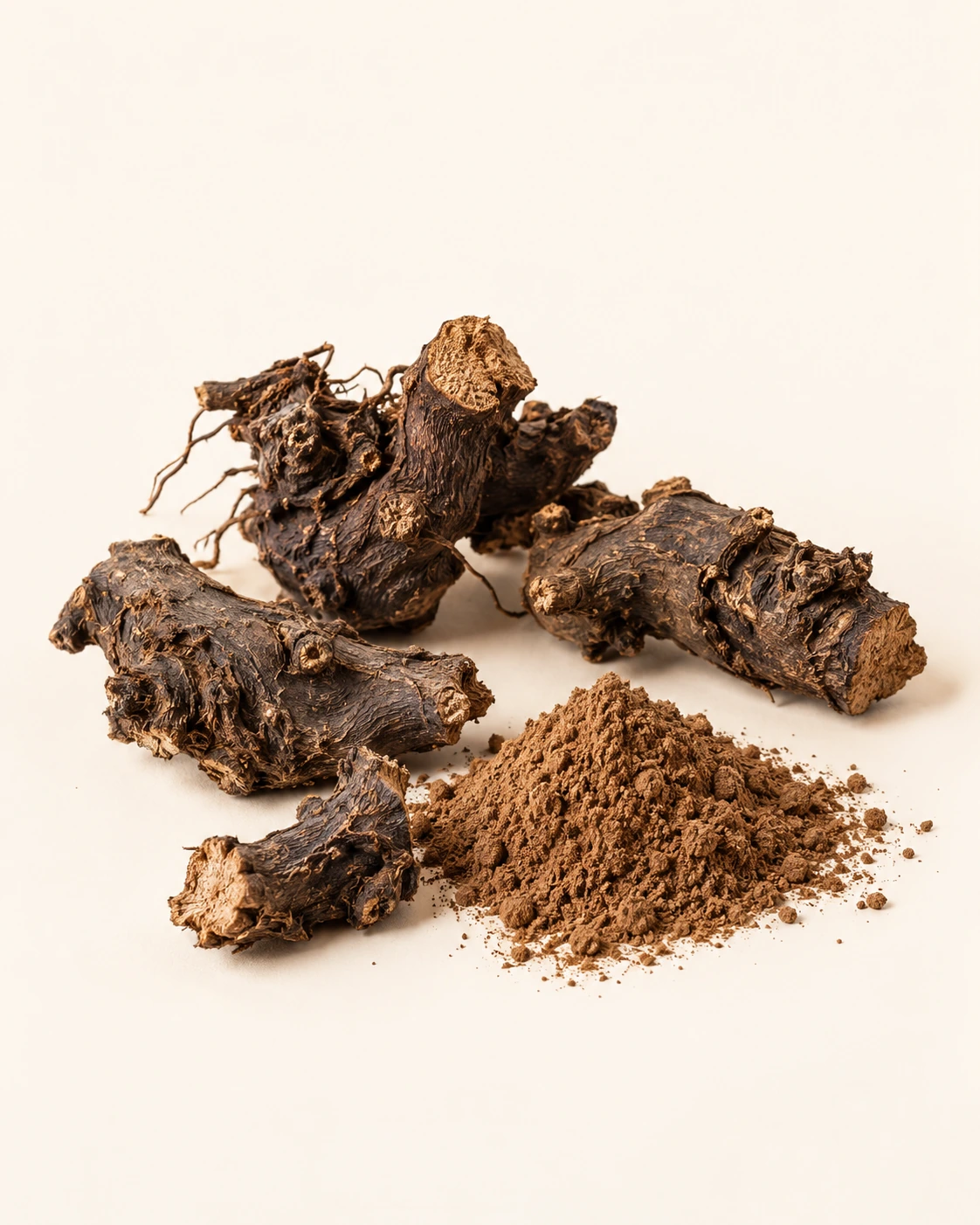 Black cohoshToo little evidence
A systematic review found reports of higher pregnancy rates when added to clomiphene, but substantial bias concerns and too little high-quality evidence for a reliable conclusion. 7
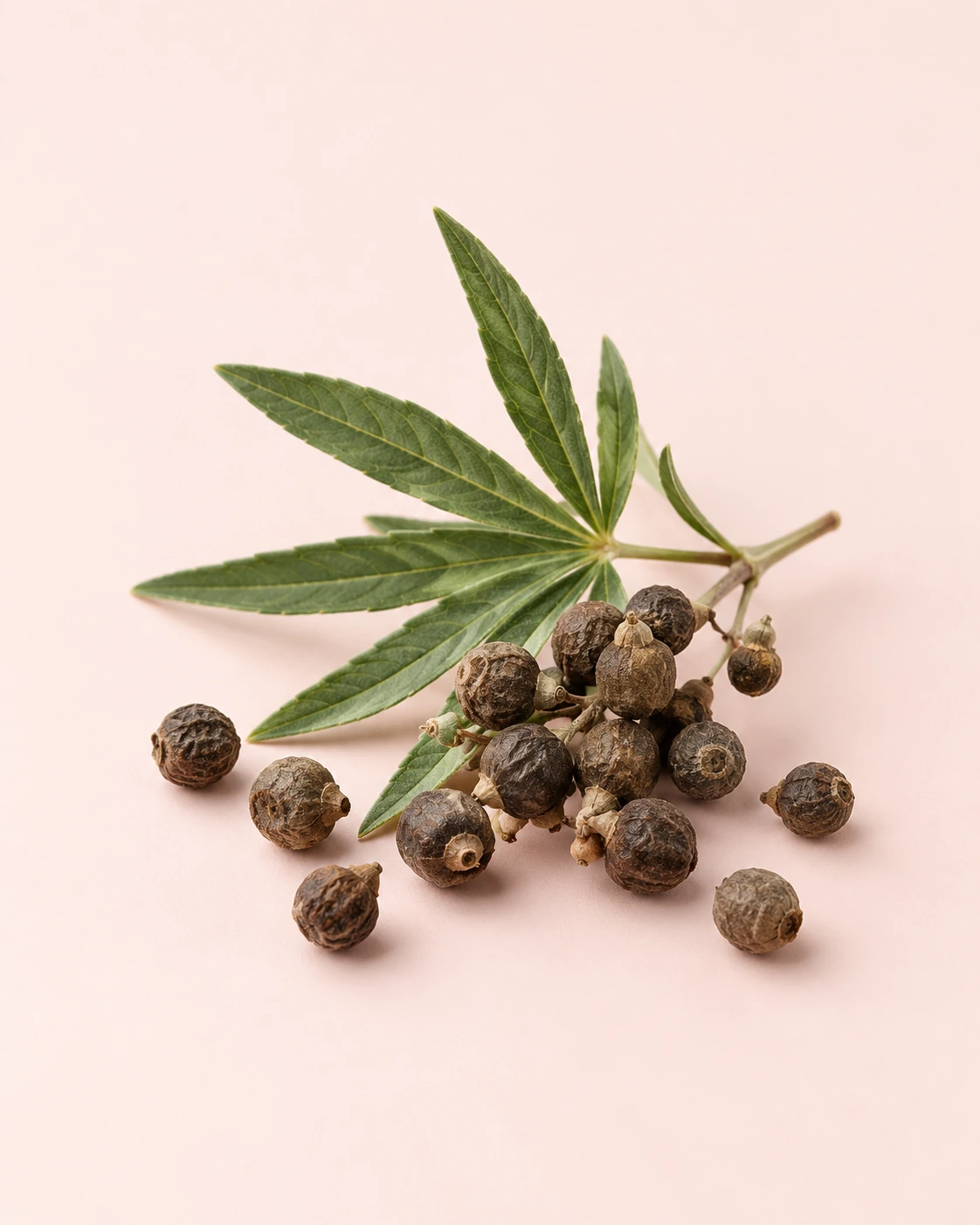 ChasteberryToo little evidence
NCCIH finds insufficient reliable evidence for infertility. Findings about premenstrual symptoms do not establish improved ovulation or pregnancy chances. 8
Trying to conceive changes the safety question
Chasteberry and black cohosh may be unsafe during pregnancy. Black cohosh products have also been linked to rare serious liver injury reports, although causation is uncertain. A fertility plan is a reason to discuss these products before use. 8 9
What matters more than choosing a blend?
Treatment depends on the cause. For infertility due to absent ovulation in PMOS, with no other infertility factors, the international guideline recommends letrozole as the first medicine option. This is clinician-managed treatment. 6
Questions people ask
Does a positive ovulation strip prove an egg was released?
No. It detects a hormone signal and is indirect evidence. 2
Does inositol increase live births?
The cited 2018 review included no live-birth data. The guideline still regards fertility use as experimental. 5 6
Which inositol ratio is best?
The guideline cannot recommend a specific formulation or combination. 6
Does PMOS mean pregnancy is impossible?
No. Treatment can make pregnancy possible despite disrupted ovarian function. 3
Is chasteberry a harmless fertility aid?
Reliable infertility evidence is lacking, and use during pregnancy may be unsafe. 8