
Barberry
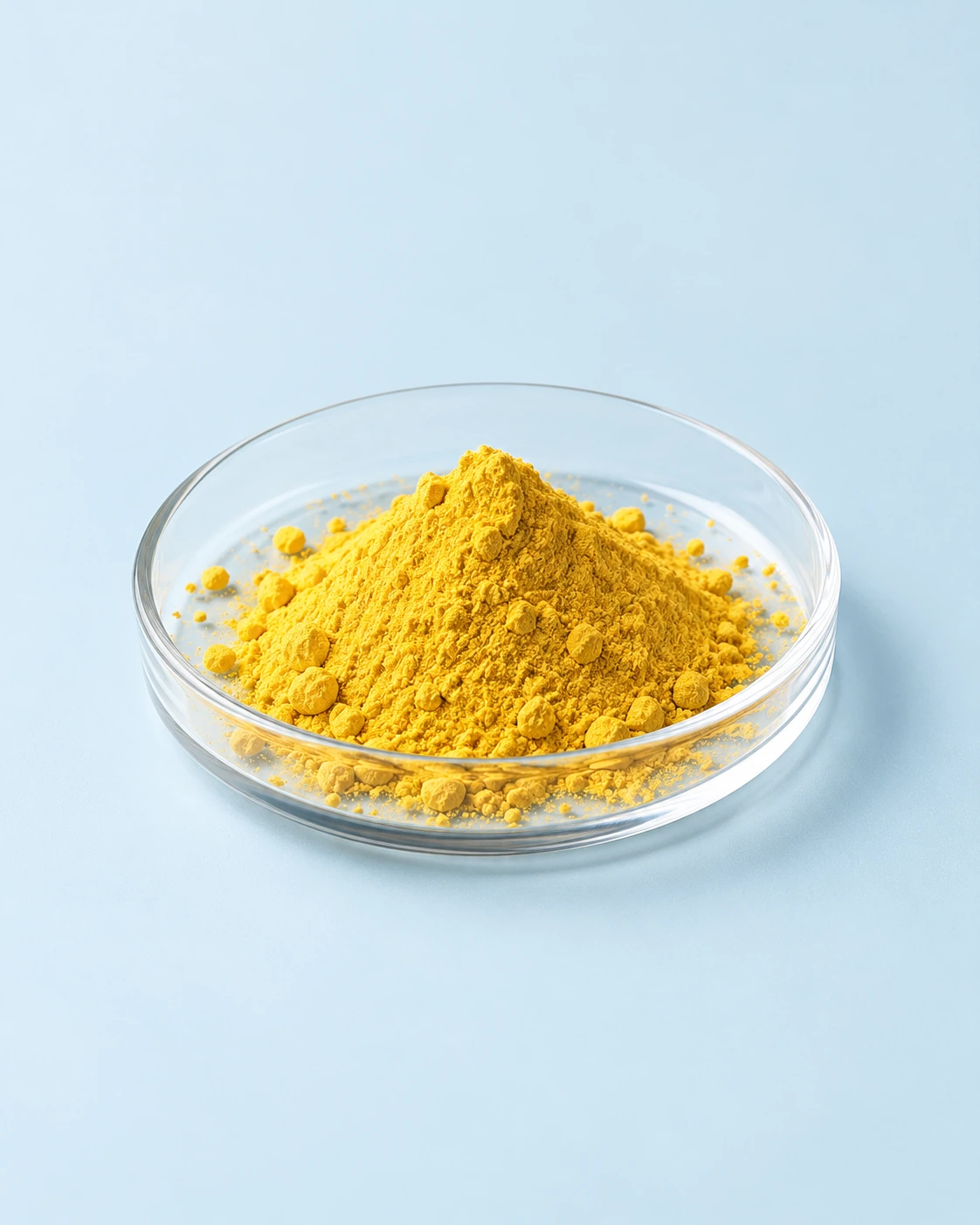
Barberry, Berberis vulgaris, is a thorny shrub with red berries. Its root and bark contain the yellow alkaloid berberine.
Also listed as Berberis vulgaris, Berberis jacquinii, Berberis sanguinea, Barberry Extract
What it is studied for
The strongest rated effects first. Bars show the size of the effect, the letter grades the evidence, and each rating lists the studies behind it.
Barberry is not a synonym for berberine
Barberry fruit is eaten as food, while roots and bark contain substantially more berberine, a biologically active plant compound. Verbraucherzentrale distinguishes the fruit from these other plant parts; the name of the plant alone does not describe the exposure. 1
Key studies
The most recent publications linked to Barberry's ratings.
Why people take it
SuppCo community snapshot, 2026-09-28. Reasons for use are not evidence that it works.
Questions people ask
Is barberry the same as berberine?
No. Barberry is the plant; berberine is one constituent, present in different amounts in different plant parts. 1
Did the trials improve HbA1c?
Neither the 2020 nor the 2025 pooled analysis found a statistically significant improvement in this longer-term glucose marker. 2 3
 Berberine