
Cellular health & aging
This page reviews cellular mechanisms, human supplement trials, and the distinction between laboratory changes and healthy aging.
What does healthy aging mean?
WHO frames healthy aging around maintaining the ability to function: mobility, decision-making, relationships, and participation. A chronic diagnosis does not rule it out when the condition is well controlled. 1
What is oxidative stress?
Cells produce reactive oxygen-containing substances during normal activity. Excess production can damage cells, while antioxidant enzymes and repair systems help regulate these processes. More supplemental antioxidants are not necessarily beneficial. 2
When is medical care relevant?
Antioxidants should not replace medical assessment or treatment. People receiving cancer treatment need to discuss supplements with their treatment team because interactions may interfere with therapy. 2
Nutrients with the strongest ratings
Sorted by the largest rated effect. Bars show effect size, the letter is the evidence grade.
All 70 ratingsEvery nutrient rated for cellular health & aging, with search

What have human trials shown?
This review focuses on urolithin A and antioxidant vitamins; it does not evaluate every ingredient listed for this topic.
 Urolithin AToo little evidence
A 2024 review included five studies in 250 healthy people, lasting 28 days to four months. Some muscle and inflammatory measures improved, but physical function and cardiovascular outcomes did not. These short trials do not establish longer human life. 3
 Vitamin E
What matters beyond supplements?
WHO emphasizes both personal capacity and supportive surroundings, including access to care and opportunities for social participation. The relevant goal is preserving meaningful activities, rather than assuming that a change in one cellular marker represents better aging. 1 3
Questions people ask
Does urolithin A extend human life?
The reviewed trials were short and did not establish a lifespan benefit. 3
Are cellular changes the same as better function?
No. The urolithin A review found changes in some biological measures without improvement in physical function. 3
Are high-dose antioxidants harmless?
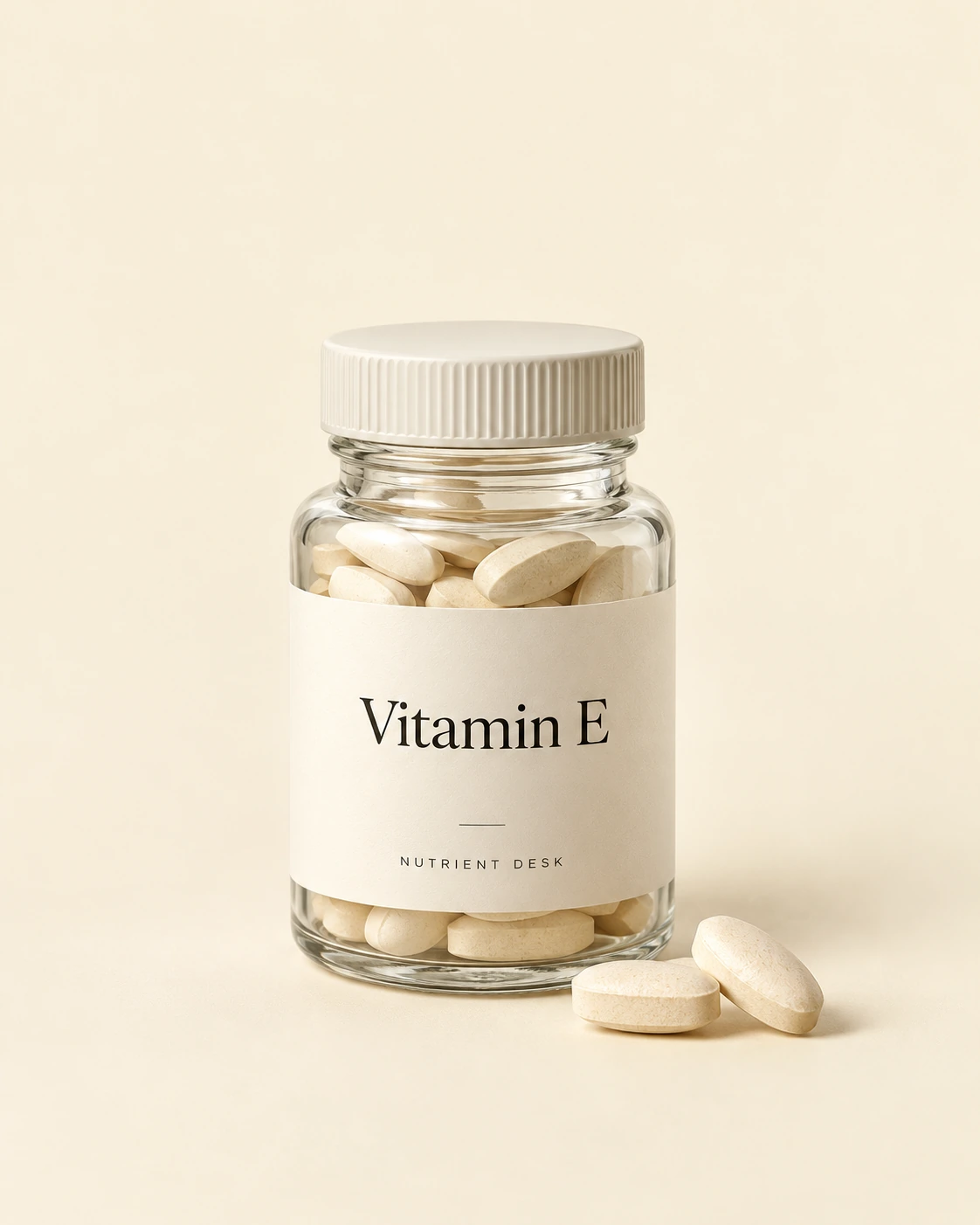
No. High-dose vitamin E can increase bleeding risk, particularly with medicines affecting clotting. 2
Is healthy aging possible with chronic illness?
Yes. WHO includes people whose health conditions are well controlled and allow meaningful daily activities. 1
Should cancer treatment patients discuss antioxidants?
Yes. NCCIH warns that supplements can interact unfavorably with cancer treatments. 2