
Grape
Grapes are the fruit of the grapevine, Vitis vinifera. Supplements use extracts of the fruit, skin, seeds or leaves.
Also listed as Grape Extract, Grape Fruit, Grape Fruit Extract, Grape fruit skin
What it is studied for
The strongest rated effects first. Bars show the size of the effect, the letter grades the evidence, and each rating lists the studies behind it.
Are studies testing the grapes in my fruit bowl?
Not always. A cholesterol review combined studies of whole-grape powder or pomace, juice, seed extract and skin extract. That range matters when deciding how closely a study resembles eating fresh grapes. 1
Key studies
The most recent publications linked to Grape's ratings.
Why people take it
SuppCo community snapshot, 2026-09-28. Reasons for use are not evidence that it works.
Questions people ask
Is grape juice interchangeable with whole grapes in research?
No single result covers every preparation: the cholesterol review included juice, powders, seed extracts and skin extract. 1
How much fiber is in grapes?
The Canadian table lists 1.2 g per 100 g of fresh grapes. 2
Can toddlers eat whole grapes?
The NHS recommends cutting grapes into quarters and supervising young children while they eat. 3
Related nutrients
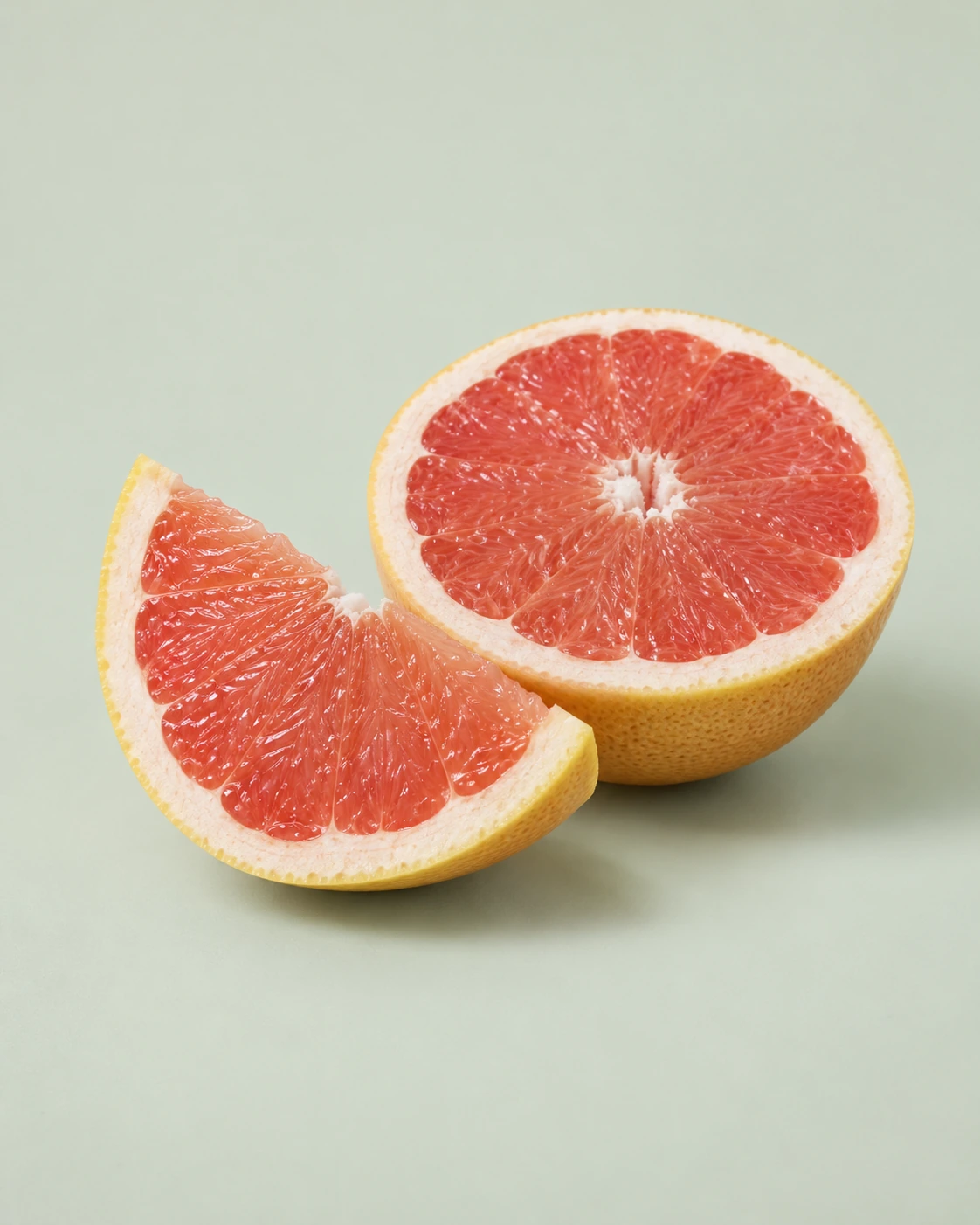 Grapefruit
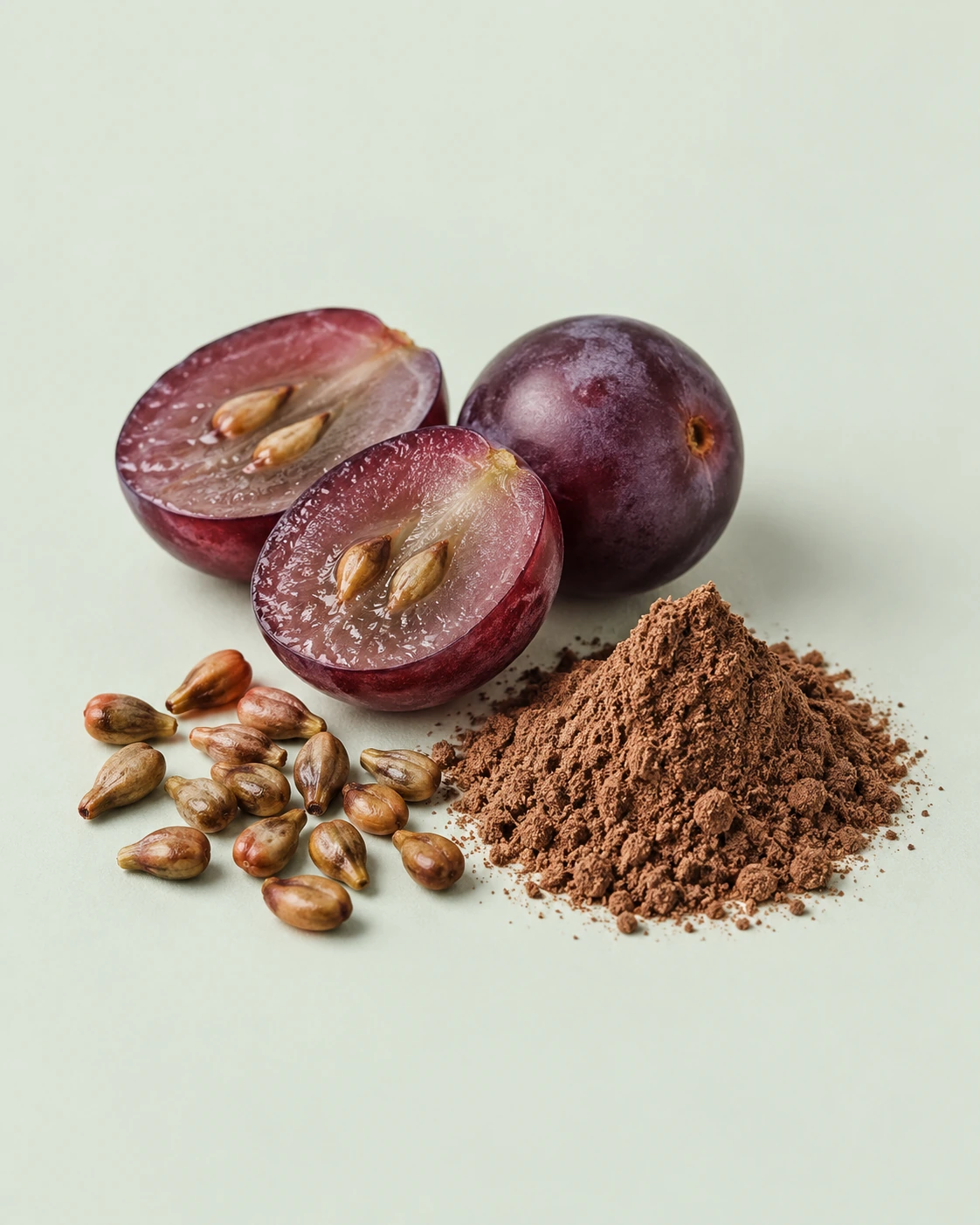 Grape Seed Extract
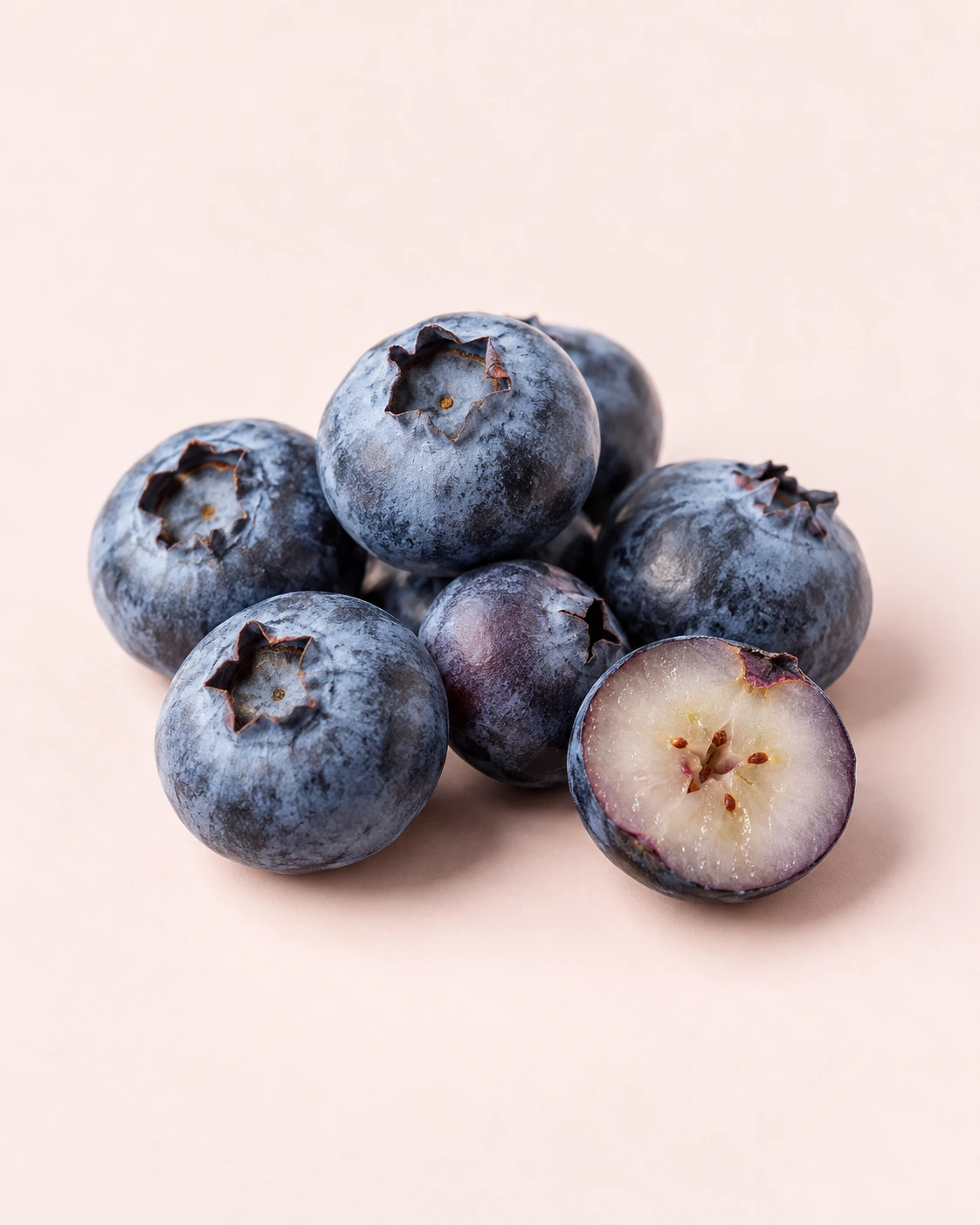 Blueberry
Sources
- Impact of Grape Products on Lipid Profile Nutrients, 2020
- Nutrient Value of Some Common Foods Health Canada