
Blood pressure
Blood pressure measurements, established treatment and the limited role of supplements.
What do the two numbers mean?
Systolic pressure is measured during heart contraction; diastolic pressure is measured between beats. High blood pressure often has no symptoms. 1
Why does blood pressure rise?
Age and family history contribute, alongside salt intake, inactivity and poor sleep. Kidney disease, sleep apnea and thyroid problems can also play a role. Some medicines, including decongestants and anti-inflammatory painkillers, can raise blood pressure: a supplement search alone can miss these causes. 2
Why do repeated measurements matter?
Blood pressure changes during the day. DGE recommends measurements under comparable, quiet conditions. Persistently elevated pressure may require medication as well as lifestyle changes. 1 3
When is a reading urgent?
NHLBI advises immediate contact with a healthcare provider for systolic pressure above 180 mm Hg or diastolic pressure above 120 mm Hg. 1
Nutrients with the strongest ratings
Sorted by the largest rated effect. Bars show effect size, the letter is the evidence grade.
All 89 ratingsEvery nutrient rated for blood pressure, with search
Can supplements lower blood pressure?
NCCIH finds no supplement with effects comparable to hypertension medicines. 4
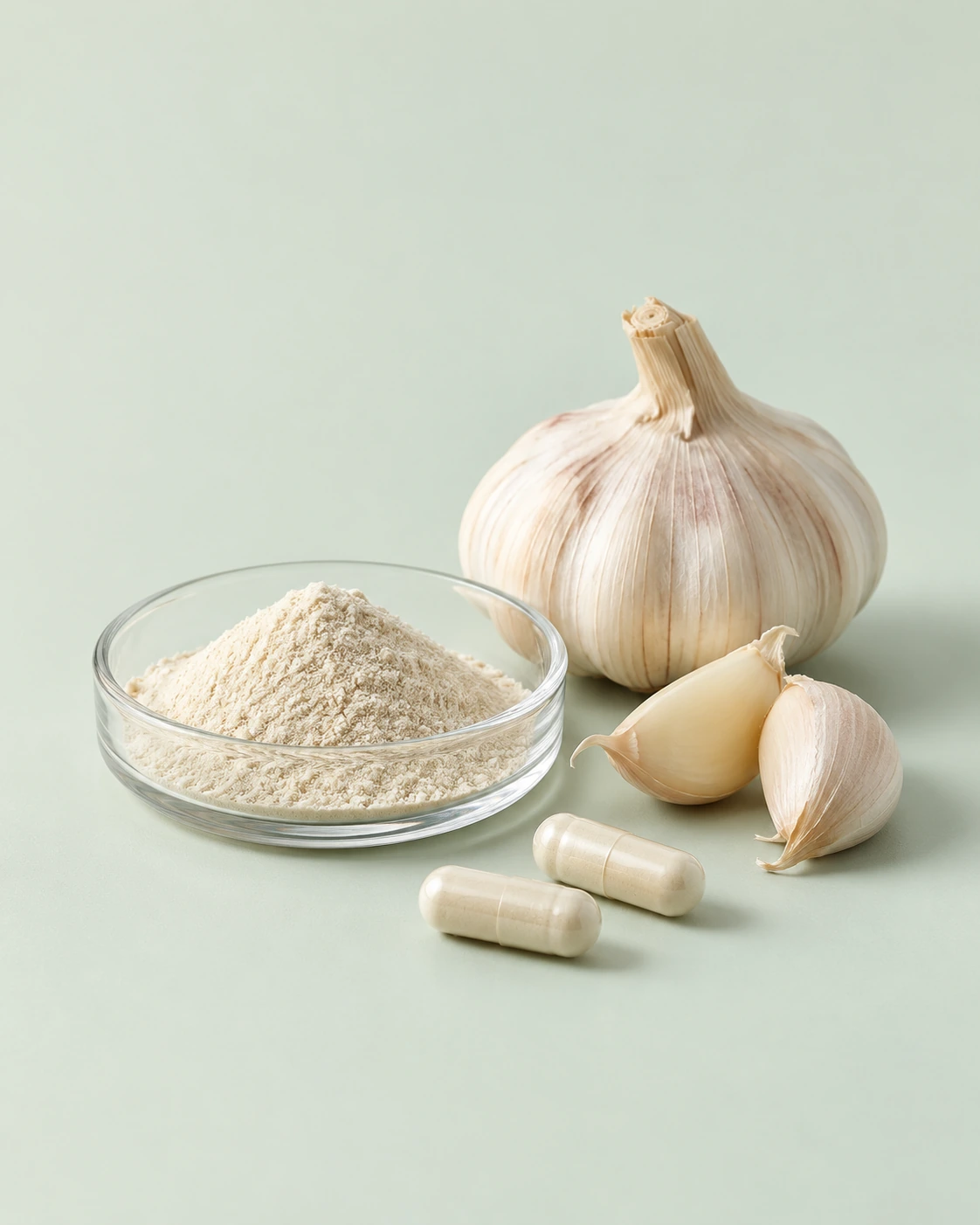 GarlicToo little evidence
Small, preliminary or low-quality studies suggest reductions in people with hypertension. The evidence is limited. 4
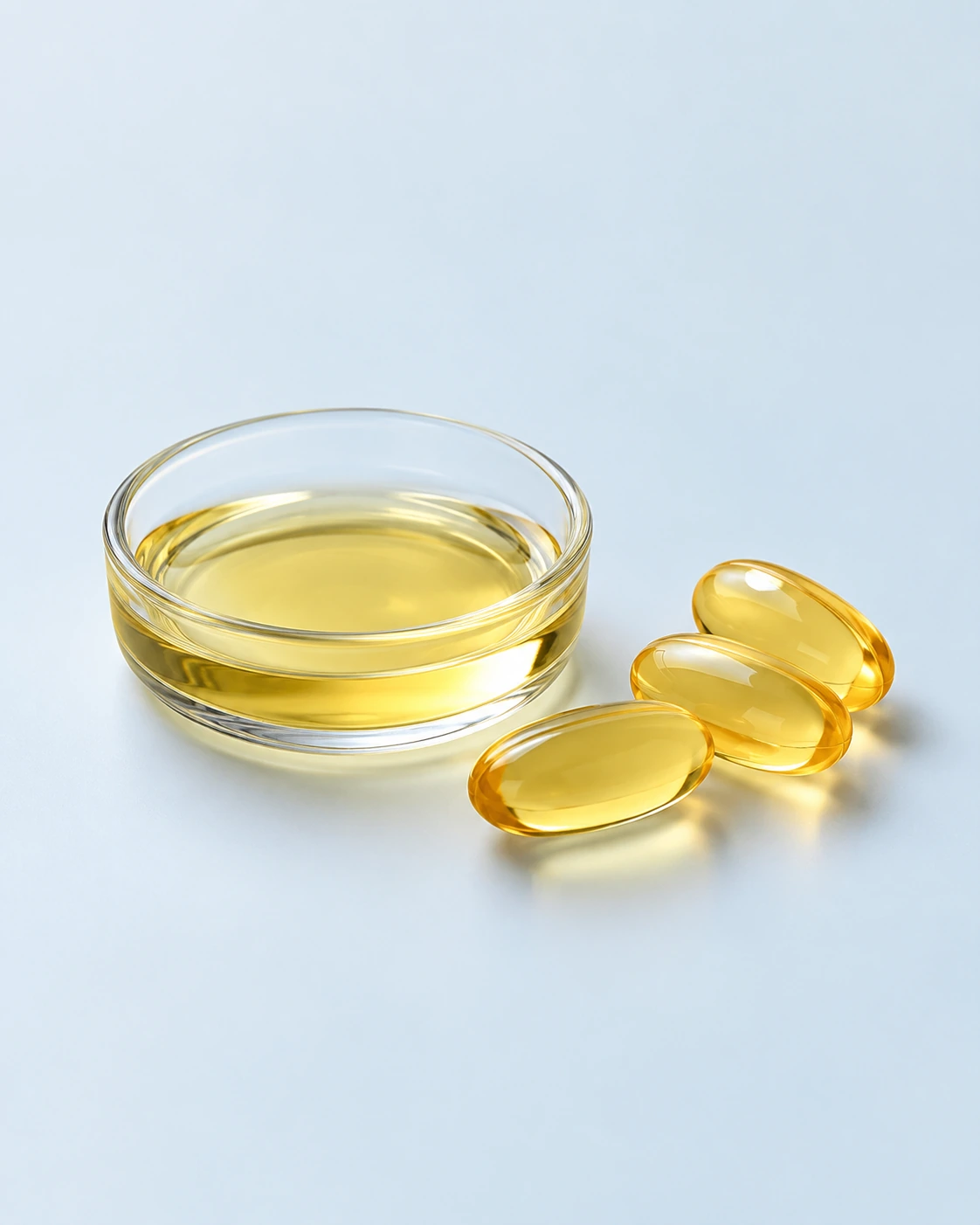 Fish oilMixed
Randomized trials are mixed, although the overall evidence suggests some blood-pressure benefit. 4
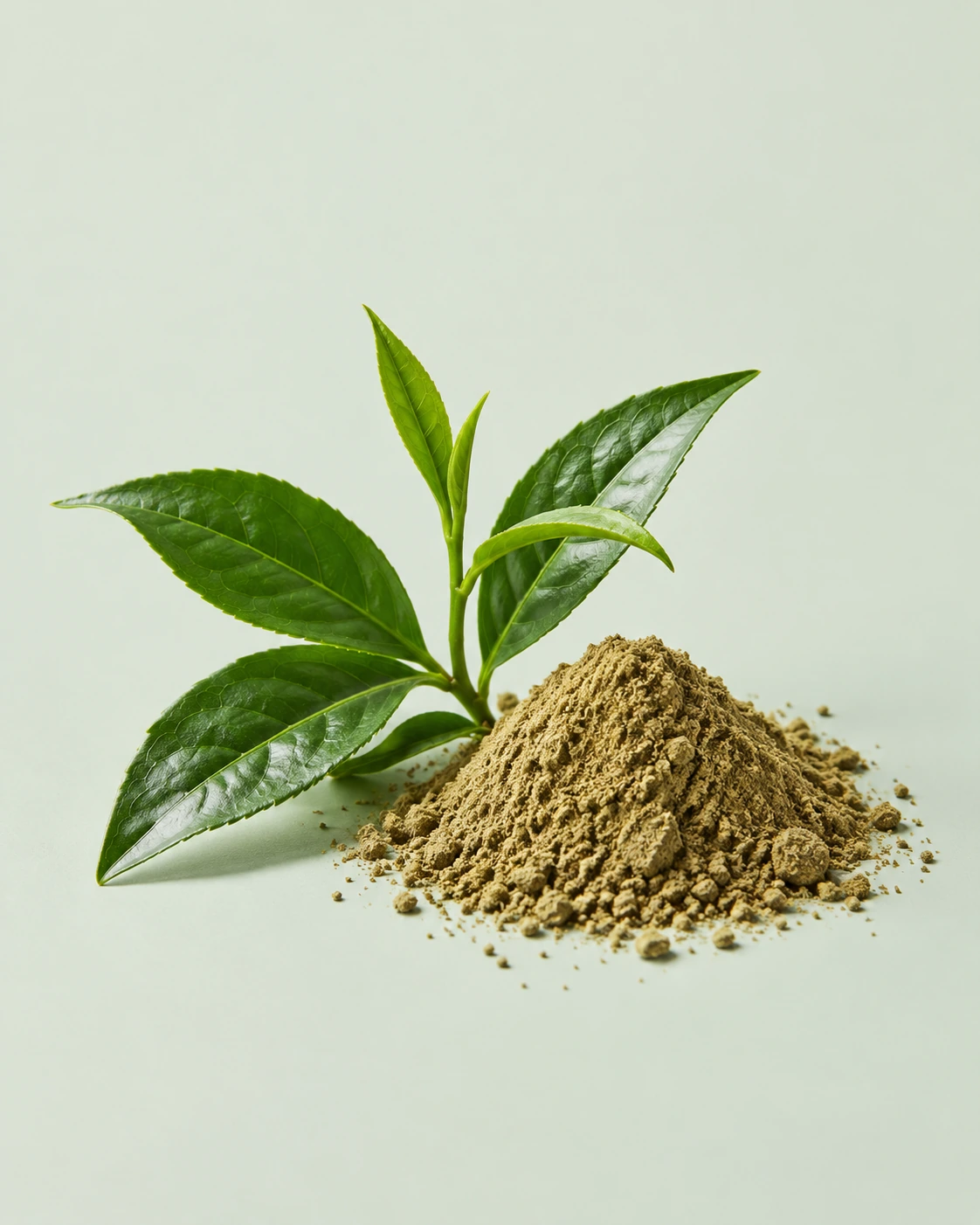 Green tea extractToo little evidence
Research suggests short-term reductions; this is not evidence of equivalence to medication. 4
What matters more than supplements?
DGE emphasizes physical activity, a balanced diet, weight management when appropriate and less salt. Medication is added when lifestyle measures are insufficient or risk is high. 3
What does potassium research show?
A 2020 analysis combined 32 randomized trials lasting at least four weeks, mostly in adults with hypertension. The response was not a simple “more is better” relationship: benefits were greater in people with hypertension and higher sodium intake, while very high intake warranted caution. 5
Why potassium needs a medication check
Kidney disease, ACE inhibitors, angiotensin receptor blockers and potassium-sparing diuretics can allow potassium to accumulate in the blood. Supplements and potassium-based salt substitutes therefore need individual assessment in people at risk; even ordinary food amounts can be problematic in some of these circumstances. 6
Questions people ask
Can I feel high blood pressure?
It often causes no symptoms, so measurement matters. 1
Can supplements replace treatment?
Their effects have not matched those of hypertension medicines. 4
Does salt matter?
DGE recommends reducing salt as part of treatment. 3
Should measurements be comparable?
DGE recommends quiet, seated measurements under standardized conditions. 3
Is potassium-enriched salt suitable for everyone?
No. Kidney disease and certain blood-pressure medicines can increase the risk of excessive blood potassium. 6
Sources
- Bluthochdruck DGE