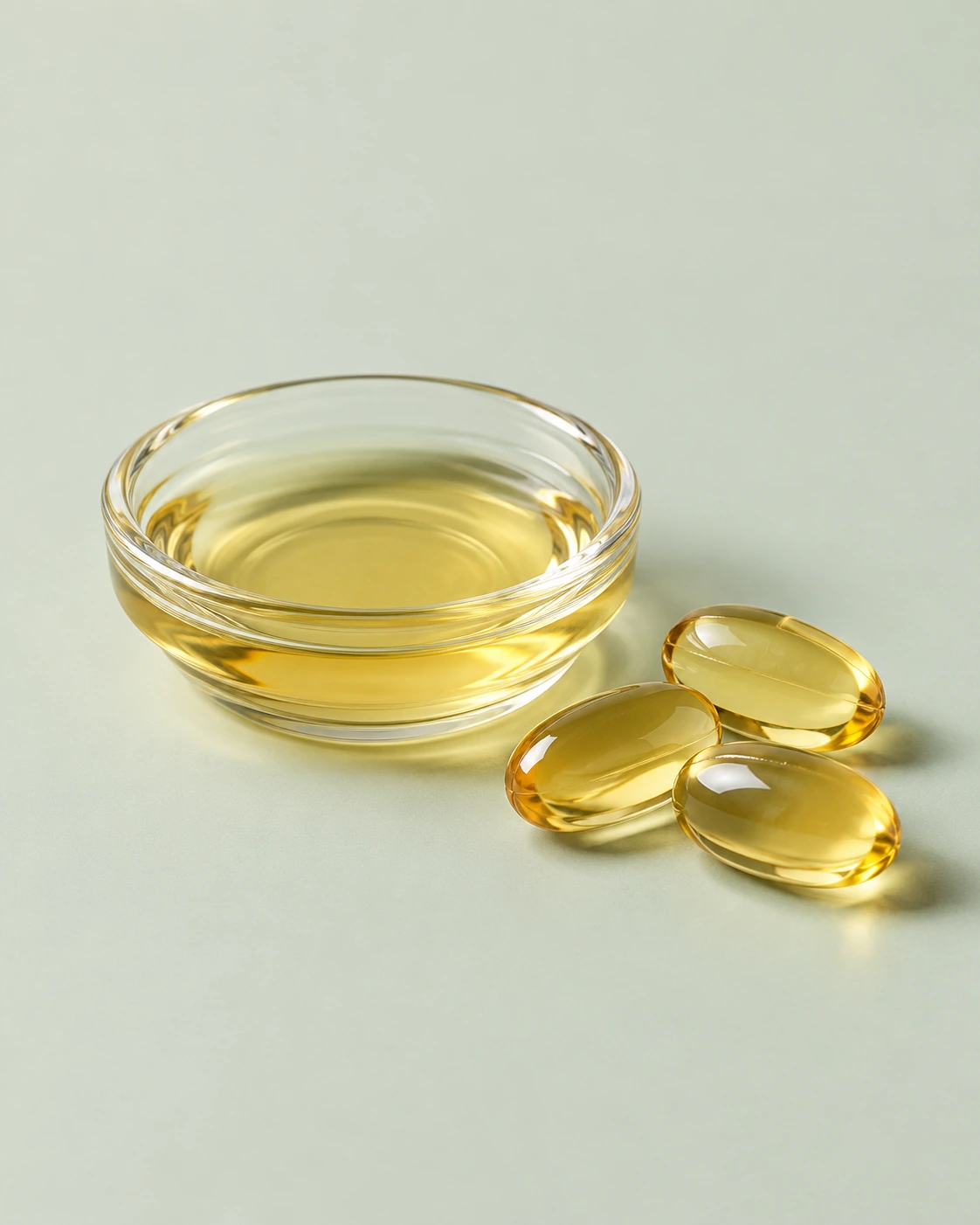
Eicosapentaenoic Acid
Eicosapentaenoic acid (EPA) is a long-chain omega-3 fatty acid found mainly in fatty fish. The body uses it to make signaling molecules involved in inflammation.
Also listed as EPA, EPA (Eicosapentaenoic Acid)
What it is studied for
The strongest rated effects first. Bars show the size of the effect, the letter grades the evidence, and each rating lists the studies behind it.
What is EPA?
Eicosapentaenoic acid (EPA) is an omega-3 fatty acid and a precursor of signaling molecules involved in inflammation. Fatty fish supplies EPA. 1
Why distinguish supplements from medicines?
In the EU, icosapent ethyl is a prescription treatment for selected high-risk patients taking statins with raised triglycerides. 2
Key studies
The most recent publications linked to Eicosapentaenoic Acid's ratings.
Why people take it
SuppCo community snapshot, 2026-09-28. Reasons for use are not evidence that it works.
Questions people ask
Are triglycerides the same outcome as cholesterol?
The reviewed trials reported them separately: EPA lowered triglycerides while total cholesterol was largely unchanged. 3
Does the blood-pressure result prove fewer heart attacks?
No. That meta-analysis assessed blood pressure and inflammatory markers, not clinical event prevention. 4
Can EPA replace established depression treatment?
The Cochrane review found insufficient high-quality evidence to determine omega-3s’ effects as treatment for major depression. 5
Is the European reference for EPA alone?
No. The adult 250 mg/day reference combines EPA and DHA. 6
Who should discuss fish-oil capsules with a clinician?
The BfR particularly highlights people with heart disease or cardiovascular risk factors. 7
Related nutrients
 Docosahexaenoic Acid
 Docosapentaenoic acid
Sources
- Vazkepa: European public assessment report European Medicines Agency
- Omega-3 fatty acids for depression in adults Cochrane, 2021
- Dietary recommendations for fat intake European Commission Knowledge4Policy