
Elderberry
Elderberry is the dark purple fruit of the black elder, Sambucus nigra. It is rich in anthocyanins and is mostly studied as an extract for colds and flu.
Also listed as Black Elderberry, Black Elderberry Extract, Black Elderberry Powder, Sambucus nigra
What it is studied for
The strongest rated effects first. Bars show the size of the effect, the letter grades the evidence, and each rating lists the studies behind it.
What is being studied?
Elderberry is the fruit of Sambucus nigra. Most clinical research has tested extracts, rather than the berries themselves. Anthocyanins and other plant compounds provide possible antiviral and immune-related mechanisms; those hypotheses do not establish fewer infections in people. 1
Why people take it
SuppCo community snapshot, 2026-09-28. Reasons for use are not evidence that it works.
Questions people ask
Can elderberry reliably prevent colds?
The systematic review did not establish a clear reduction in the risk of catching a cold. 2
Did the later flu trial find faster recovery?
No. The 87-person trial found no benefit for illness duration or severity. 3
Can I eat raw elderberries for the same effect?
Raw or unripe berries pose a poisoning risk; cooking destroys the cyanide-producing toxin. 4
Is elderberry a COVID-19 treatment?
NCCIH reports no good evidence supporting its use for COVID-19. 4
Related nutrients
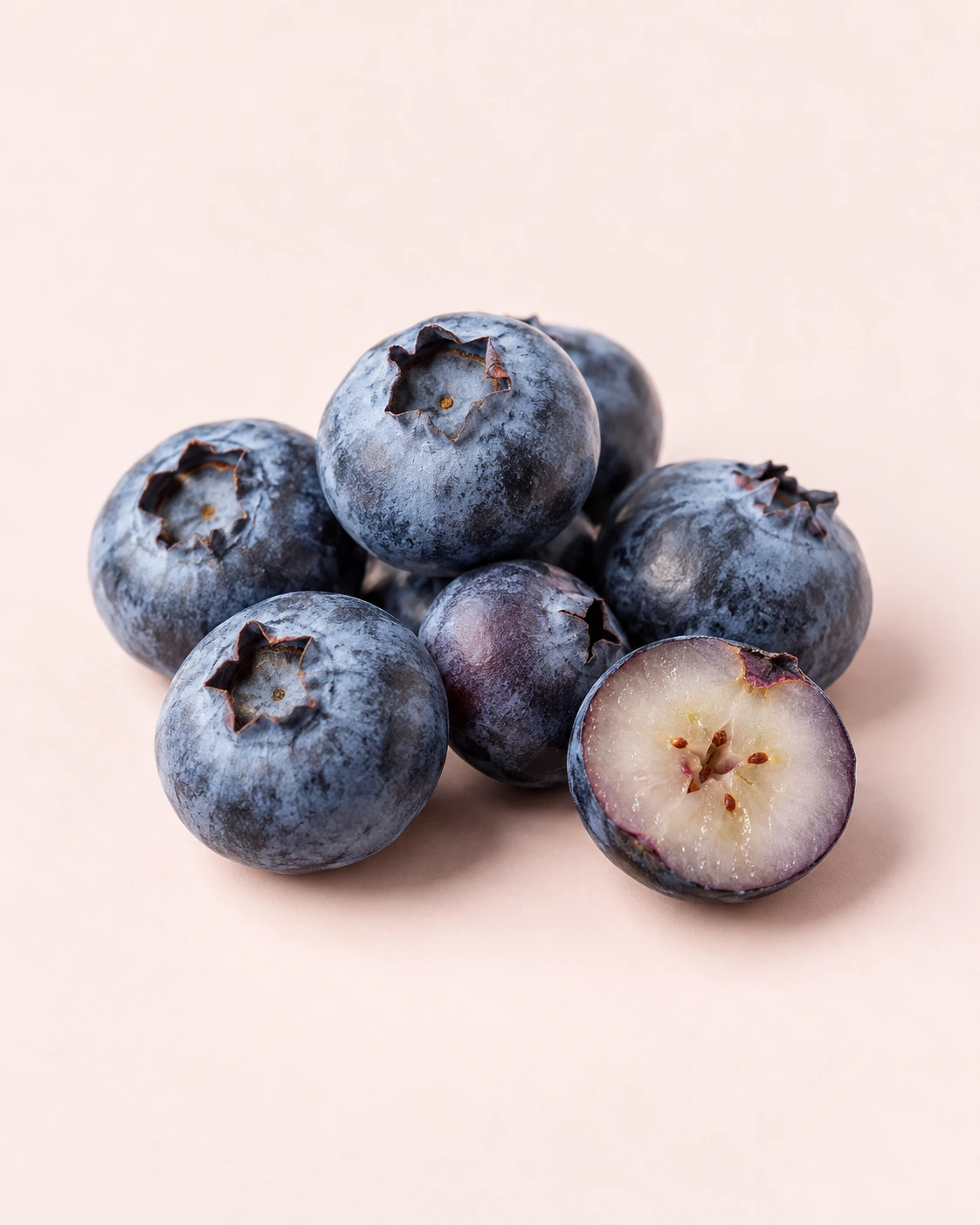 Blueberry
Sources
- Dietary Supplements for Immune Function and Infectious Diseases NIH Office of Dietary Supplements
- Elderberry for prevention and treatment of viral respiratory illnesses: a systematic review BMC Complementary Medicine and Therapies, 2021
- Elderberry Extract Outpatient Influenza Treatment for Emergency Room Patients Ages 5 and Above: a Randomized, Double-Blind, Placebo-Controlled Trial Journal of General Internal Medicine, 2020
- Elderberry NCCIH