
Seasonal Immunity
Can a supplement make cold season easier? This page looks at catching fewer colds, recovering sooner, and knowing when symptoms need medical attention.
What does seasonal immunity mean here?
This page uses seasonal immunity to discuss ordinary colds. These viral infections commonly cause a runny nose, sore throat and cough; they usually resolve within one to two weeks. 1
Prevention and recovery are different questions. Echinacea research considers both the chance of catching a cold and how long symptoms last, and the answers are not interchangeable. 2
A cold, or something that needs attention?
Cold symptoms generally build gradually, while flu tends to begin faster and feel more severe. Shortness of breath, chest pain, worsening symptoms or a high temperature lasting more than three days warrant medical advice. 3
The NHS also recommends advice when symptoms have not improved after ten days, or earlier for people with weakened immune systems or long-term conditions. 3
Nutrients with the strongest ratings
Sorted by the largest rated effect. Bars show effect size, the letter is the evidence grade.
What do the herbal studies actually show?
The useful question is whether an ingredient reduces infections or makes an illness shorter. For the two herbs reviewed here, the evidence offers possible benefits with important limits. 2 4
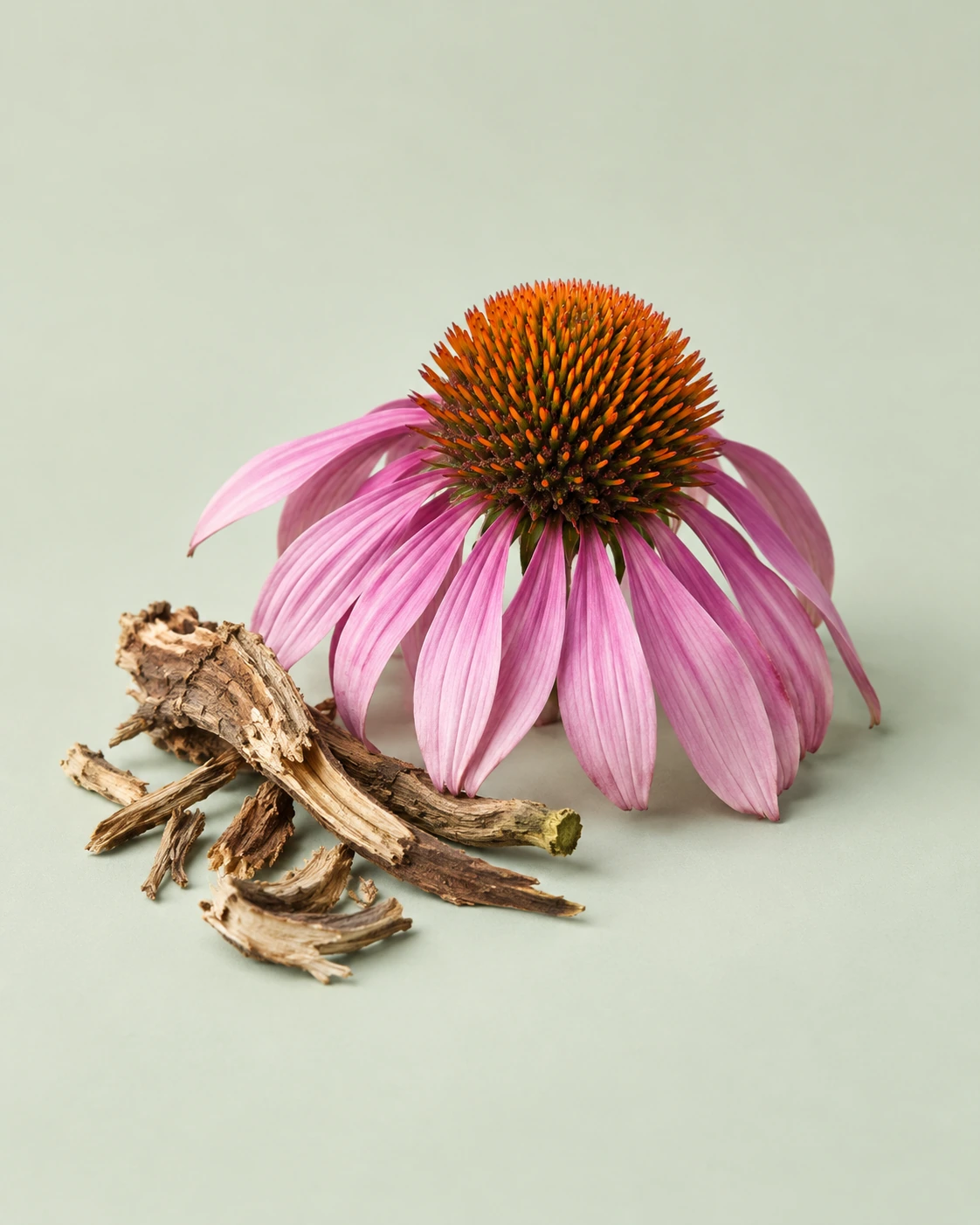 EchinaceaMixed
NCCIH concludes that echinacea may slightly reduce the chance of catching a cold. Whether it shortens an existing cold remains unclear, so prevention findings should not become a promise of faster recovery. 2
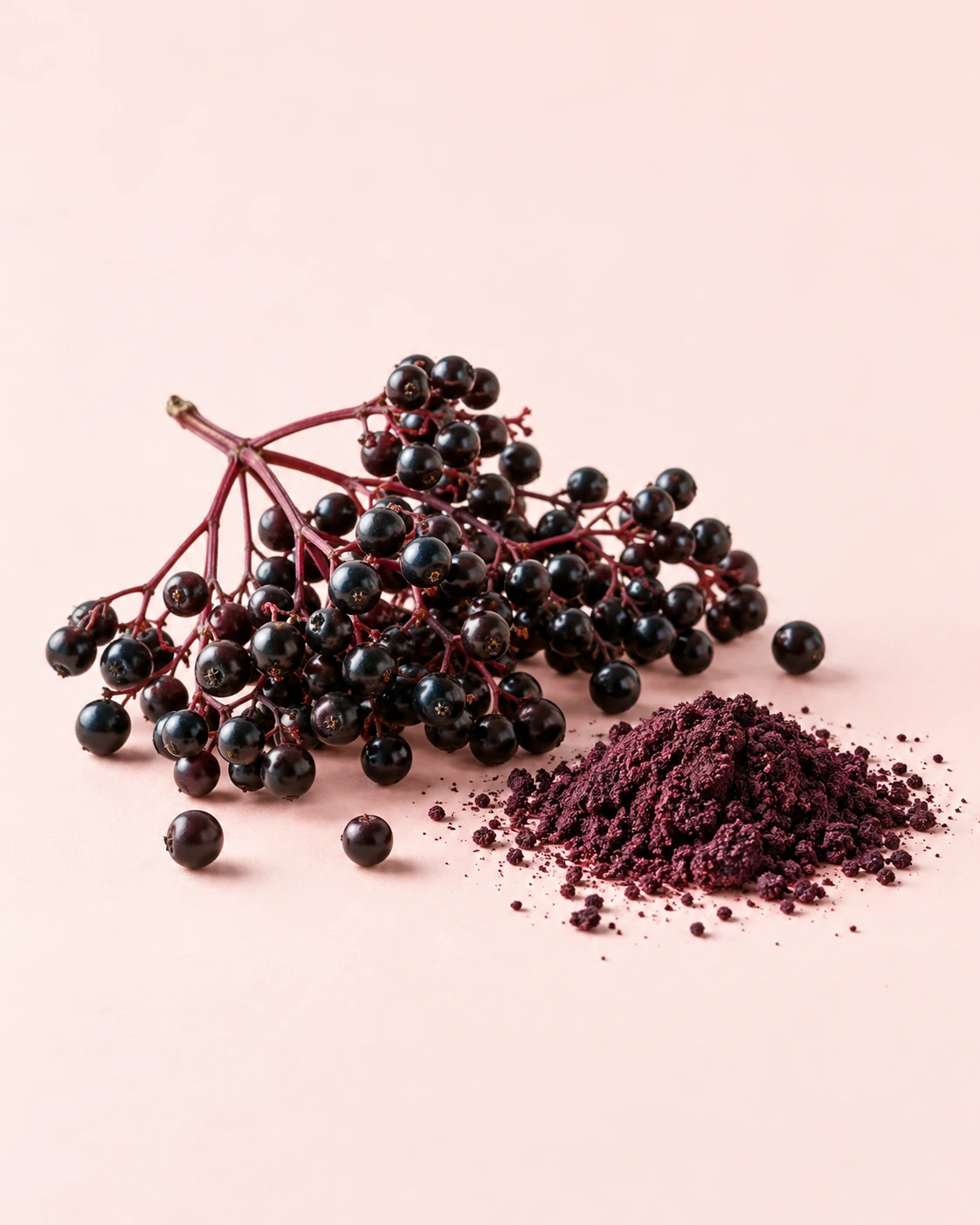 ElderberryToo little evidence
Preliminary studies suggest relief of cold, flu or other upper respiratory symptoms. This early evidence is not enough to promise reliable protection through cold season. 4
What helps beyond the supplement shelf?
Handwashing and avoiding close contact with people who have a cold help limit transmission. Those measures address how viruses spread, rather than relying on a supplement to change the course of exposure. 1
Once a cold arrives, rest, fluids and ordinary healthy food are practical priorities. Antibiotics do not treat the viruses that cause colds. 3
Herbal does not mean risk-free
Echinacea can cause digestive symptoms and allergic reactions, occasionally severe ones. Possible medicine interactions, including with immunosuppressants, deserve attention; pregnancy and use in children call for a discussion with a healthcare professional. 2
Raw or unripe elderberries, leaves and stems contain substances that can release cyanide and cause nausea, vomiting or severe diarrhea. Cooking removes this toxin, but an elderberry product can still interact with medicines. 4
What is outside this review?
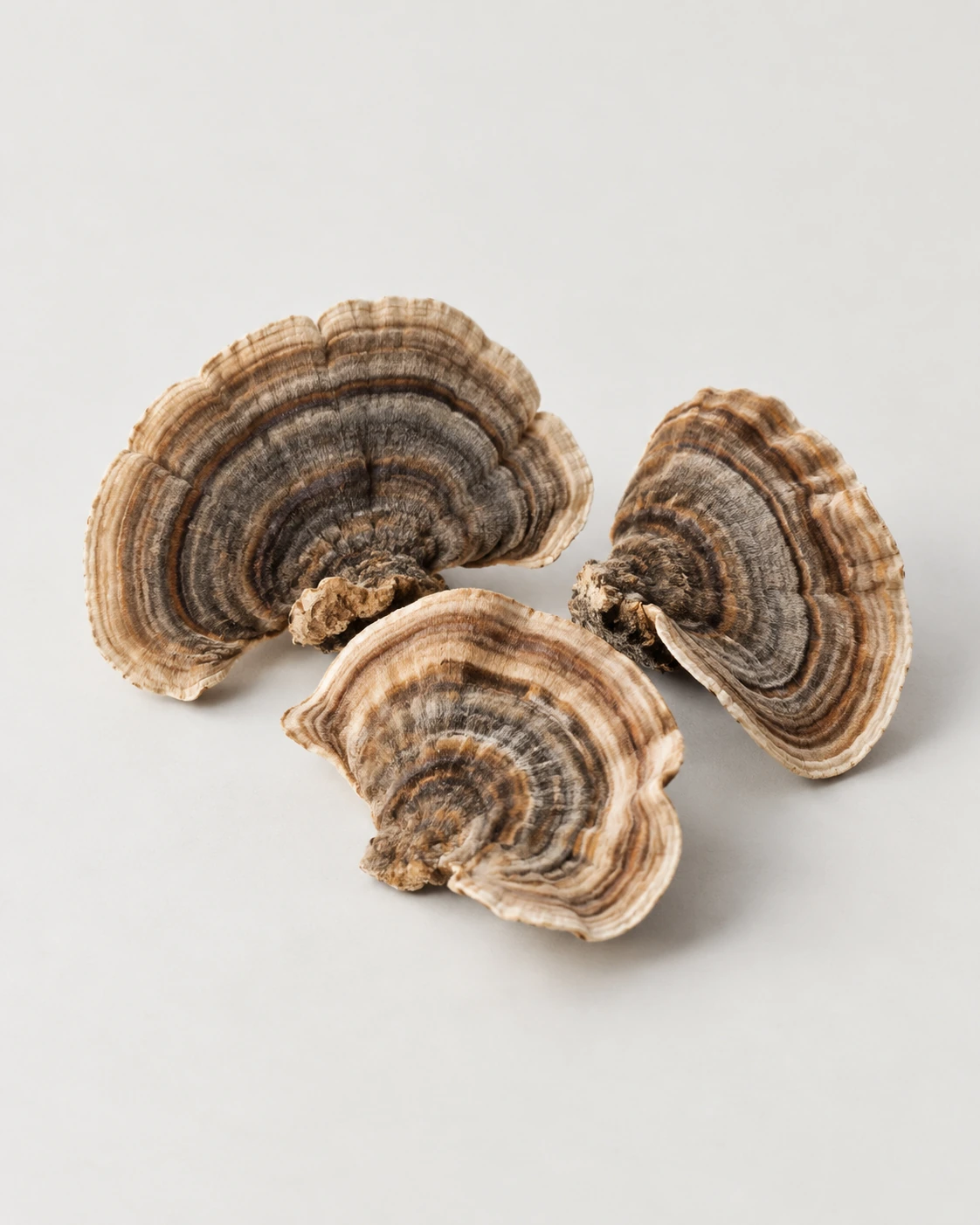
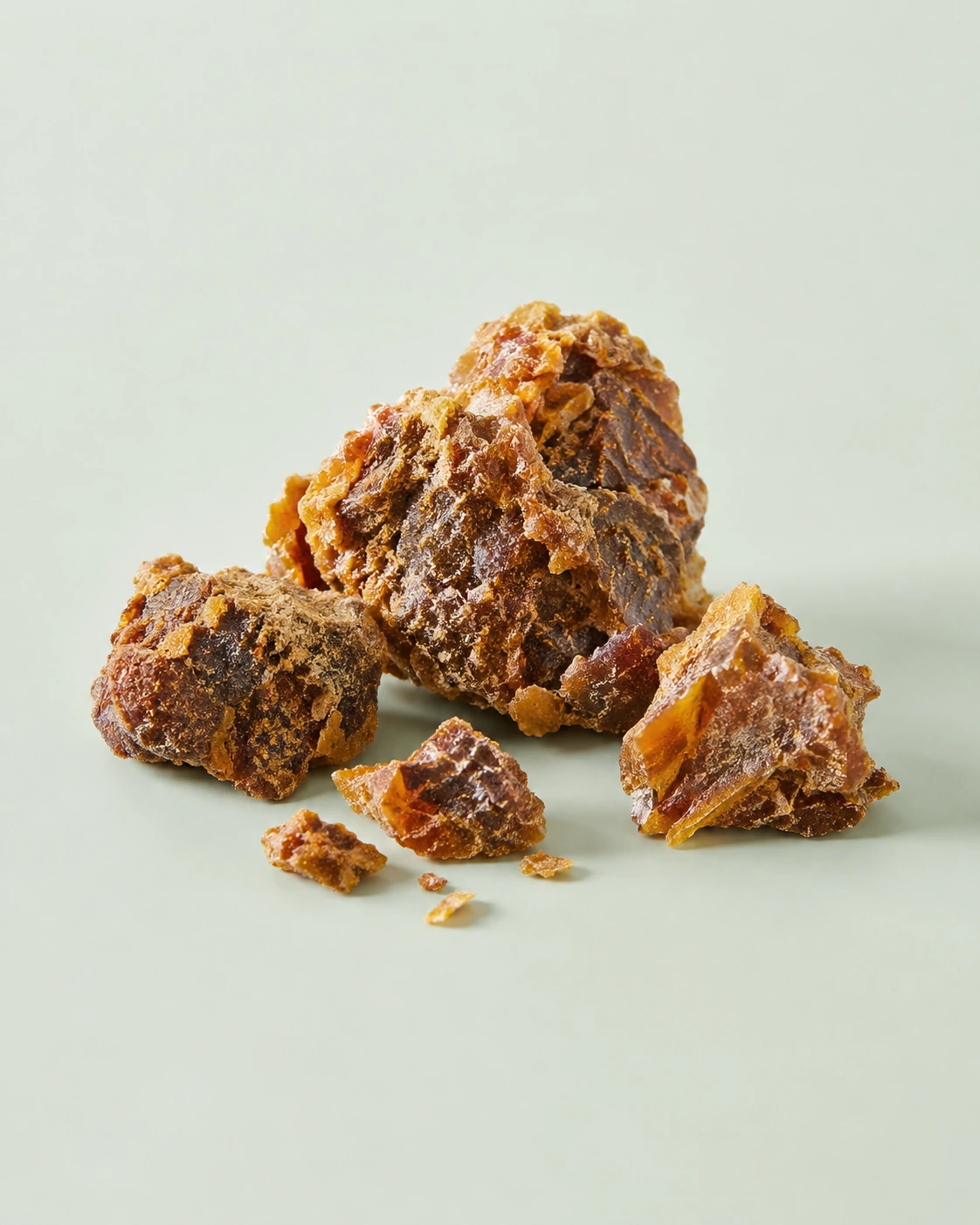
This page does not assess propolis, immunoglobulin G, Bifidobacterium lactis, thymosin alpha-1 or turkey tail mushroom.
Questions people ask
How do ordinary colds spread?
Cold viruses pass between people. Handwashing and avoiding close contact with someone who is ill help reduce transmission. 1
Is echinacea better for prevention or treatment?
The more encouraging finding is a small possible reduction in the chance of catching a cold. Its effect on the duration of an existing cold remains unclear. 2
Is homemade raw elderberry juice safe?
Raw and unripe berries can contain toxic substances, as can the leaves and stems. NCCIH distinguishes these from cooked preparations. 4
When should a lingering cold be checked?
The NHS recommends medical advice if symptoms have not improved after ten days, or if a cough lasts more than three weeks. Breathing difficulties or chest pain also need assessment. 3
Sources
- Erkältung IQWiG
- Echinacea NCCIH
- Common cold NHS
- Elderberry NCCIH