
Hibiscus
Hibiscus teas and supplements usually use the red calyces of Hibiscus sabdariffa, a tropical plant also called roselle. It is mostly studied for blood pressure.
Also listed as Hibiscus Extract
What it is studied for
The strongest rated effects first. Bars show the size of the effect, the letter grades the evidence, and each rating lists the studies behind it.
Can a cup of hibiscus tea affect blood pressure?
Hibiscus sabdariffa is an ingredient in herbal teas and has been tested as both a drink and an extract. The useful question is whether the specific preparation lowers blood pressure in people, not simply whether the plant has antioxidant activity in a laboratory. 1 2
Key studies
The most recent publications linked to Hibiscus's ratings.
Why people take it
SuppCo community snapshot, 2026-09-28. Reasons for use are not evidence that it works.
Questions people ask
Must it be an extract rather than tea?
No. A placebo-controlled trial studied brewed tea and found a systolic-pressure benefit. 1
Why do reviews reach different conclusions?
They included different populations, comparators and studies; Cochrane’s narrower question yielded only one eligible trial. 2 3
Can it replace my blood-pressure medicine?
The evidence does not justify replacing prescribed treatment. NCCIH recommends following the clinician’s treatment plan. 4
Related nutrients
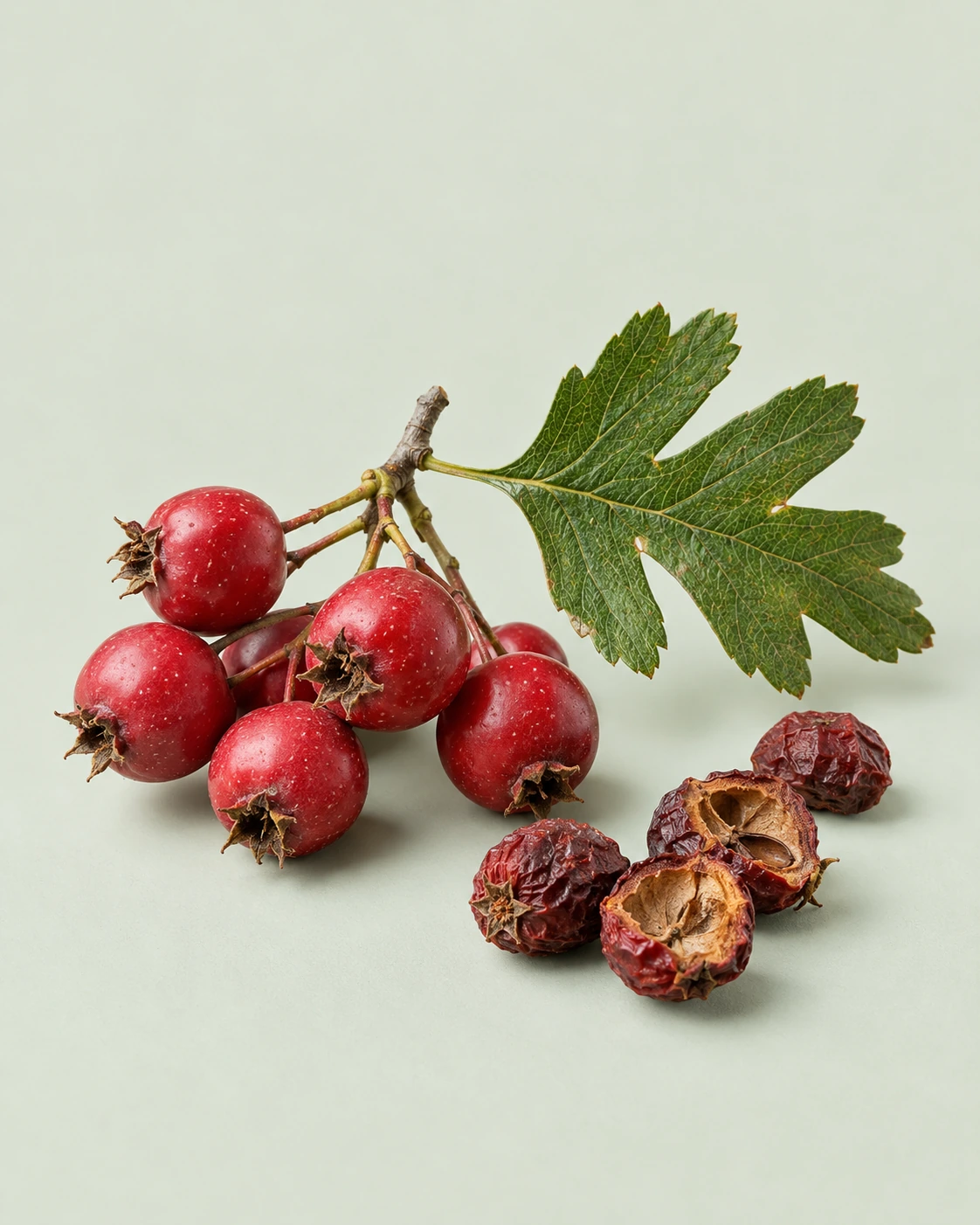 Hawthorn
Sources
- Hibiscus sabdariffa L. tea (tisane) lowers blood pressure in prehypertensive and mildly hypertensive adults Journal of Nutrition, 2010 · Study record
- Red tea (Roselle) for lowering blood pressure in adults Cochrane, 2021