
Reishi
Reishi, or lingzhi, is a woody mushroom of the genus Ganoderma with a long history in traditional Chinese and Japanese medicine.
Also listed as Lingzhi, Yeongji, Mannamtake, Mushroom Of Immortality
What it is studied for
The strongest rated effects first. Bars show the size of the effect, the letter grades the evidence, and each rating lists the studies behind it.
What makes reishi interesting?
Reishi, Ganoderma lucidum, contains beta-glucan polysaccharides and triterpenes. Laboratory and animal studies suggest immune-modulating and anti-inflammatory activity. These findings explain the research interest without establishing a clinical benefit on their own. 1
Why people take it
SuppCo community snapshot, 2026-09-28. Reasons for use are not evidence that it works.
Questions people ask
Can reishi replace cancer treatment?
The Cochrane review does not support first-line treatment with reishi, and long-term survival was not measured. 2
What dose lowered blood pressure?
The analyzed trials using 1.4 to 3 g daily did not show a significant blood-pressure benefit. 3
Can reishi interfere with a cancer blood test?
MSK reports that spore products can raise CA72-4. The treatment team needs to know about their use when interpreting results. 1
Related nutrients
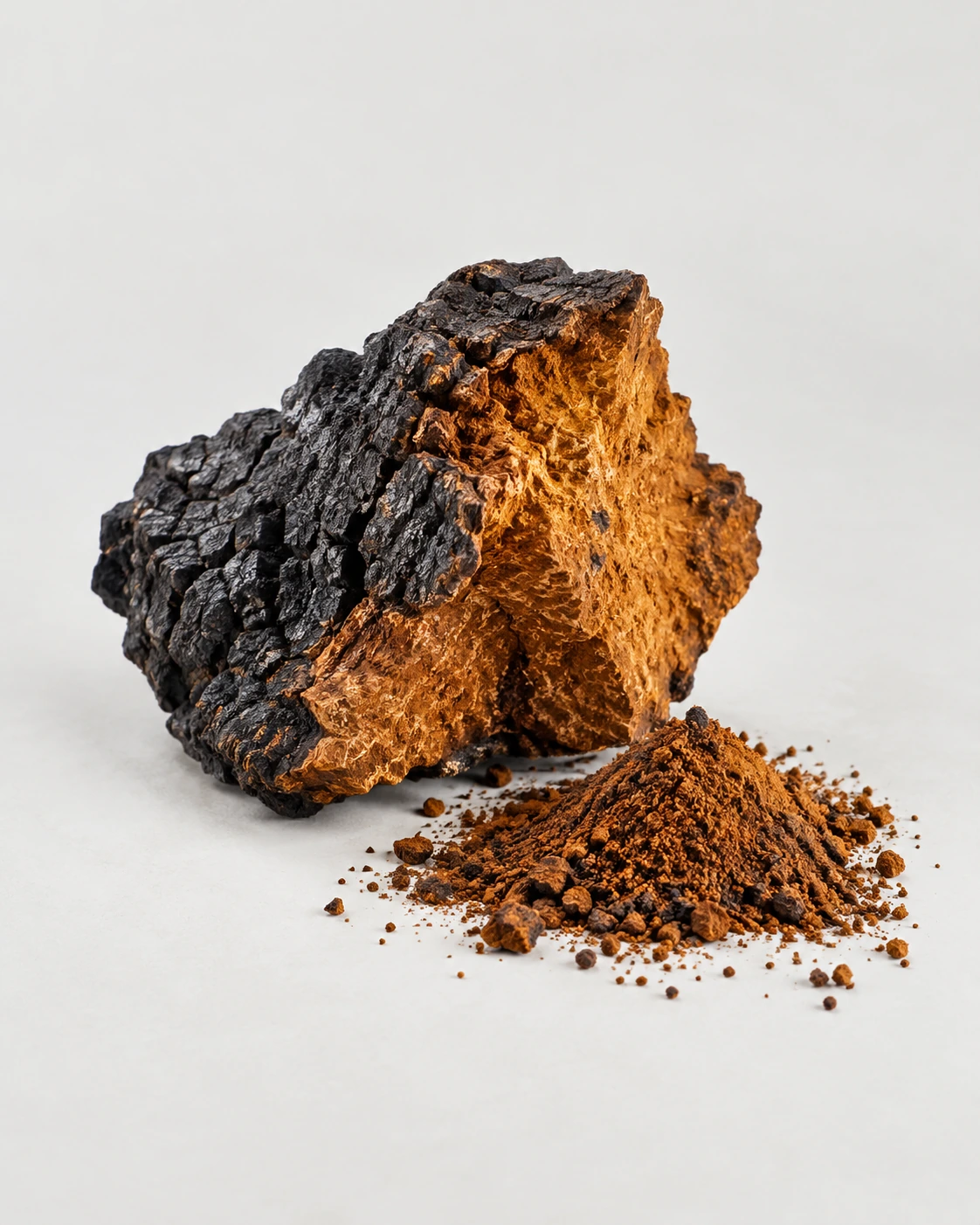 Chaga
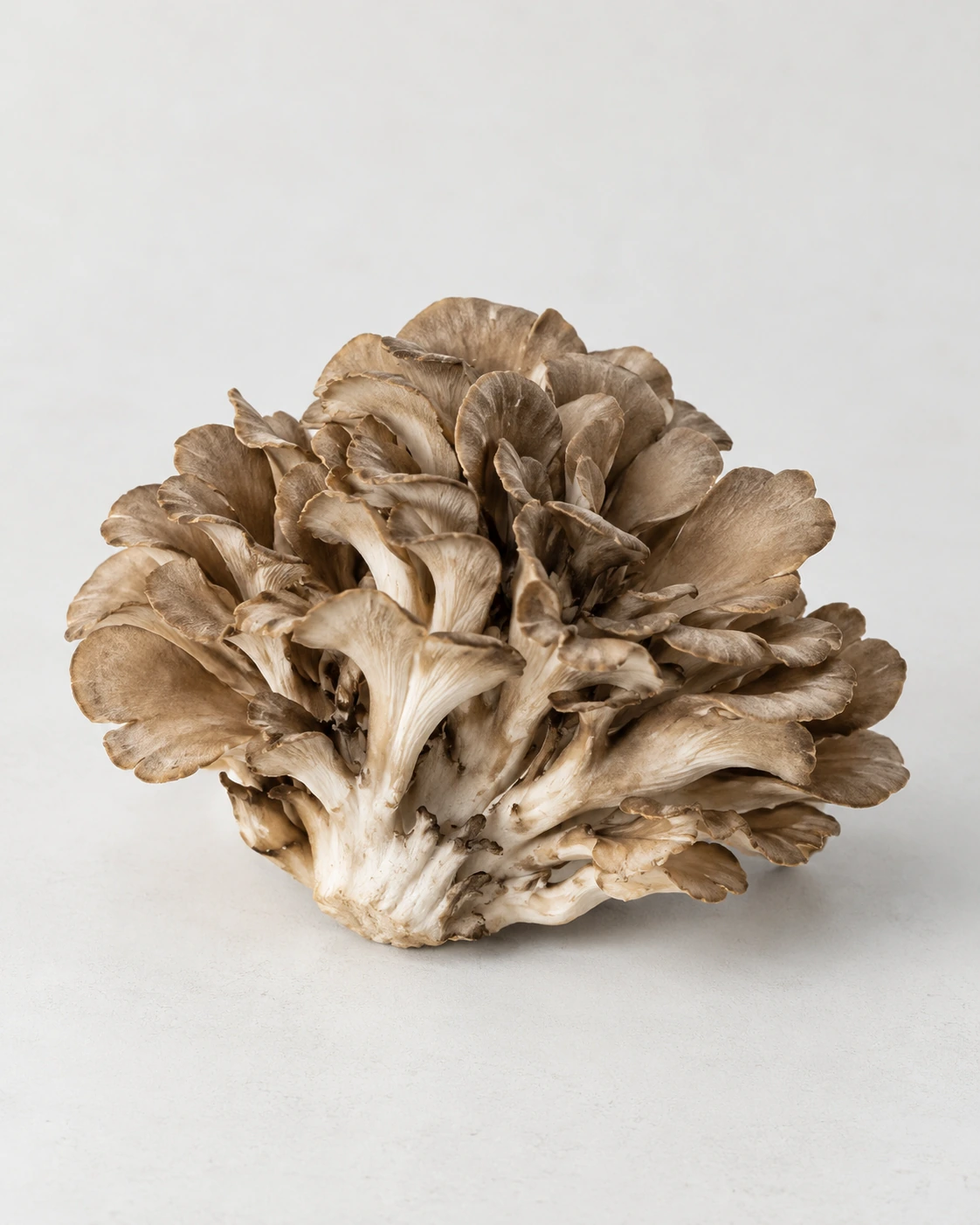 Maitake Mushroom
Sources
- Reishi Mushroom Memorial Sloan Kettering Cancer Center
- Ganoderma lucidum for cancer treatment Cochrane, 2016