
Stress
Can a supplement make a demanding week easier? This guide looks at perceived stress, the limits of supplement trials and when extra support matters.
When stress starts taking up too much room
Stress is a natural response to difficult situations. A little can help us meet a challenge, but too much can affect sleep, concentration and physical comfort. Work pressure, money worries and conflict are familiar triggers; the response differs from person to person. 1
It can show up in your body as well as your thoughts
Headaches, muscle tension and stomach trouble can accompany stress. Feeling overwhelmed, struggling to decide things and sleeping or eating differently are other possible signs. These symptoms describe a pattern worth paying attention to, rather than a test that identifies one particular cause. 2
What counts as improvement?
Supplement studies use questionnaires about perceived stress, anxiety scales and sometimes cortisol measurements. These are separate outcomes: a change in a hormone result does not by itself tell us that daily life feels easier. The ashwagandha review, for example, analyzed perceived stress and cortisol separately. 3
When self-help is no longer enough
The NHS advises seeking professional help when stress is hard to cope with or attempts to manage it are not helping. Talking therapies may be part of that support. There is no need to wait for a supplement trial to end before discussing persistent difficulties. 2
Nutrients with the strongest ratings
Sorted by the largest rated effect. Bars show effect size, the letter is the evidence grade.
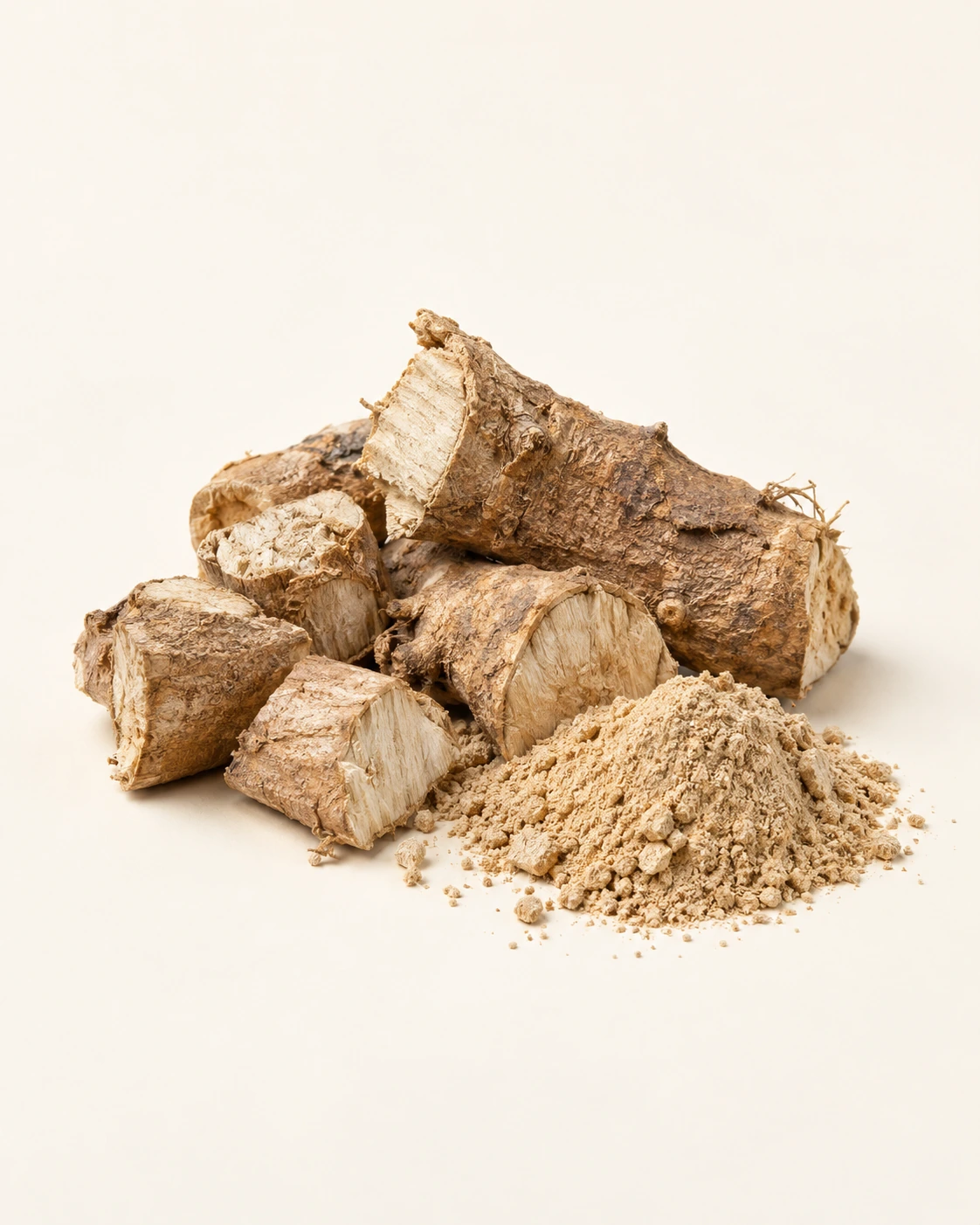
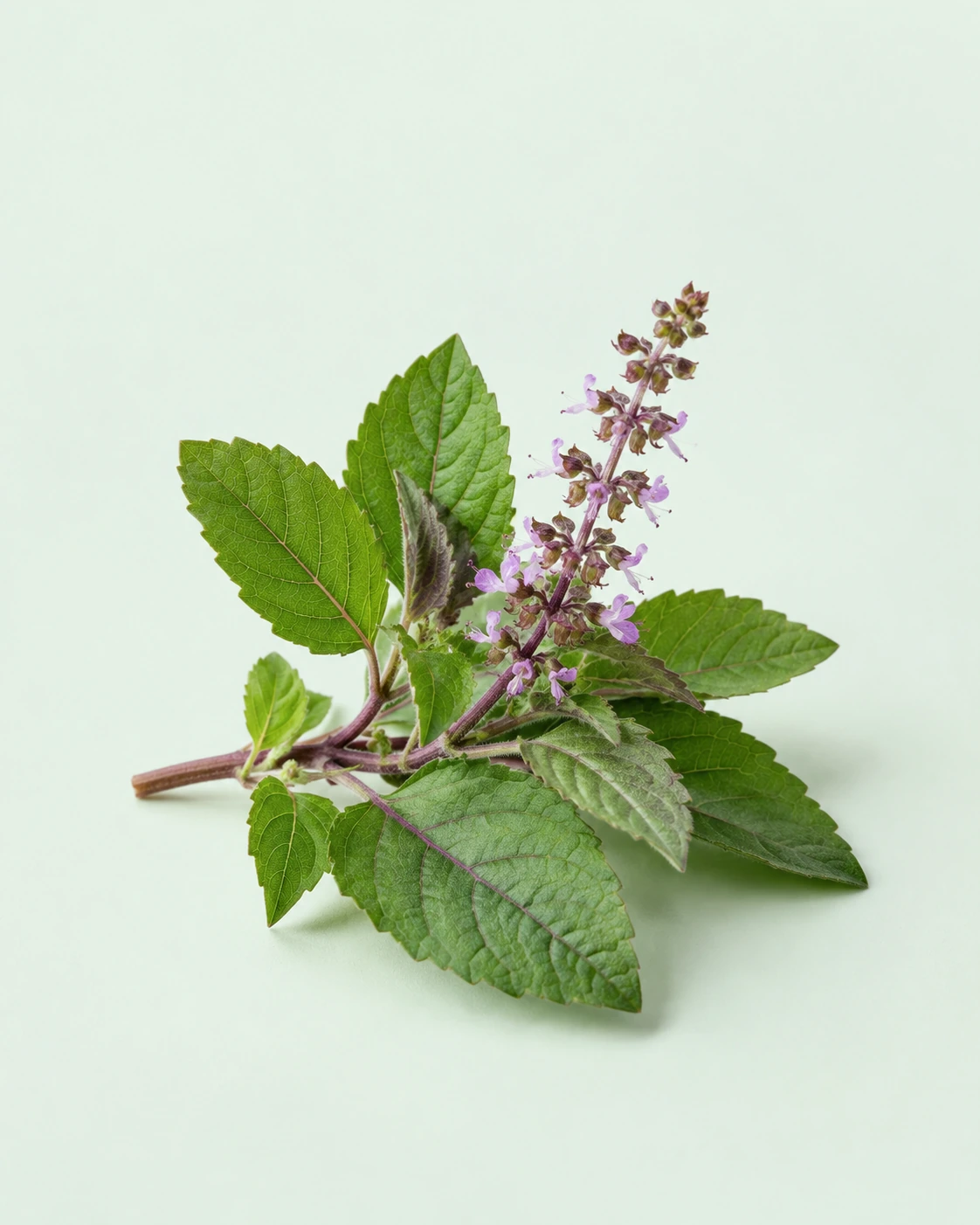
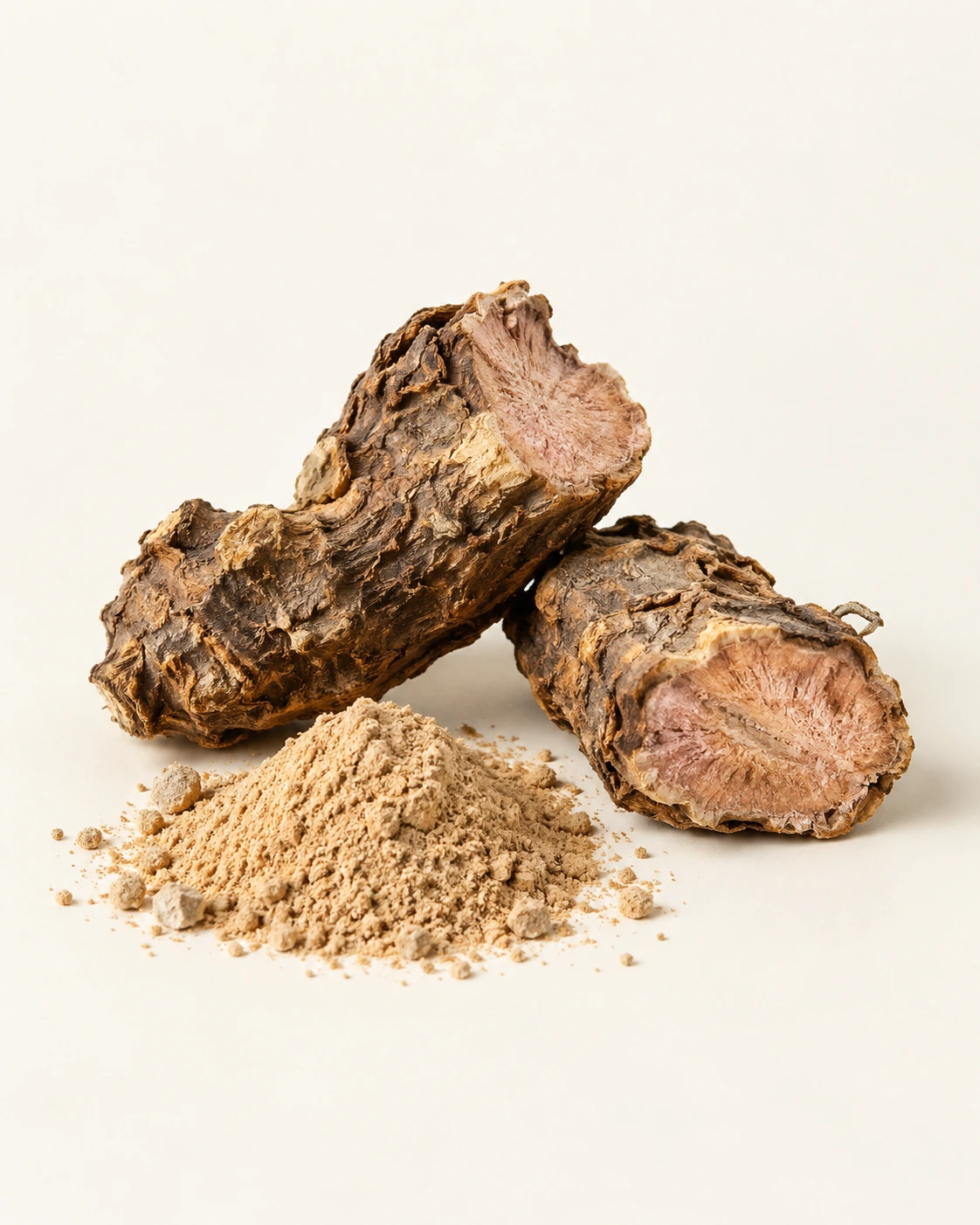
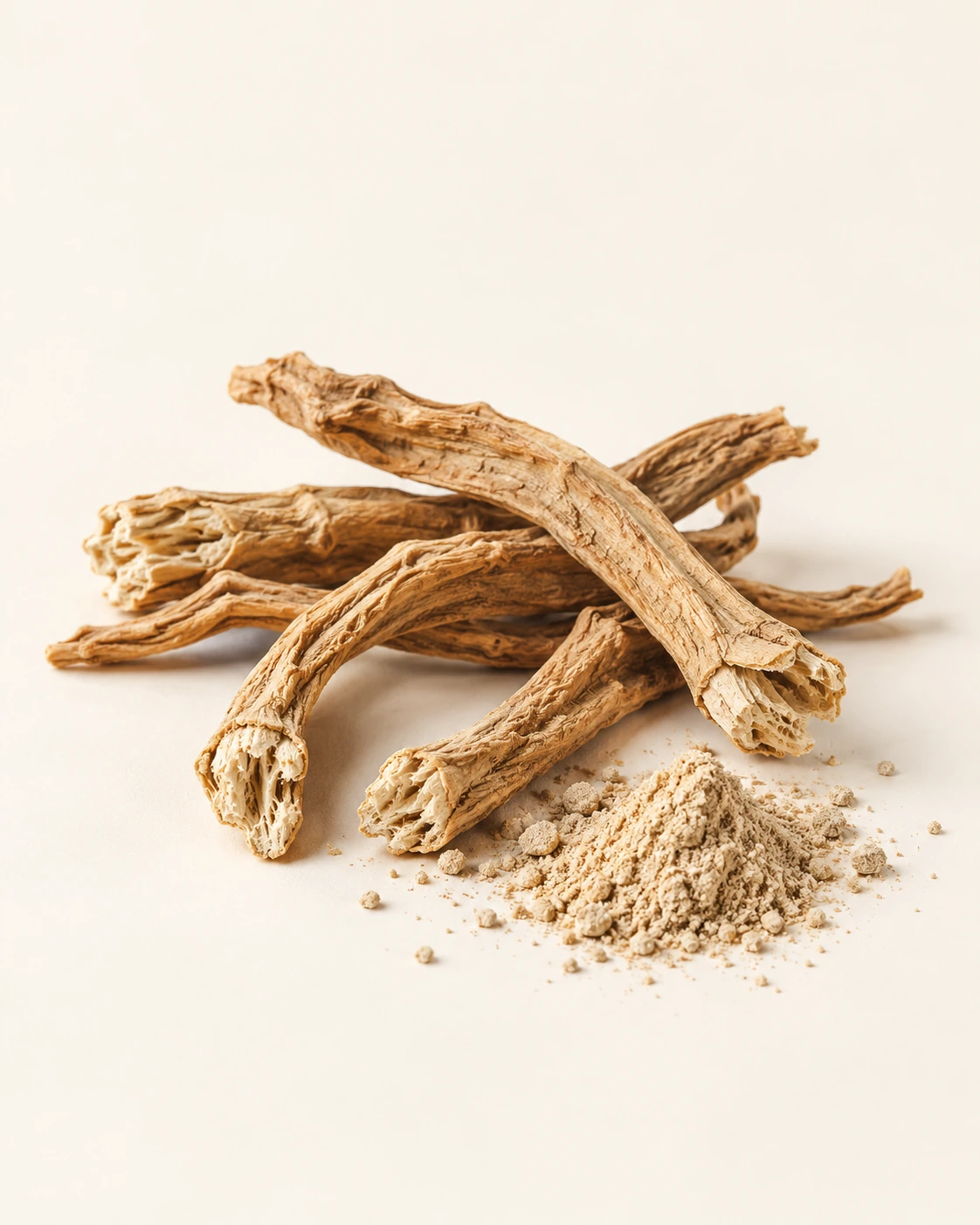
Ashwagandha has a promising signal, with safety caveats
A 2024 meta-analysis pooled nine randomized trials with 558 participants. Perceived-stress scores favored ashwagandha by an average of 4.72 points, with a wide confidence interval from 0.99 to 8.45 points. NCCIH notes that studies are generally small and use different preparations, which makes a single product-wide promise difficult. 3 4
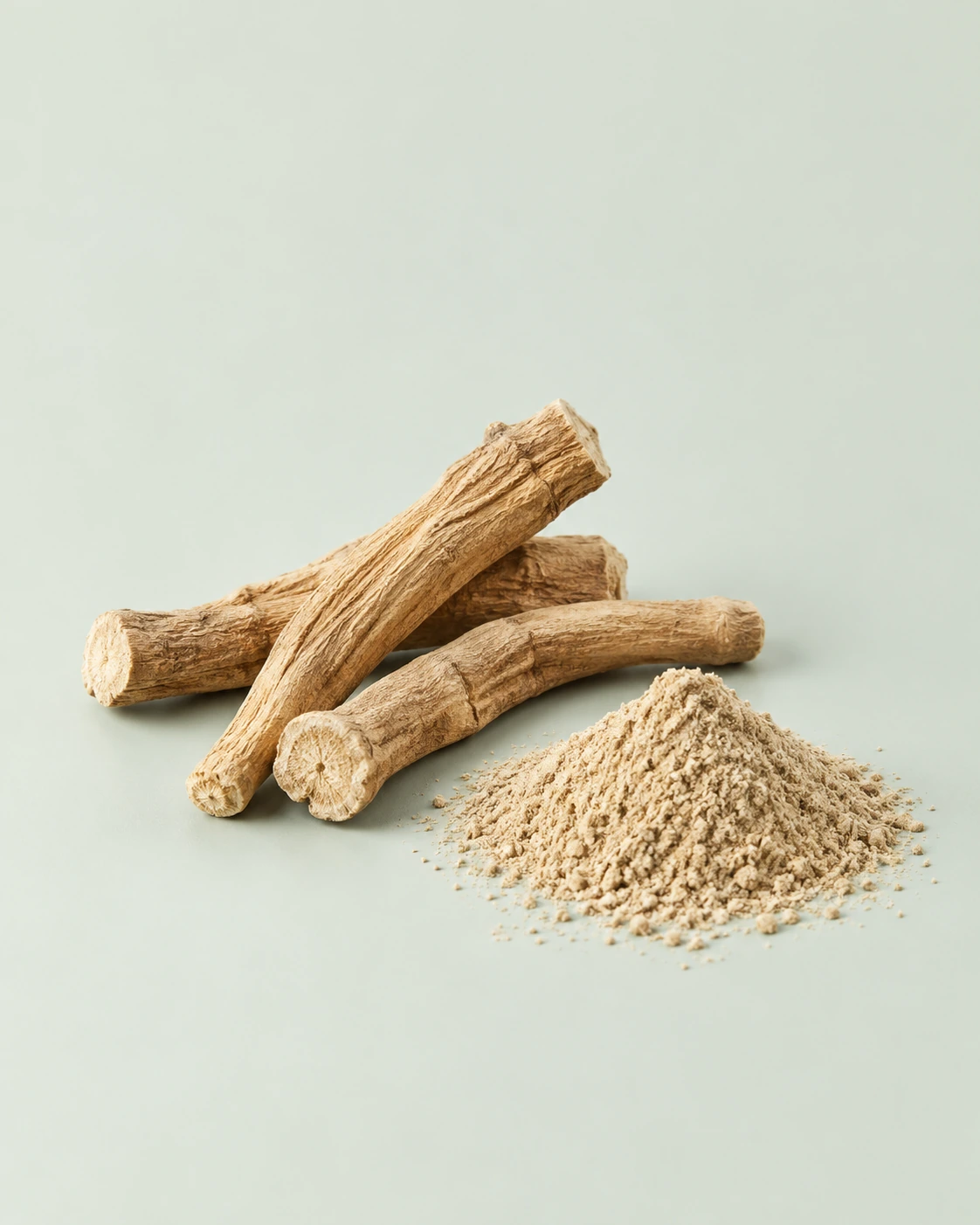 AshwagandhaMixed
Some preparations may reduce stress, but the size and reliability of benefit across products remain uncertain. 3 4
B vitamins: a small average stress benefit
A 2019 review examined supplements containing at least three B vitamins, used for at least four weeks. The stress analysis included 958 people and found a small average benefit, a standardized effect of 0.23. Anxiety did not improve significantly, and the depression result also fell short of statistical significance. The finding concerns the studied combinations, not an interchangeable effect of every B vitamin. 5
 B-vitamin combinationsMixed
A modest stress signal in healthy and at-risk groups does not establish a treatment for anxiety or depression. 5
L-theanine: read the placebo comparison closely
Thirty healthy adults took part in a crossover trial of 200 mg daily for four weeks. Some stress-related symptoms improved from their starting values, but the abstract explicitly reports superiority to placebo for selected sleep measures, including sleep latency. Improvement over time and improvement beyond placebo are different claims; this small trial does not settle whether theanine reliably relieves everyday stress. 6
 L-theanineToo little evidence
Encouraging preliminary findings, with too little evidence here for a dependable stress benefit. 6
Rhodiola: a short trial without a placebo
Eighty mildly anxious adults were assigned to 400 mg of Rhodiola rosea extract daily or no treatment for 14 days. Reported stress and anxiety improved in the extract group. Because the comparison group received no placebo, the study cannot separate the extract’s effect from expectations about receiving treatment. 7
Natural does not mean suitable for everyone
Ashwagandha can cause drowsiness and digestive symptoms, and cases of liver injury have been reported. Germany’s BfR advises children, pregnant or breastfeeding people and people with current or previous liver disease to avoid these products. It could not derive a safe intake level and recommends caution for other users too. Short trials cannot answer the question of long-term safety. 4 8
Make room for practical support
The NHS suggests talking with someone, physical activity, breathing exercises and breaking demands into manageable tasks. These approaches address how the day is lived, alongside any discussion of supplements. When coping remains difficult, professional support can help; a product is not a prerequisite for getting it. 2
What this page covers
This review covers ashwagandha, B-vitamin combinations, L-theanine and rhodiola. It does not assess the other ingredients listed for stress in the directory.
Questions people ask
Can ashwagandha help with stress?
Some preparations have shown benefits in small trials, but formulations differ and safety questions remain. The evidence does not justify treating every product as equivalent. 3 4
Does lower cortisol mean I feel better?
Not necessarily. Cortisol and perceived-stress scores are separate study outcomes; a laboratory change alone does not demonstrate relief in daily life. 3
Are B vitamins a treatment for anxiety?
The reviewed trials found a small stress benefit, but no significant anxiety benefit. Those are different results. 5
How much L-theanine was studied?
The small crossover trial used 200 mg daily for four weeks in healthy adults. This describes the research, not an established personal dose for stress. 6
When is it worth getting help?
When stress is difficult to cope with or self-help is not working, the NHS recommends professional support. Talking therapies may help. 2
Sources
- Stress WHO
- Stress NHS
- Ashwagandha NCCIH