
Chronic Stress
A guide to sustained stress, support, and the limits of supplement research.
What is chronic stress?
Chronic stress is a sustained stress response. It can worsen sleep problems, headaches, and digestive symptoms. 1
How does it show up?
Tension, concentration problems, and changes in sleep can occur. Common pressures involve work, money, and family. 2
When is professional help useful?
The NHS advises seeking professional help when coping is difficult or self-help is not working. Talking, exercise, and breathing exercises are among its suggested approaches. 2
Nutrients with the strongest ratings
Sorted by the largest rated effect. Bars show effect size, the letter is the evidence grade.
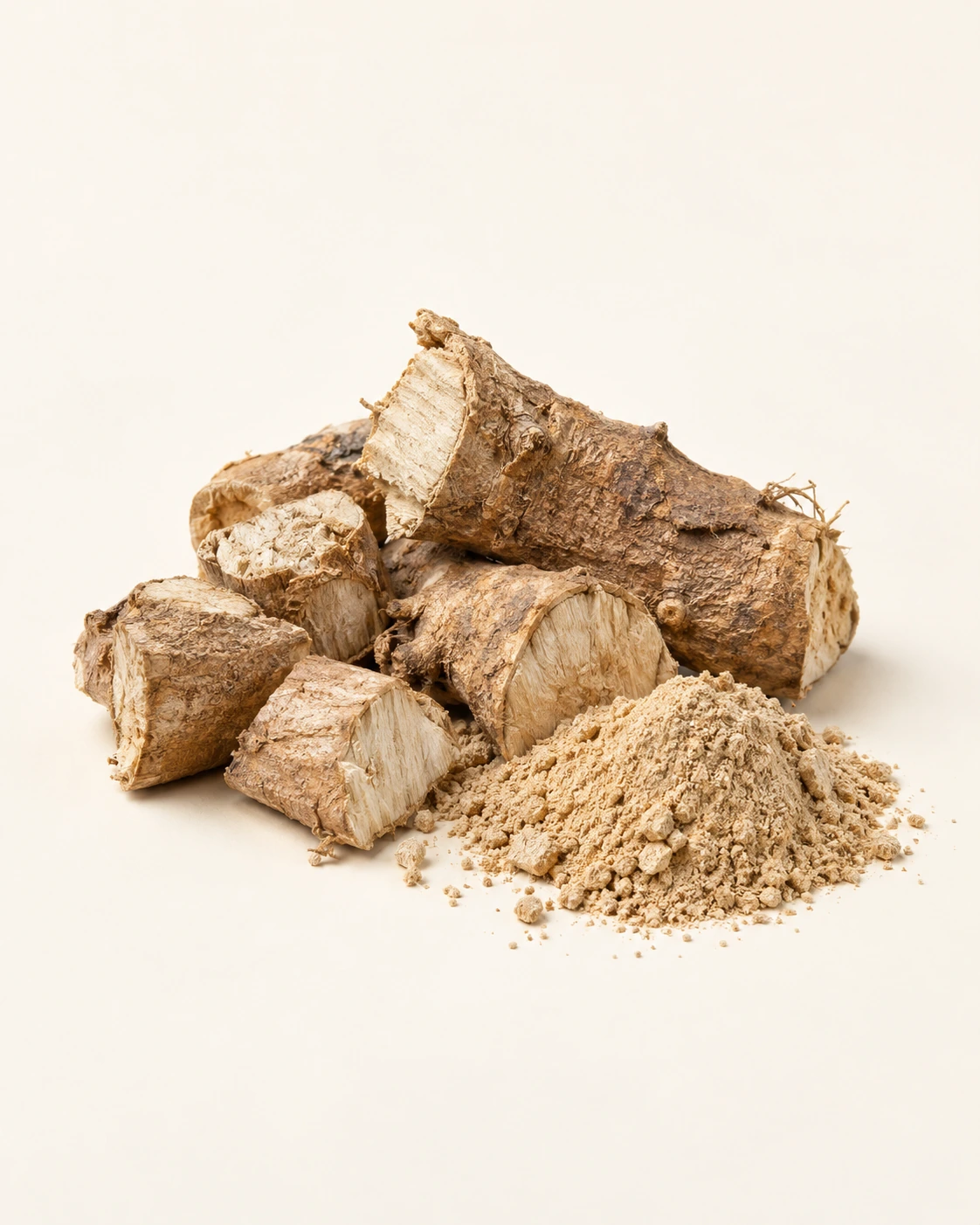
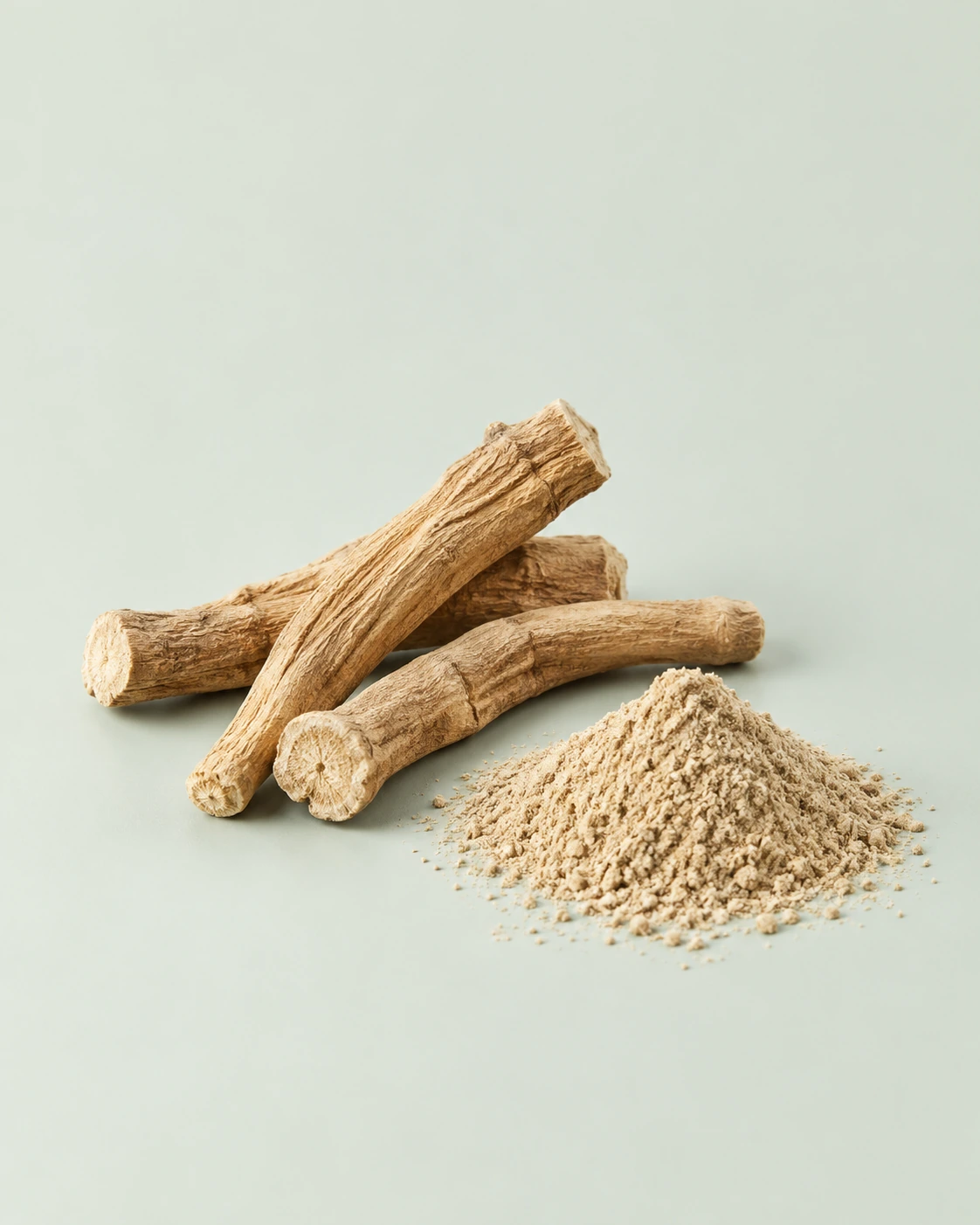
What was studied with ashwagandha?
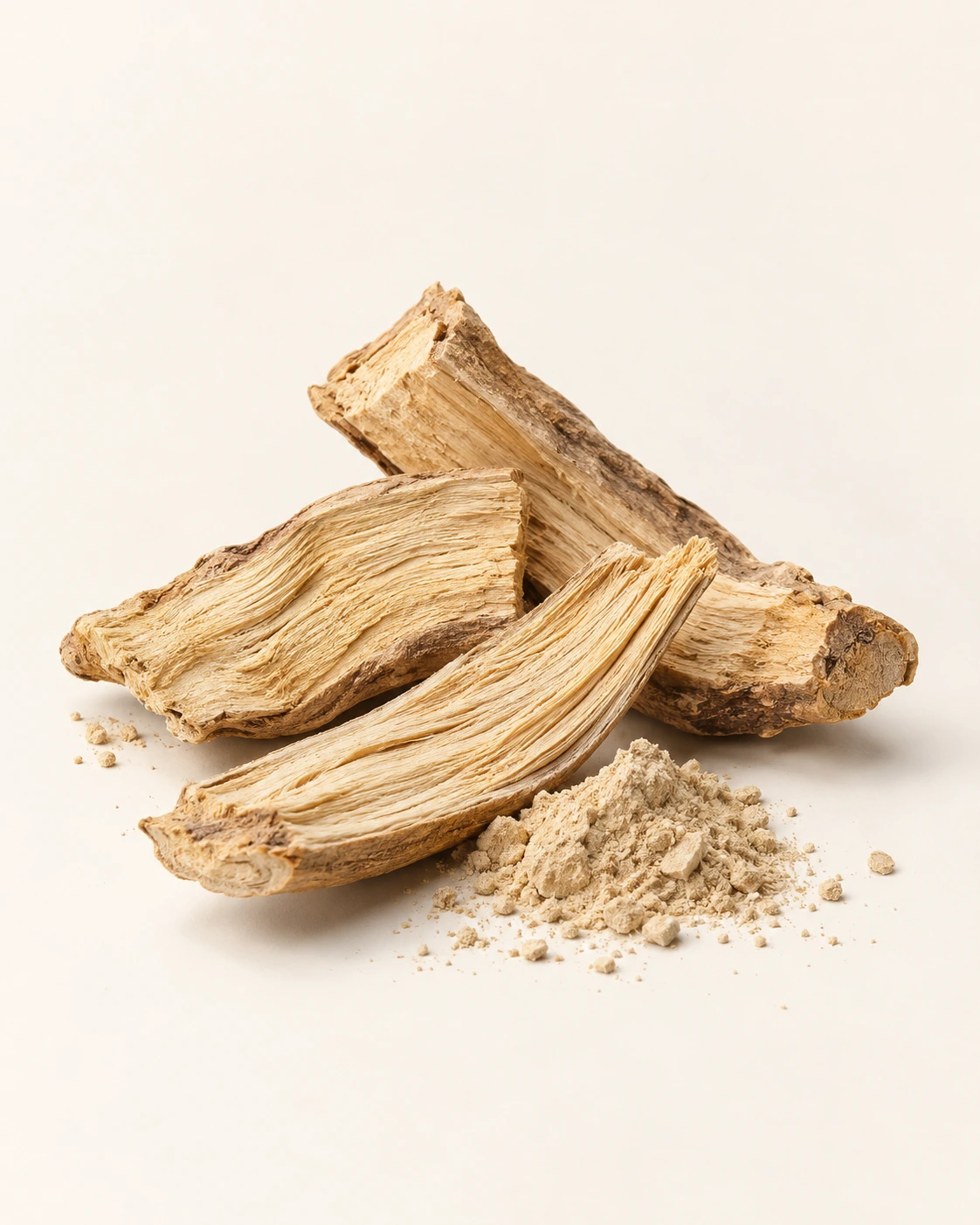
An eight-week placebo-controlled trial studied 125, 250, or 500 mg daily of a root-and-leaf extract in adults reporting high stress. Stress scores improved; 98 of 131 enrolled participants entered the final analysis, limiting confidence in the result. 3
What are the limits and risks?
NCCIH describes small studies using different preparations. Long-term safety is unknown, and interactions are possible. BfR particularly advises against use by children, pregnant or breastfeeding people, and people with liver disease. 4 5
Scope of this review
Other rated supplements are not reviewed here.
Questions people ask
Is all stress harmful?
Occasional stress is a normal coping response. 1
How do studies measure stress?
The cited trial used the Perceived Stress Scale and biological measures. 3
Is long-term ashwagandha use safe?
Available evidence is insufficient to establish long-term safety. 4
When should I seek help?
When stress is difficult to cope with or self-help is not helping. 2
Sources
- Stress NCCIH
- Ashwagandha NCCIH