
Diarrhea
A guide to diarrhea, fluid replacement and the limits of probiotic evidence.
What counts as diarrhea?
Diarrhea means at least three very loose or liquid stools in 24 hours. Infections, food intolerances and medicines can cause it. 1
When is medical care needed?
Dizziness, blood in stool, severe pain or no improvement after 48 hours warrant medical attention. 1
Nutrients with the strongest ratings
Sorted by the largest rated effect. Bars show effect size, the letter is the evidence grade.
What matters first?
Replacing lost fluid and electrolytes is the priority, especially in children and older people. 1
What do probiotic trials show?
A 2016 trial studied 160 adults receiving antibiotics. The tested combination did not improve the primary stool-frequency or consistency outcomes; a later analysis found shorter diarrhea-like episodes. 2
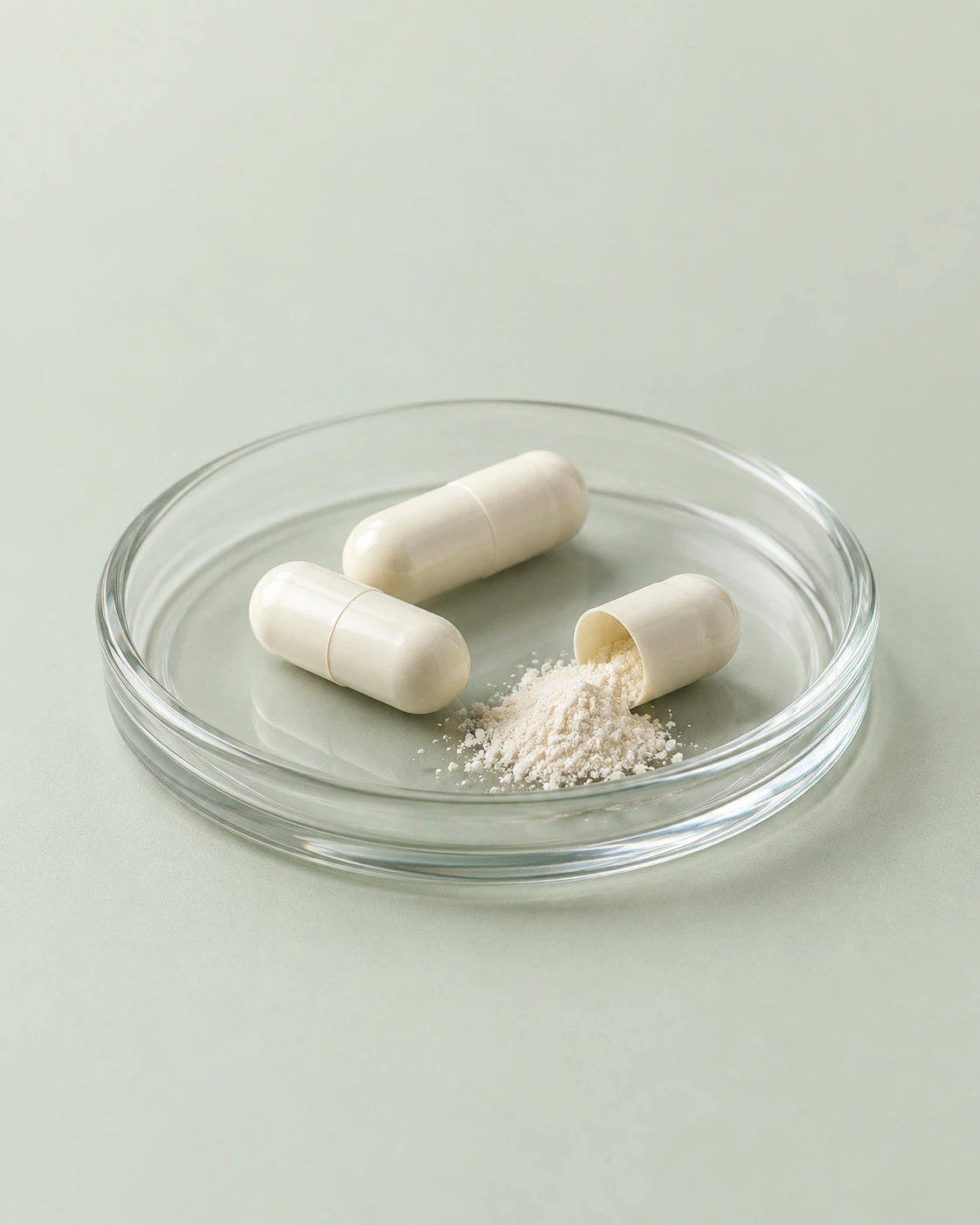 lactobacillus-rhamnosusMixed
R0011 combined with L. helveticus R0052 gave mixed results. This does not establish benefit for all strains or infectious diarrhea. 2
Limits and safety
IQWiG finds no persuasive evidence for charcoal tablets and warns against yeast preparations in severely immunocompromised people. 1
Questions people ask
What is the first priority?
Fluid and electrolyte replacement. 1
When should I seek help?
Blood in stool or dizziness warrants medical attention. 1
Are all probiotics equivalent?
This trial evaluated two specific strains together, not every probiotic. 2
Did the trial prove prevention?
No significant improvement appeared in its primary stool outcomes. 2
Sources
- Durchfall IQWiG