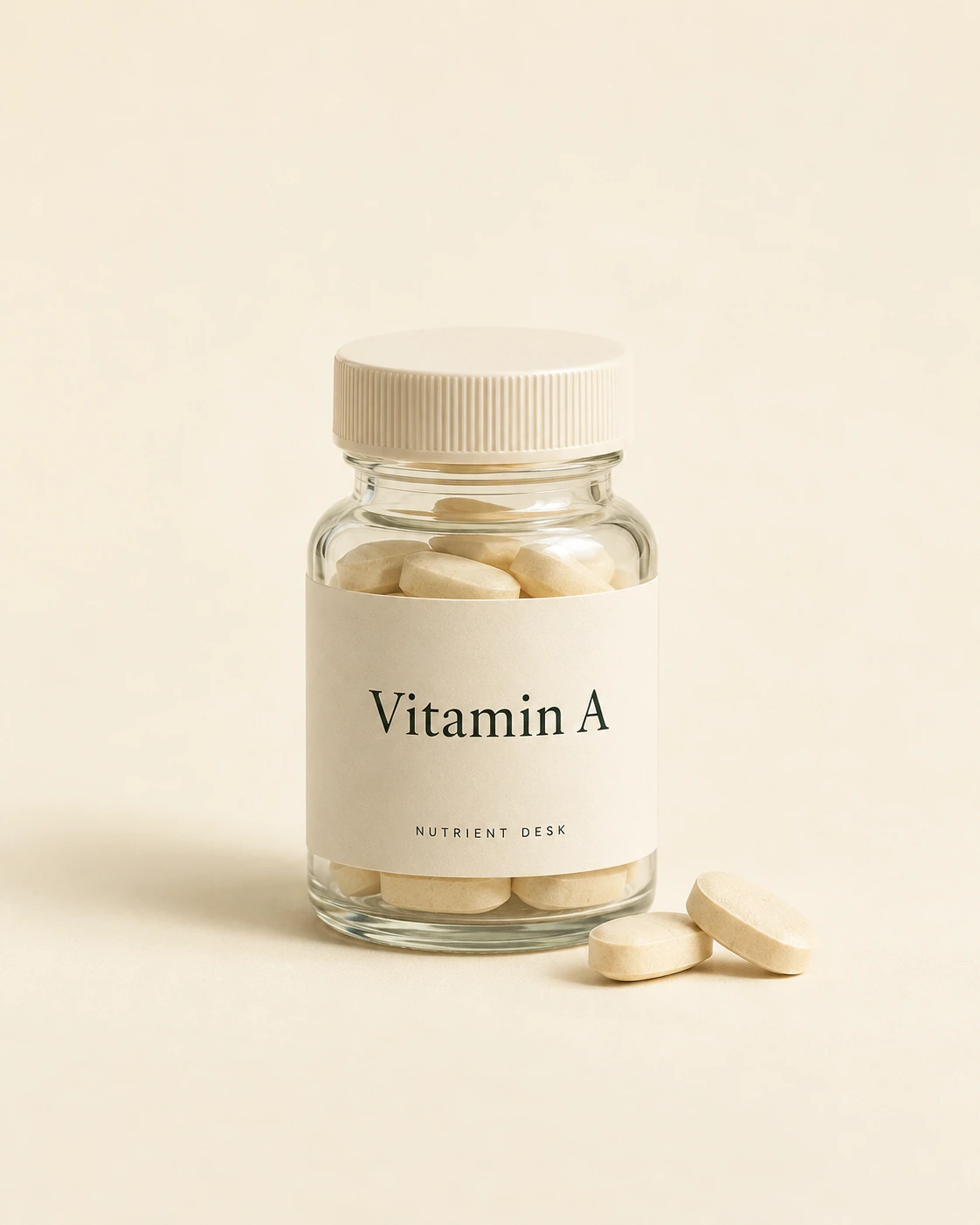
Vitamin A
Vitamin A is a group of fat-soluble compounds, such as retinol from animal foods. Plants supply carotenoids like beta-carotene that the body can convert to it.
Also listed as retinol, retinal, retinoic acid, tretinoin
What it is studied for
The strongest rated effects first. Bars show the size of the effect, the letter grades the evidence, and each rating lists the studies behind it.
Do you need more vitamin A, or simply enough?
Vitamin A supports the light-sensitive machinery of the eye and helps tissues and immune cells function normally. Deficiency can cause night blindness and serious illness, but it is uncommon in the United States. The practical question is whether intake or absorption is inadequate, rather than whether a larger dose sounds protective. 1
Two routes to the same essential nutrient
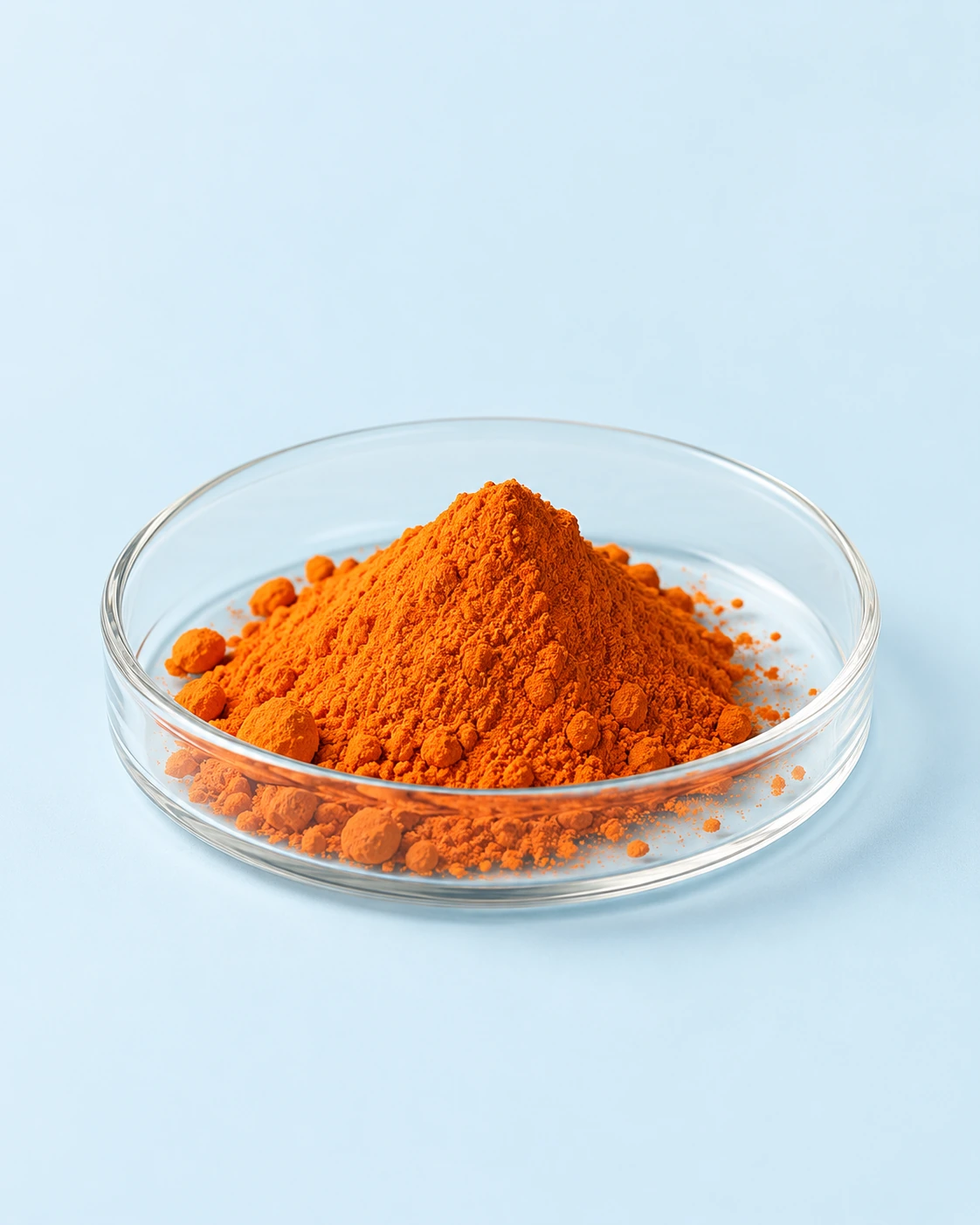
Animal foods provide preformed vitamin A, including retinol and retinyl esters. Plants supply provitamin A carotenoids, such as beta-carotene, that the body converts into vitamin A. Most vitamin A is stored in the liver; lutein and lycopene are carotenoids too, but cannot be converted into vitamin A. 1
Who is more likely to have a shortfall?
Conditions that interfere with nutrient or fat absorption, including cystic fibrosis, celiac disease and inflammatory bowel disease, can increase the risk of deficiency. A blood retinol result is not a complete inventory of body stores: concentrations may remain stable until stores are depleted, and infection can lower the reading. Symptoms and test results therefore need clinical context. 1
Key studies
The most recent publications linked to Vitamin A's ratings.
Why people take it
SuppCo community snapshot, 2026-09-28. Reasons for use are not evidence that it works.
Questions people ask
Are beta-carotene and vitamin A identical?
Beta-carotene is a precursor that can be converted into vitamin A. Retinol is preformed vitamin A, so their amounts and safety limits are not interchangeable. 1
Can vitamin A help me see better at night?
Deficiency can cause night blindness, and correcting deficiency matters. Extra vitamin A is not an established way to improve night vision when nutritional status is already adequate. 1
Should I use vitamin A for acne?
Historical reports raised the possibility, but the placebo-controlled trial summarized in a systematic review found no advantage. High-dose use carries significant toxicity and pregnancy risks. 2
Can I get enough without animal foods?
DGE says yes, with a consciously planned intake of carotenoid-rich plant foods. Conversion into vitamin A must be allowed for when interpreting food amounts. 3
Does a normal blood test rule out low stores?
Not always. Blood retinol can stay stable until stores are nearly depleted, while infection can lower it independently. It is one part of assessment, not a direct measure of all stored vitamin A. 1
 Vitamin C
 Vitamin E
 Beta-Carotene