
Sleep Onset
Can supplements help you fall asleep sooner? The useful answer depends on the size of the effect and the sleep problem.
What is being measured?
Sleep onset latency is the time it takes to fall asleep. Trials measure it with sleep recordings or participants’ reports; the two approaches need not give the same result. 1
Why can sleep become difficult?
Stress, anxiety, and unhelpful sleep habits can contribute to sleep problems. A medical conversation can also identify physical or psychological causes. 2
What can help beyond a supplement?
Cognitive behavioral therapy addresses thoughts and behaviors that keep sleep difficulties going. Relaxation and changes in sleep habits are other options discussed in German patient guidance. 2
What should you know about safety?
Melatonin appears relatively safe for short-term use, but long-term safety is not established. NCCIH also reports inaccurate labeling of some products and overdose risks for children. 3
Nutrients with the strongest ratings
Sorted by the largest rated effect. Bars show effect size, the letter is the evidence grade.
All 20 ratingsEvery nutrient rated for sleep onset, with search




What does the evidence cover?
This section covers the specific uses below; other supplements are not reviewed.
 MelatoninMixed
A 2013 analysis of 19 studies in adults and children with primary sleep disorders found that melatonin shortened the average time to fall asleep by about seven minutes. Results varied across studies. 1
Melatonin: why timing mattersMixedA 2024 analysis of 26 adult trials found that dose and timing influenced sleep outcomes. Its model-based suggestions are research findings, not an individual dosing plan. NCCIH notes that guidelines have recommended against melatonin for chronic insomnia. 3 4
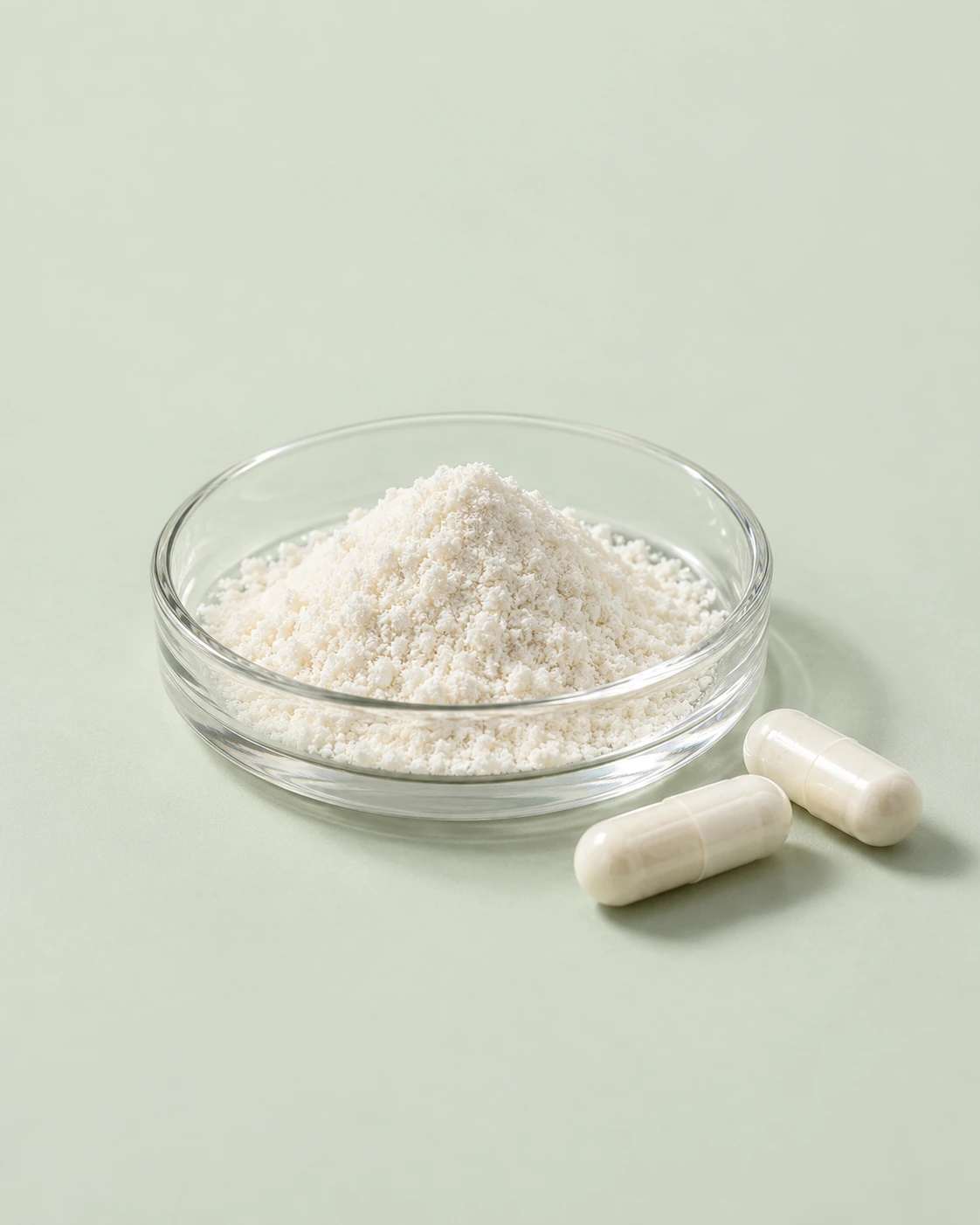 Glycine
Questions people ask
Does falling asleep faster mean sleeping longer?
They are separate outcomes and may respond differently in trials. 1
How large was the average melatonin benefit?
The 2013 analysis reported about seven minutes faster sleep onset and eight minutes longer total sleep; the duration result depended on the analysis used. 1
Is glycine well established?
The review identified small sleep studies with high risk of bias. 5
Is long-term melatonin safety settled?
No. NCCIH says long-term safety has not been established. 3
What is cognitive behavioral therapy for sleep?
It helps change thoughts and behaviors that interfere with sleep. 2