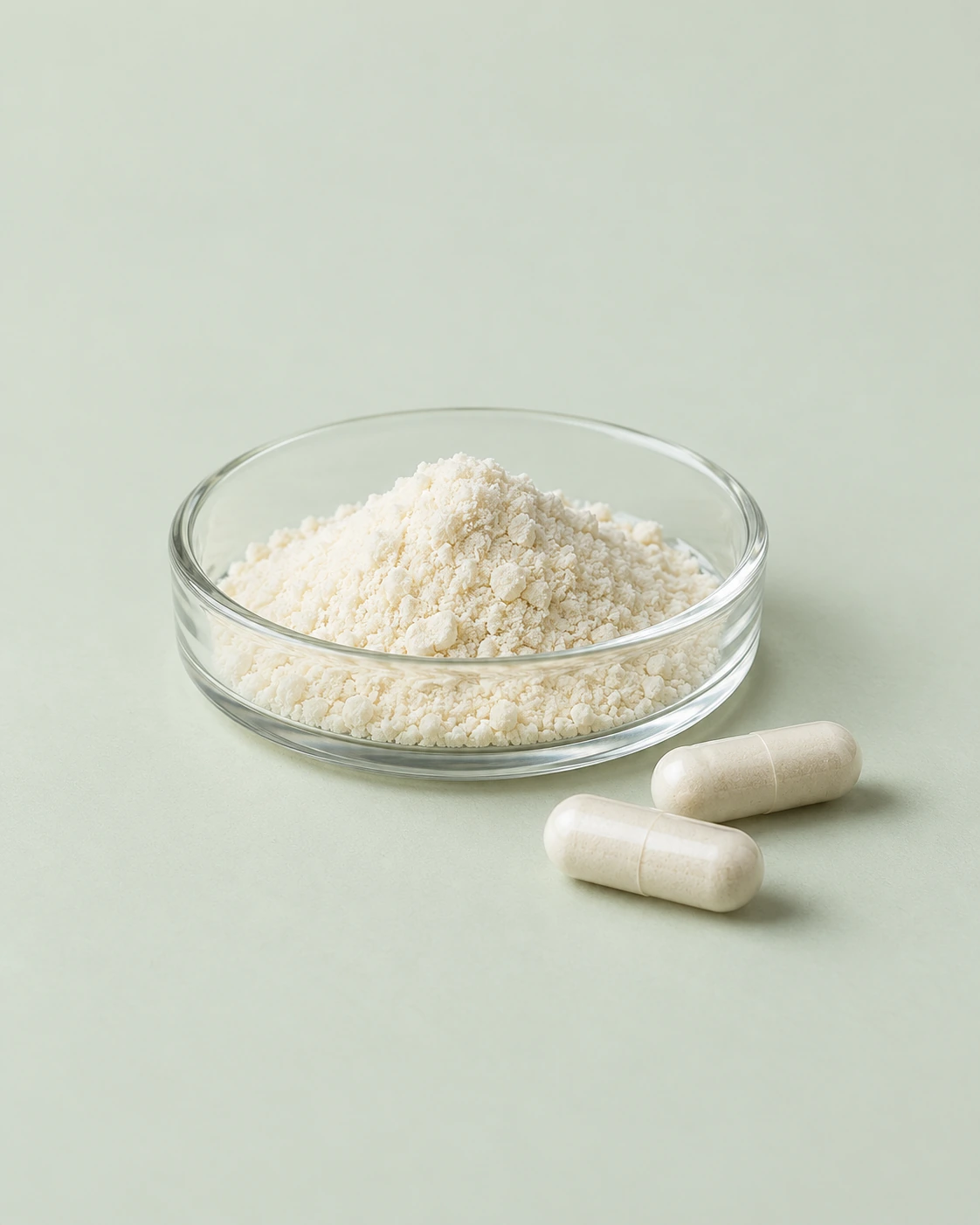
Betaine
Betaine, also called trimethylglycine or TMG, is a compound found in beets, spinach and whole grains that donates methyl groups in metabolism.
Also listed as TMG, Glycine Betaine, Oxyneurine, Trimethylglycine
What it is studied for
The strongest rated effects first. Bars show the size of the effect, the letter grades the evidence, and each rating lists the studies behind it.
What is betaine?
Betaine, also called trimethylglycine or TMG, occurs in foods including beets, spinach, and whole-grain bread. It donates methyl groups in metabolism and helps cells regulate their water balance. 1 2
Why is the liver a research focus?
Researchers are exploring how betaine influences oxidative stress, inflammation, and insulin resistance in liver disease. The molecular-mechanism review describes a rationale for study, not proof that supplements treat fatty liver. 2
Key studies
The most recent publications linked to Betaine's ratings.
Why people take it
SuppCo community snapshot, 2026-09-28. Reasons for use are not evidence that it works.
Questions people ask
Is TMG another name for betaine?
Yes. TMG stands for trimethylglycine. 1
Is betaine HCl proven to relieve bloating?
The small study cited here measured stomach acidity, not improvement in bloating. 3
Sources
- Dietary Supplements for Exercise and Athletic Performance NIH Office of Dietary Supplements
- Preventive and therapeutic role of betaine in liver disease: A review on molecular mechanisms European Journal of Pharmacology, 2021 · Study record
- Gastric reacidification with betaine HCl in healthy volunteers with rabeprazole-induced hypochlorhydria Molecular Pharmaceutics, 2013
- Safety of betaine as a novel food pursuant to Regulation (EC) No 258/97 EFSA Journal, 2017