
Gut health
A guide to digestive symptoms and the roles of food, psyllium, peppermint oil, and probiotics.
What would better gut health mean?
This page focuses on digestive symptoms and the supplements studied for them. It does not assess general microbiome optimization.
Start with the symptoms
Repeated abdominal pain with changes in bowel movements may fit irritable bowel syndrome, or IBS. Lactose intolerance and celiac disease can cause similar symptoms. Assessment therefore considers the pattern and accompanying signs, rather than the impression of a sensitive gut alone. 1
Which signs need assessment?
Blood in the stool needs medical assessment. Marked weight loss and fever also suggest something other than IBS. 1
Daily routines are part of treatment
A diary can show which meals and situations coincide with symptoms. Balanced eating and movement are foundations of digestive care; psychological support can also help people with IBS manage symptoms. 1 2
Nutrients with the strongest ratings
Sorted by the largest rated effect. Bars show effect size, the letter is the evidence grade.
Fiber: the type matters
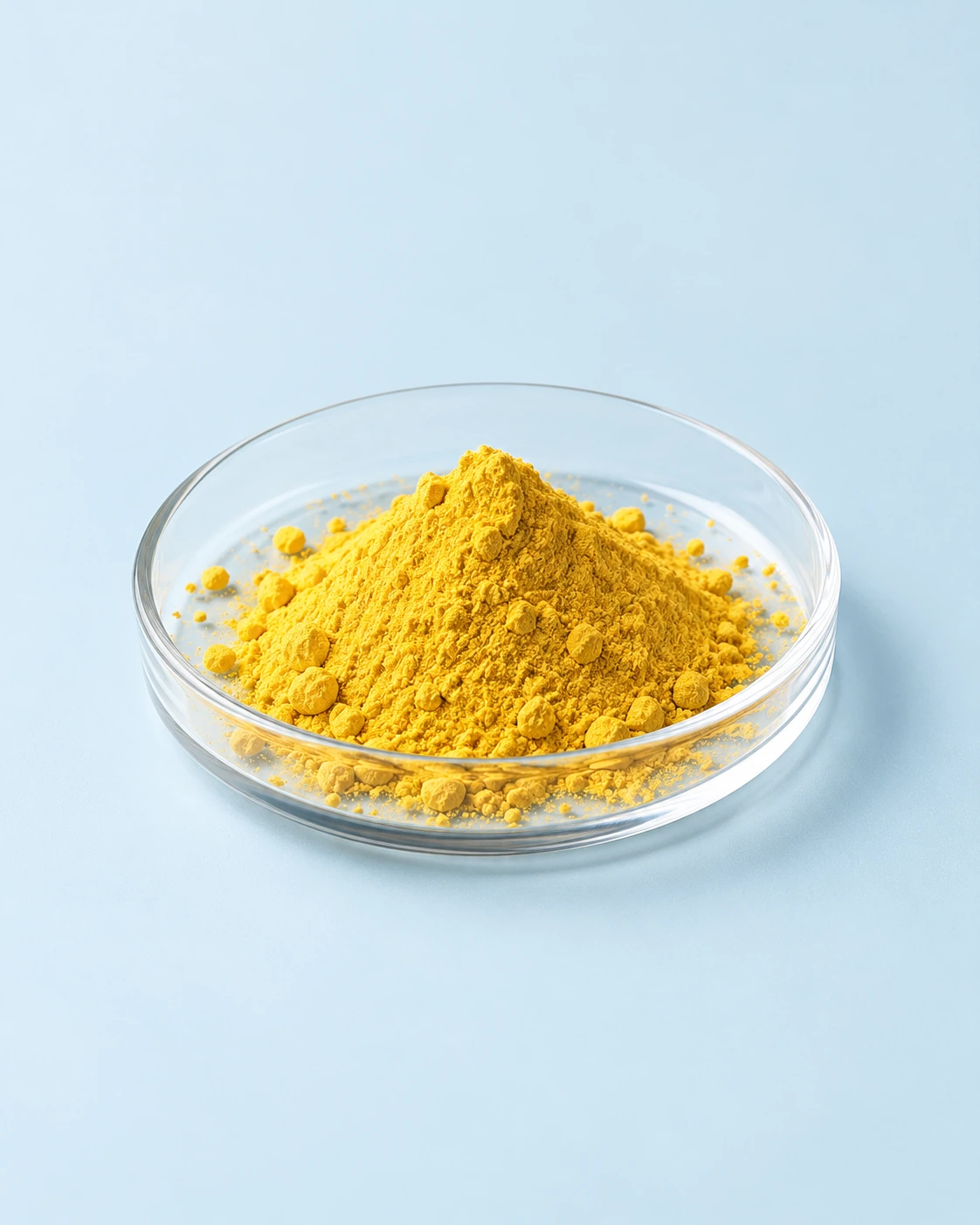
Soluble fiber may be more helpful than insoluble fiber for IBS symptoms, including constipation. Oats and fruit are food sources. A large, sudden increase can cause gas, so NIDDK describes gradual adjustment. 3
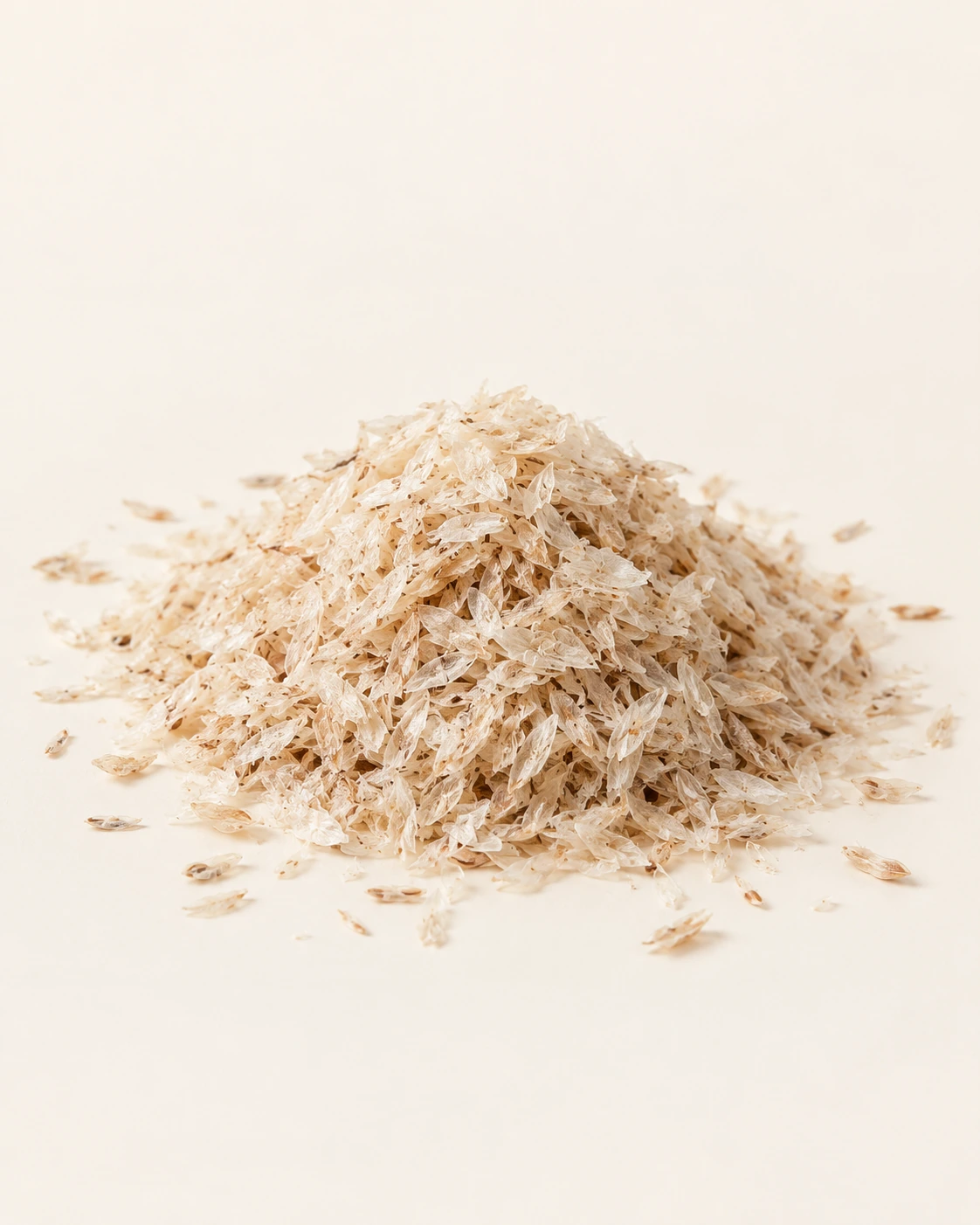 Psyllium
Peppermint oil for IBS symptoms
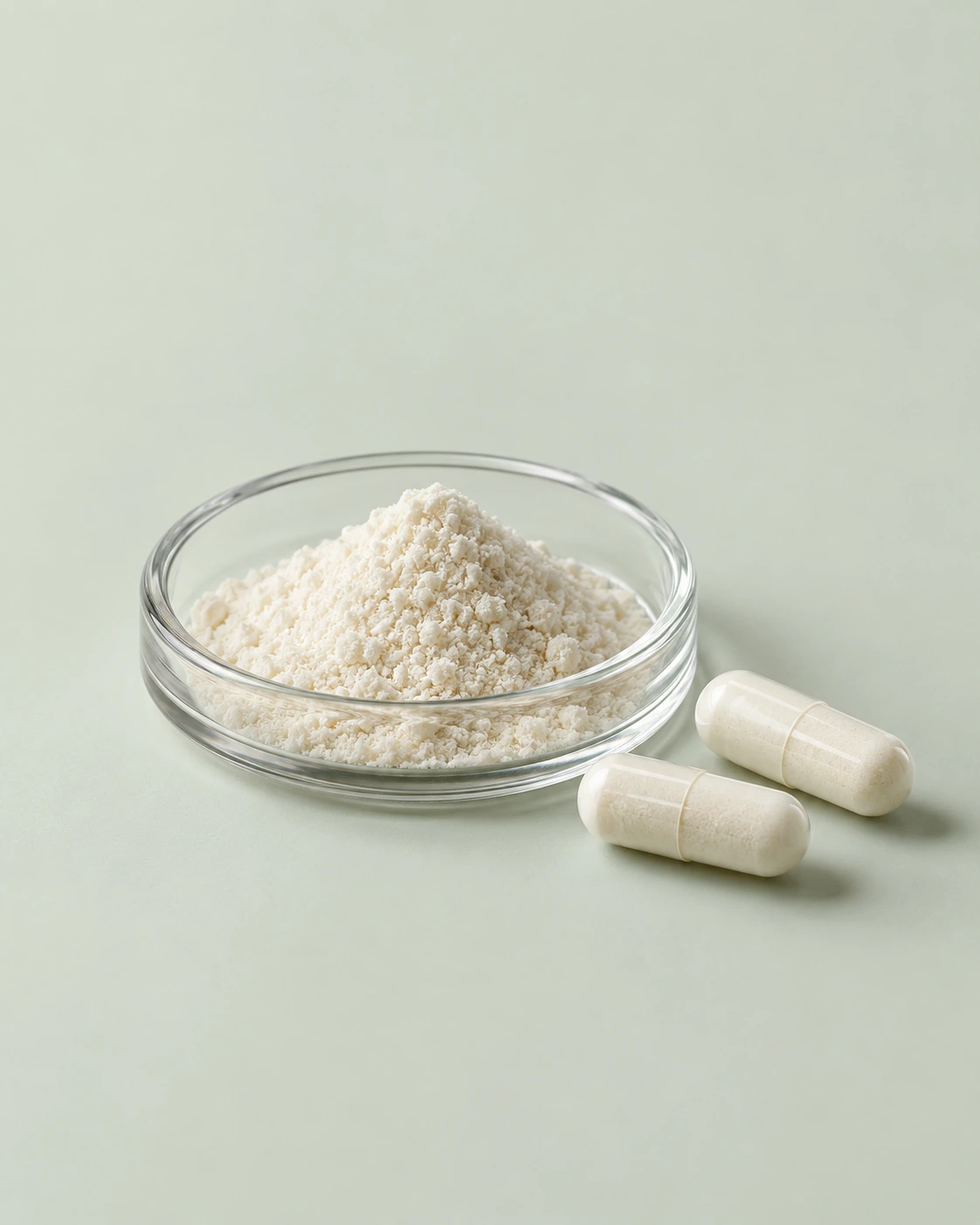
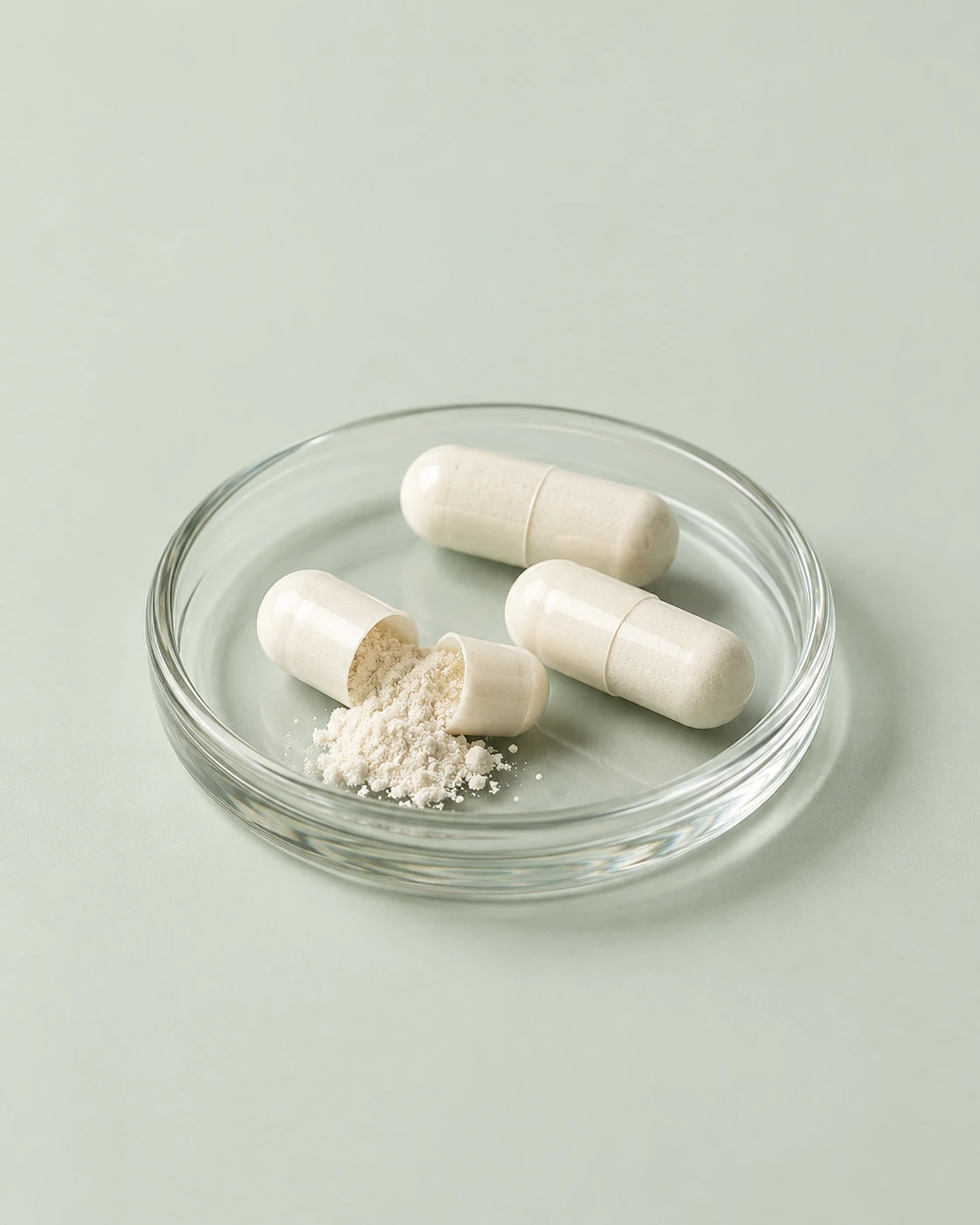
Trials suggest short-term symptom relief. They studied enteric-coated capsules, designed to release their contents after passing through the stomach, so the findings do not automatically apply to tea or drops. Heartburn and belching are possible drawbacks. 2
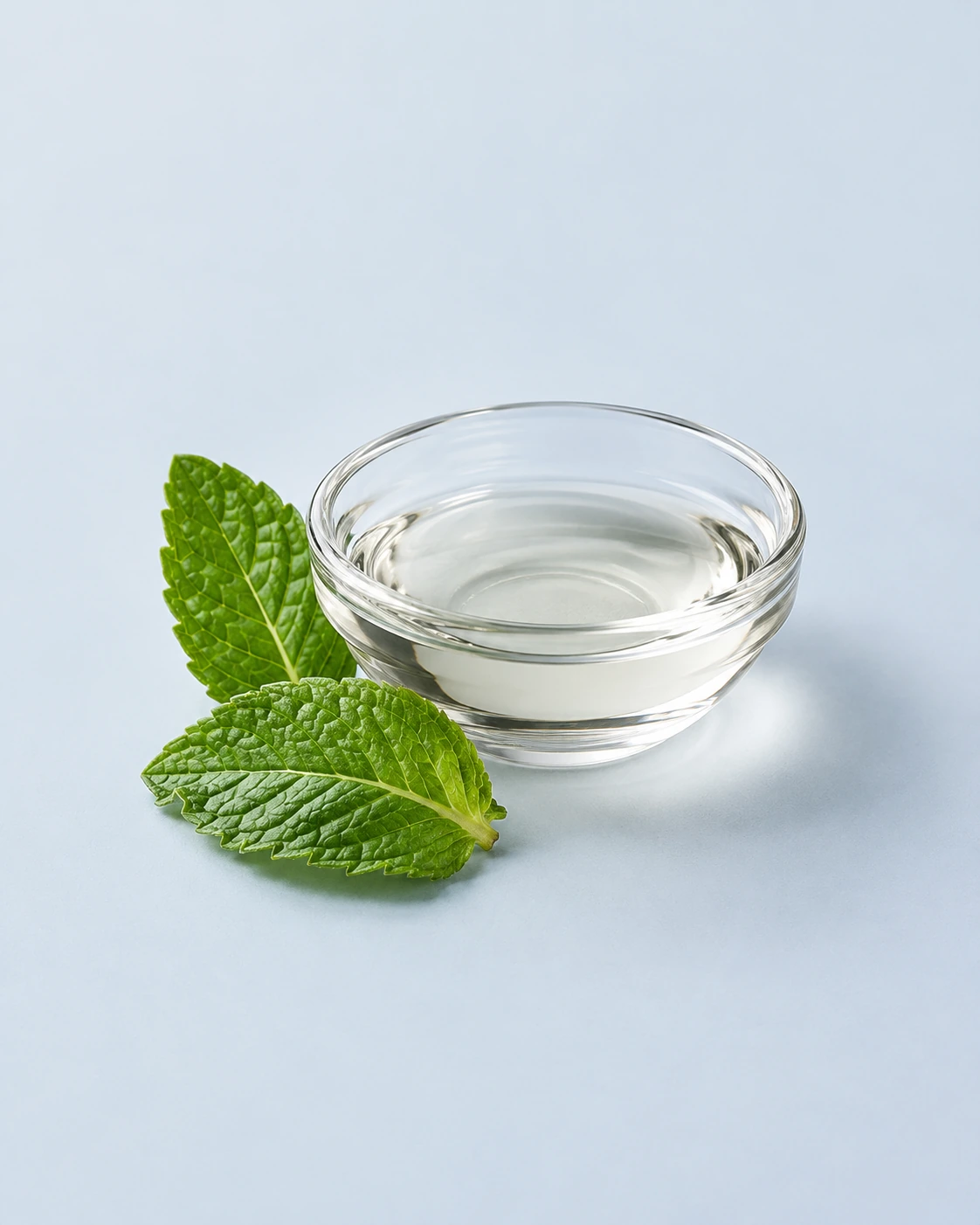 Peppermint oilMixed
A possible option for IBS, rather than evidence of benefit for every digestive complaint. 2 4
Probiotics are not one treatment
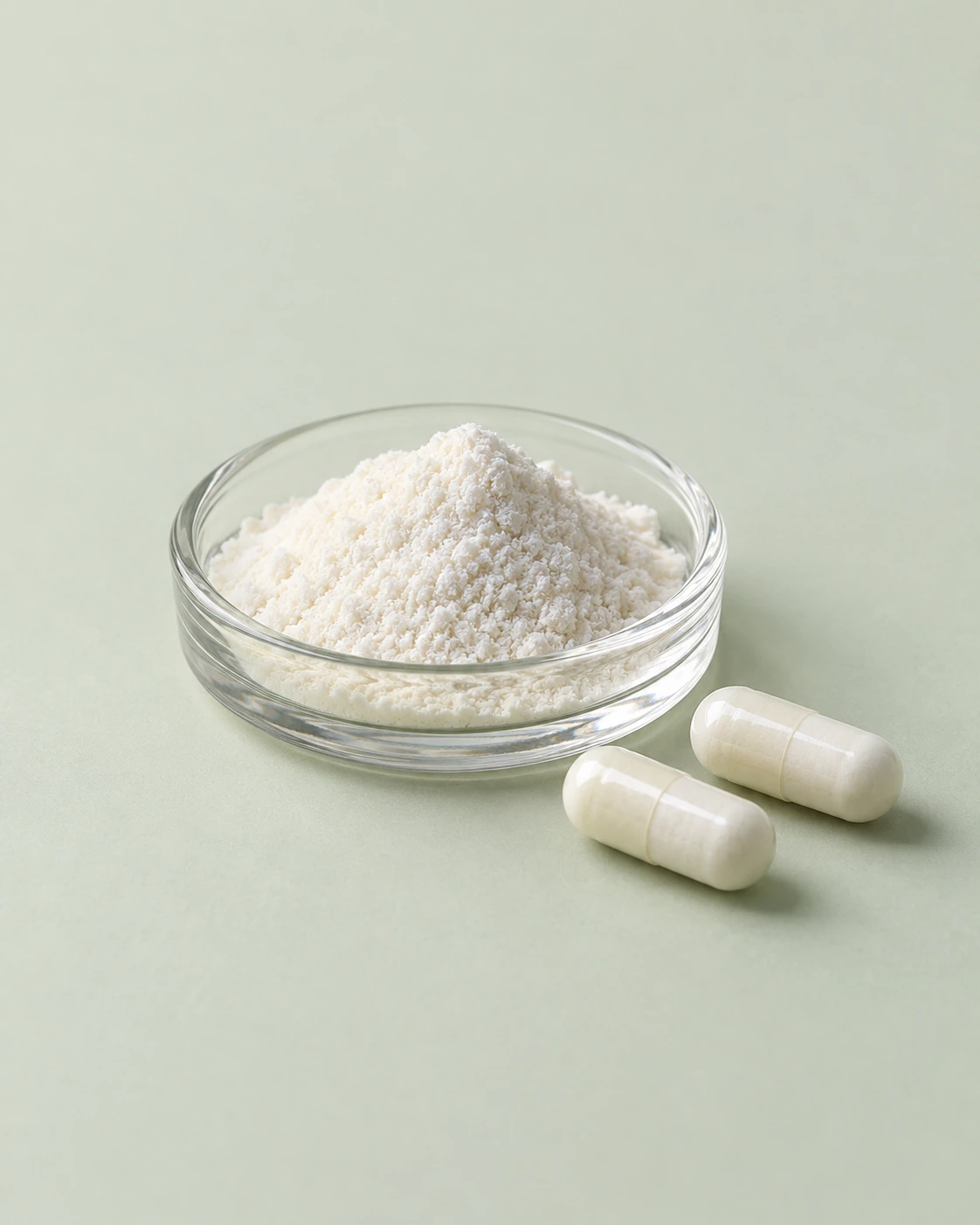
Some trials show improvement in IBS, but the most useful strains and doses remain uncertain. A result for one organism cannot be applied to every Lactobacillus or Bifidobacterium product. 2 5
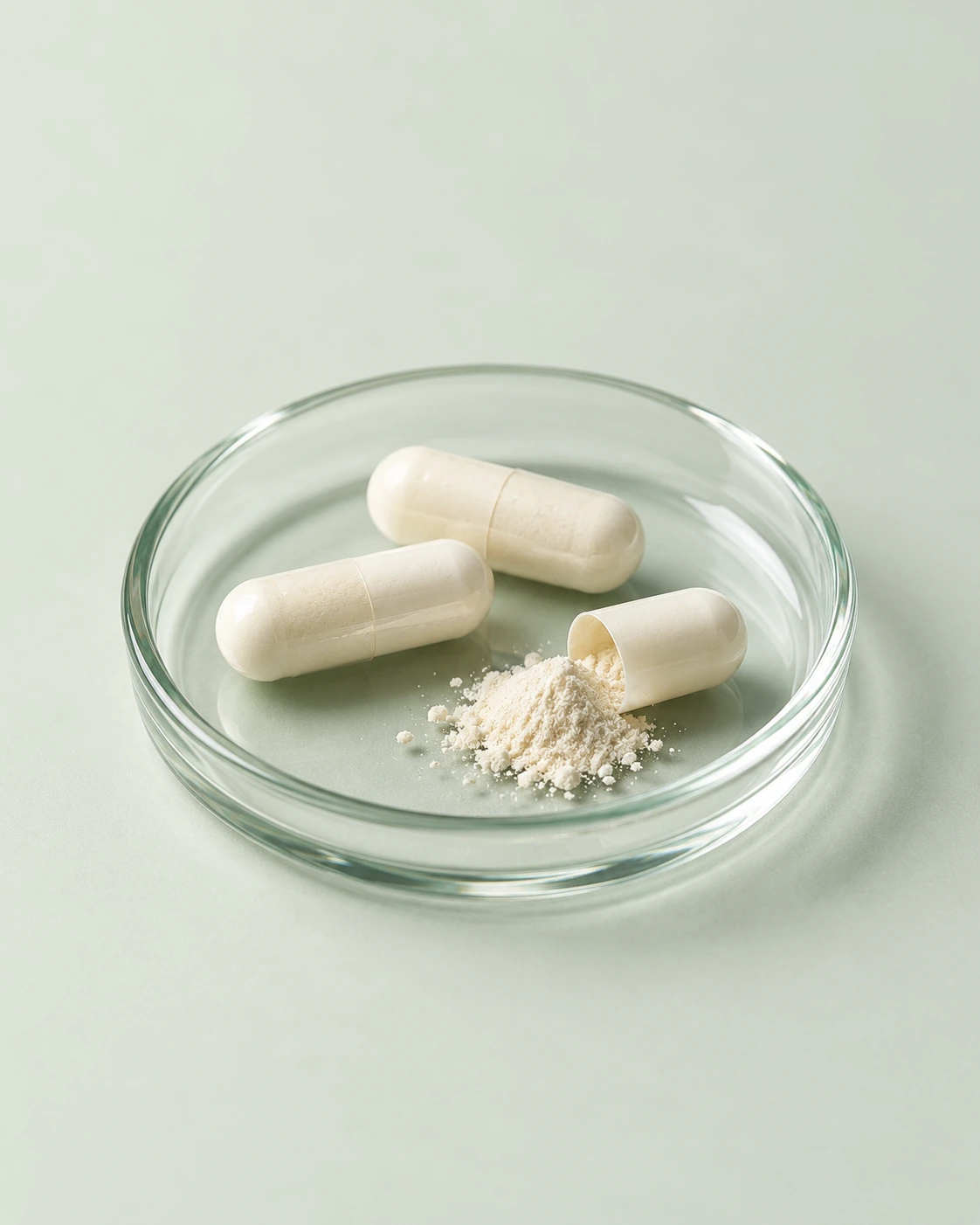 ProbioticsMixed
Some preparations may help some people; the evidence does not identify a universal product. 5
 Prebiotics
What can dietary adjustment offer?
A temporary low-FODMAP diet reduces certain carbohydrates that are difficult to digest. NIDDK describes trying it for a few weeks, then gradually reintroducing tolerated foods. A dietitian can help turn that trial into a workable eating pattern. 3
When probiotics require extra care
Risks are greater in people who are severely ill or have weakened immune systems. NCCIH reports infections among potential harms and emphasizes limited safety data. Self-treatment with a live organism is not a routine low-risk choice in these situations. 5
Scope of this review
Other listed botanicals, enzymes, and peptides are not evaluated here.
Questions people ask
Does everyone need probiotics?
Effects depend on the preparation and the condition studied, not a recommendation for everyone. 5
Are prebiotics the same thing?
No. They are nondigestible food components that encourage certain microorganisms. 5
Does peppermint tea work like a capsule?
The cited trials tested capsules; other preparations cannot be judged from those results. 2
Must a low-FODMAP diet be permanent?
NIDDK describes a trial followed by reintroduction of tolerated foods. 3
Sources
- Reizdarmsyndrom IQWiG