
Gingerol
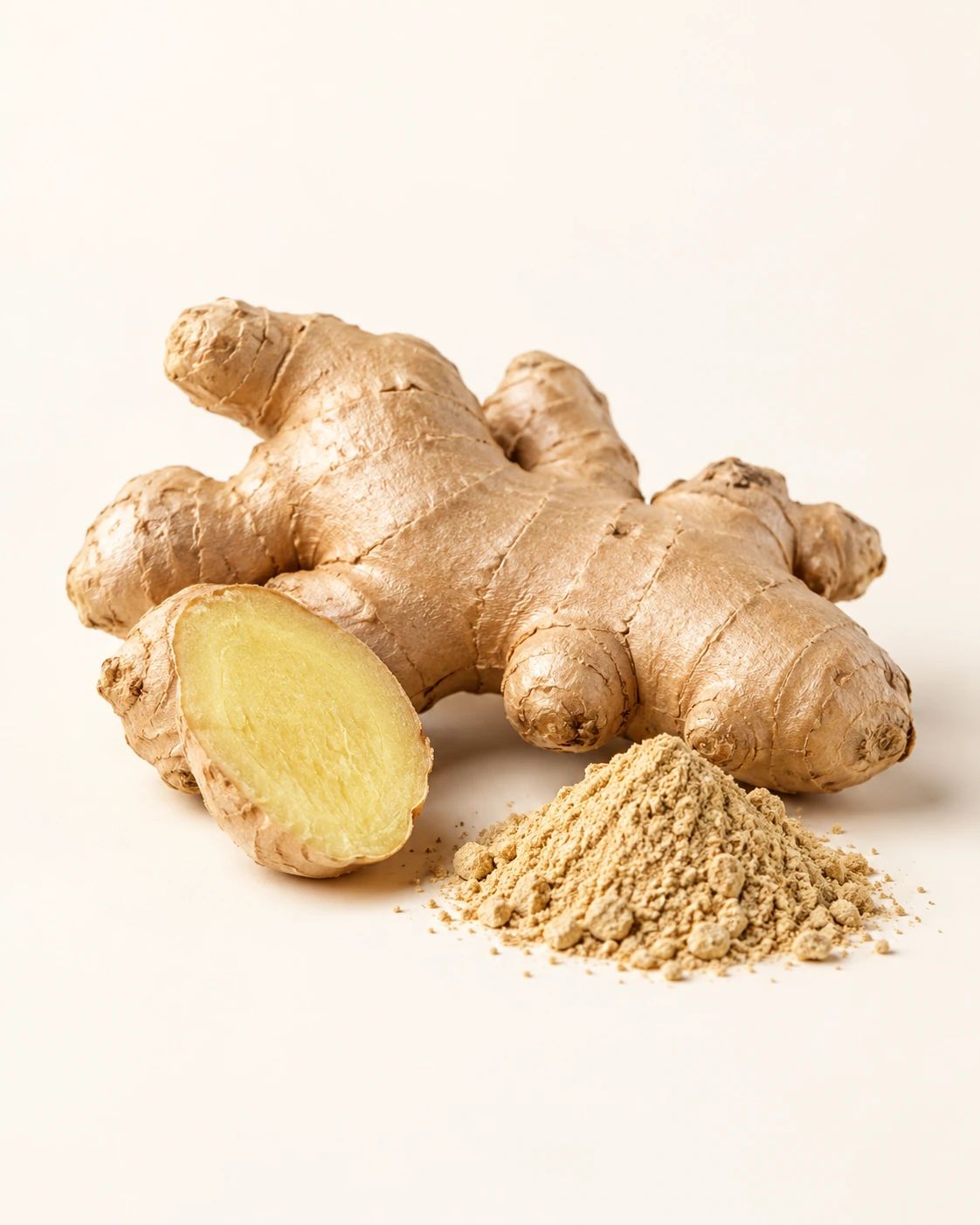
Gingerols are pungent constituents of ginger, found alongside related compounds such as shogaols.
What it is studied for
The strongest rated effects first. Bars show the size of the effect, the letter grades the evidence, and each rating lists the studies behind it.
What is gingerol?
Gingerols are pungent constituents of ginger, alongside compounds such as shogaols. Studies of these compounds examine inflammation and antioxidant signaling, but laboratory activity and a health benefit in people are different questions. 1
Key studies
The most recent publications linked to Gingerol's ratings.
Why people take it
SuppCo community snapshot, 2026-09-28. Reasons for use are not evidence that it works.
Questions people ask
Is gingerol the same as ginger?
No. It is one group of constituents within ginger; the whole plant preparation contains other compounds too. 1
Does 77% response mean nobody felt nauseated?
No. The trial’s complete-response measure meant no vomiting and no rescue medication, rather than the absence of all nausea. 2
Does it strengthen immunity?
Laboratory research explores immune signaling, but the cited review calls for further human research. A useful immune effect cannot be inferred from a laboratory pathway alone. 1
 Ginger