
Hesperidin
Hesperidin is a flavonoid that occurs naturally in citrus fruit, especially in the peel.
Also listed as hesperitin-7-O-rutinoside, Hesperitin glycoside, glucosyl hesperidin, Vitamin P
What it is studied for
The strongest rated effects first. Bars show the size of the effect, the letter grades the evidence, and each rating lists the studies behind it.
What is hesperidin?
Hesperidin occurs naturally in citrus fruit, including peel and juice. Glucosyl hesperidin is an enzymatically modified ingredient, so its safety assessment and absorption characteristics should not automatically be assigned to every product called hesperidin. 1
Key studies
The most recent publications linked to Hesperidin's ratings.
Why people take it
SuppCo community snapshot, 2026-09-28. Reasons for use are not evidence that it works.
Questions people ask
Can food supply hesperidin?
Yes. Citrus fruit, including its juice and peel, naturally contains it. 1
Does it reliably lower blood pressure?
The cited cardiovascular meta-analysis found no overall reduction. 2
Does lower CRP mean an inflammatory illness is treated?
No. The review measured biomarkers; it did not establish treatment of inflammatory disease. 3
Related nutrients
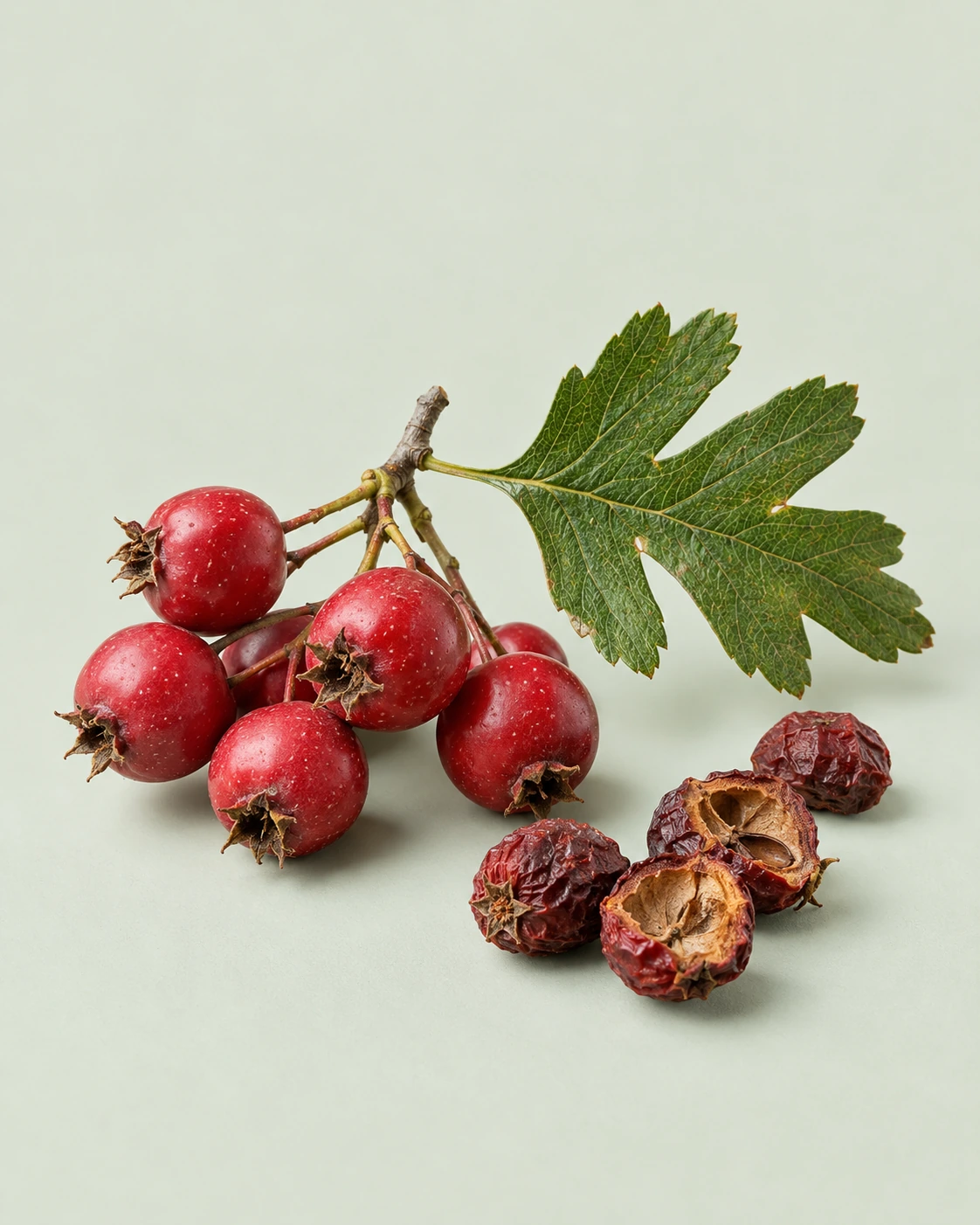 Hawthorn
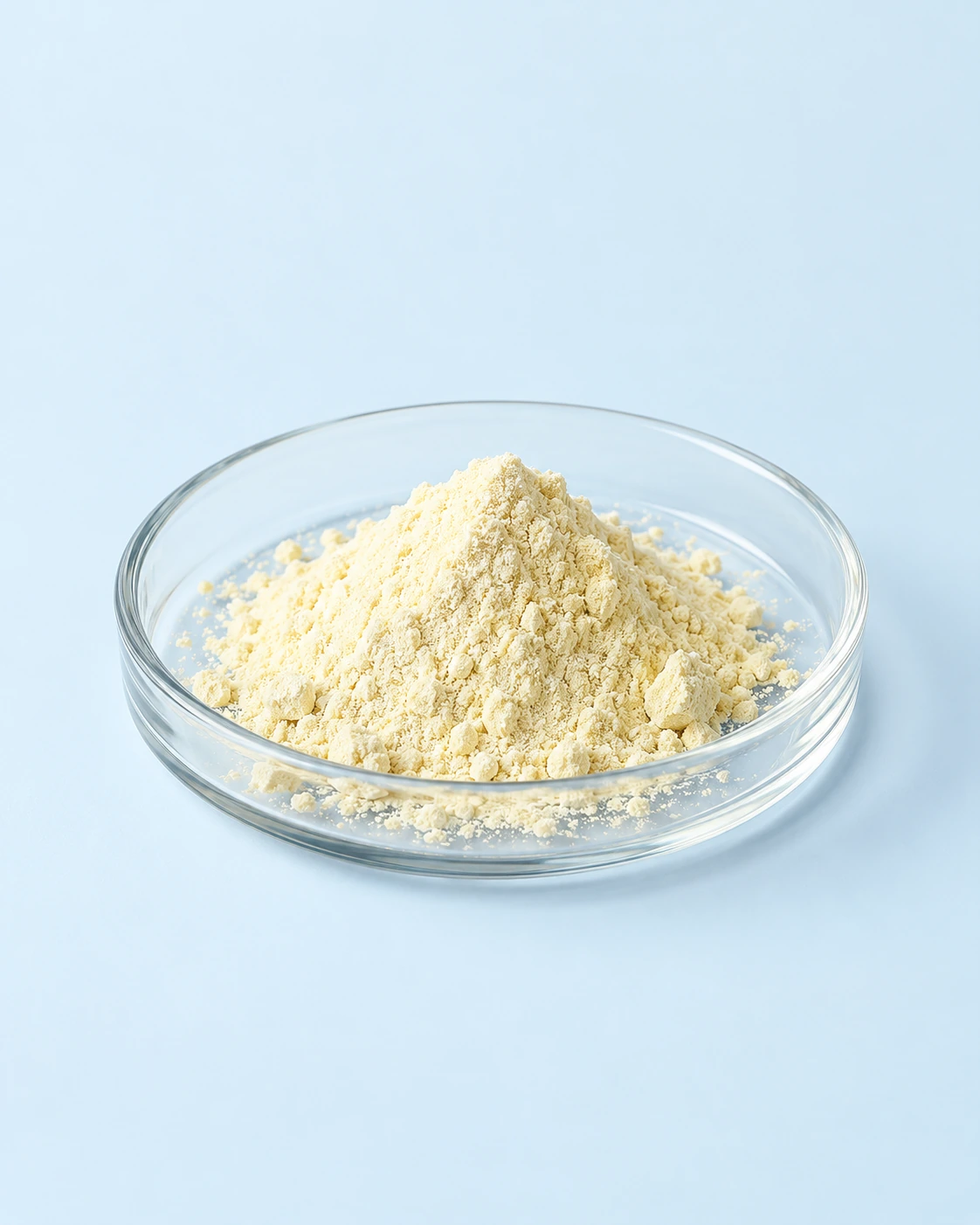 Hesperetin
Sources
- Effects of Citrus Flavanone Hesperidin Extracts or Purified Hesperidin Consumption on Risk Factors for Cardiovascular Disease Current Developments in Nutrition, 2023
- Effects of hesperidin supplementation on inflammation and oxidative stress in overweight or obese individuals Frontiers in Nutrition, 2026