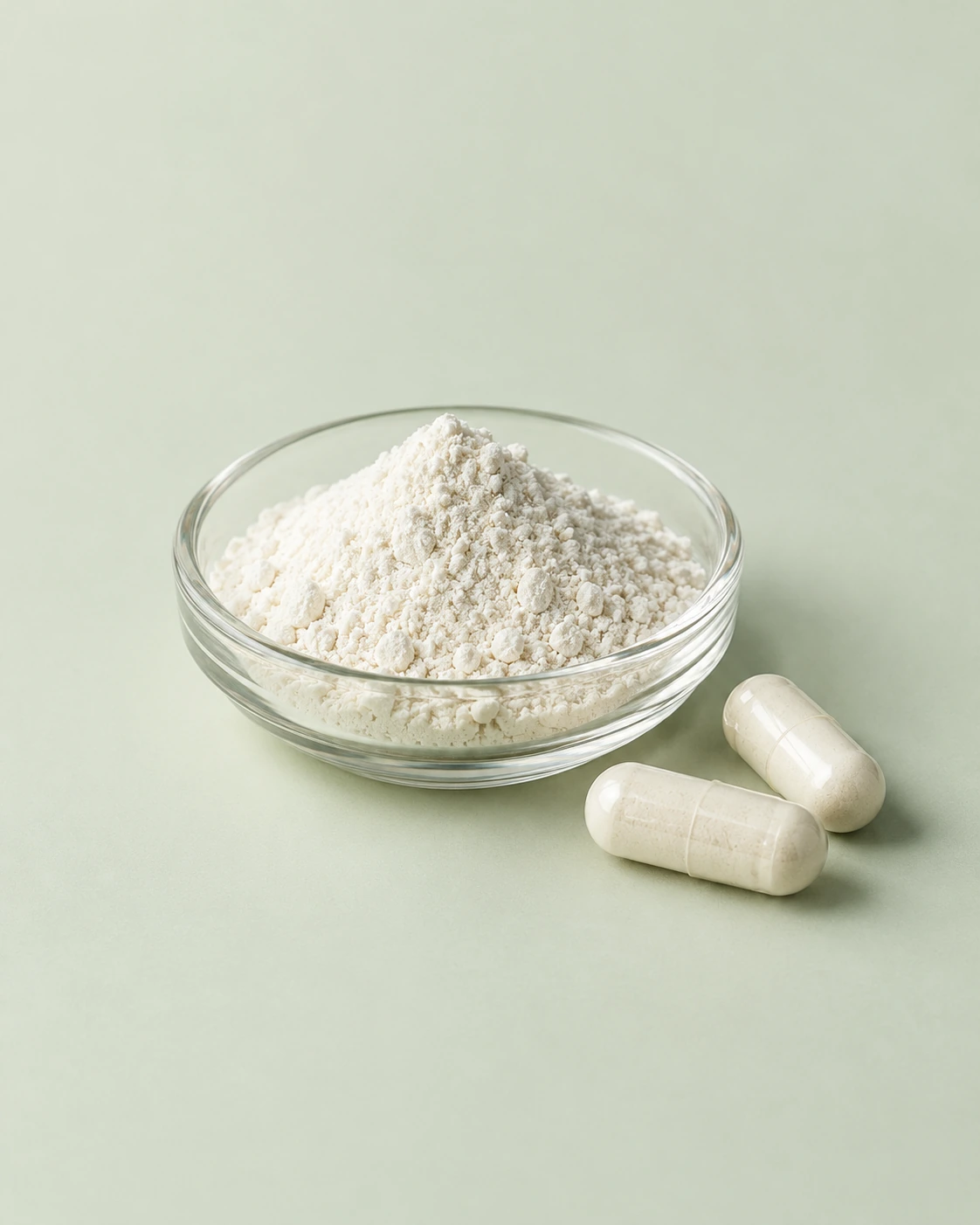
Zinc
Zinc is an essential trace mineral the body cannot store, so it has to come from food.
What it is studied for
The strongest rated effects first. Bars show the size of the effect, the letter grades the evidence, and each rating lists the studies behind it.
What is zinc?
Zinc is an essential mineral. It is naturally present in some foods, added to others and sold as a dietary supplement. It is also found in some cold lozenges, over-the-counter cold remedies and some denture adhesive creams. 1
The body holds about 1.5 g of zinc in women and 2.5 g in men, most of it in skeletal muscle and bone. The balance is kept through absorption from food, excretion into the gut and reabsorption there. 1
What does zinc do in the body?
Hundreds of enzymes need zinc to work. It plays a role in immune function, protein and DNA synthesis, wound healing, and cell signaling and division. It supports growth during pregnancy, infancy, childhood and adolescence, and it is involved in the sense of taste. 1
A review of the basic science estimates that zinc is a component of about 10% of all human proteins. Lab studies show antiviral activity through several mechanisms, but the authors note that much remains to be learned about the clinical benefit of supplements for viral infections. 2
As zinc intake rises, the body absorbs more in total but a smaller share of what is eaten. 1
Who is likely to run short of zinc?
Most people in the United States get enough zinc, although older adults are more likely to have marginal intakes. Deficiency is much more common in low- and middle-income countries; one estimate puts about 17% of the world population at risk. 1
Groups at higher risk include people with gastrointestinal disorders such as inflammatory bowel disease or celiac disease, people who have had bariatric surgery, vegetarians and vegans, pregnant and breastfeeding women, exclusively breastfed infants older than 6 months, children with sickle cell disease and people with alcohol use disorder. 1
Deficiency can delay growth and cause diarrhea and hair loss in children. It can slow wound healing, affect taste and smell, and change cognitive and psychological function in older adults. 1
Can a blood test show zinc status?
Serum or plasma zinc is the usual test, with typical values of 80 to 120 mcg/dL in healthy people. The result shifts with age, sex, time of day, infection and weight loss, and it does not always track dietary or supplemental intake. Clinicians therefore also weigh risk factors and signs of deficiency. 1
What is zinc mainly studied for?
The best-studied questions are the common cold, childhood diarrhea and pneumonia in countries where deficiency is common, and age-related macular degeneration. Smaller bodies of research cover type 2 diabetes, blood lipids, acne, male fertility and blood markers of inflammation. The research tab takes each question separately, because the answers differ. 1 3 4
Key studies
The most recent publications linked to Zinc's ratings.
Why people take it
SuppCo community snapshot, 2026-09-28. Reasons for use are not evidence that it works.
Questions people ask
Does zinc help a cold?
It may shorten a cold that has already started by about two days, mostly in trials of lozenges taken at high doses for short periods. The certainty is low, and zinc does not appear to prevent colds. 3
Is it safe to take zinc every day?
Daily intake within the upper limit is considered safe for healthy adults: 40 mg per day in the US and 25 mg per day in the EU, counting food and supplements together. At 50 mg or more for weeks, zinc can lower copper status. 1 5
Can zinc cause copper deficiency?
Yes, at high intakes over time. Doses of 50 mg or more for weeks can block copper absorption, and long-term overuse of zinc-containing denture creams has caused copper deficiency with neurological symptoms. 1
How do I know if I am low in zinc?
Serum zinc is the usual test, but it is affected by time of day, infection and other factors and does not always reflect intake. Clinicians also look at risk factors such as digestive disease, alcohol use or a plant-based diet. 1
Related nutrients
 Vitamin C
 Selenium
 Copper
 Manganese
Sources
- Zinc: Fact Sheet for Health Professionals (updated January 6, 2026) NIH Office of Dietary Supplements, 2026
- The Role of Zinc in Antiviral Immunity Advances in Nutrition (Read et al.), 2019 · Study record
- Zinc for prevention and treatment of the common cold Cochrane Database of Systematic Reviews (Nault et al.), 2024
- Zinc Intakes and Health Outcomes: An Umbrella Review Frontiers in Nutrition (Li et al.), 2022 · Study record
- Scientific Opinion on Dietary Reference Values for zinc EFSA Panel on Dietetic Products, Nutrition and Allergies, 2014
- Intranasal zinc and anosmia: the zinc-induced anosmia syndrome The Laryngoscope (Alexander & Davidson), 2006
- Anosmia after intranasal zinc gluconate use American Journal of Rhinology (Jafek et al.), 2004