
Anxiety
When do worries need professional attention, and what can supplements realistically offer? A guide to the evidence and the questions worth asking.
When does anxiety become a problem?
Occasional fear can be protective. Persistent, hard-to-control worry that interferes with everyday life can indicate generalized anxiety disorder. Symptoms can include muscle tension, palpitations, stomach discomfort, and trouble sleeping or concentrating. 1
Why can anxiety develop?
There is no single established cause. Physical and psychological factors, stressful experiences, family susceptibility, and other mental health conditions may contribute. Sometimes no obvious trigger is found. 1
How is it assessed?
Diagnosis requires a detailed professional interview. Clinicians assess the duration, controllability, physical symptoms, and impact of anxiety. Overactive thyroid, medicines, and stimulant drugs can produce similar physical symptoms, so these alternatives also matter. 2
Nutrients with the strongest ratings
Sorted by the largest rated effect. Bars show effect size, the letter is the evidence grade.
All 45 ratingsEvery nutrient rated for anxiety, with search
Which supplements have human evidence?
The review below covers selected preparations, rather than every nutrient listed for anxiety.
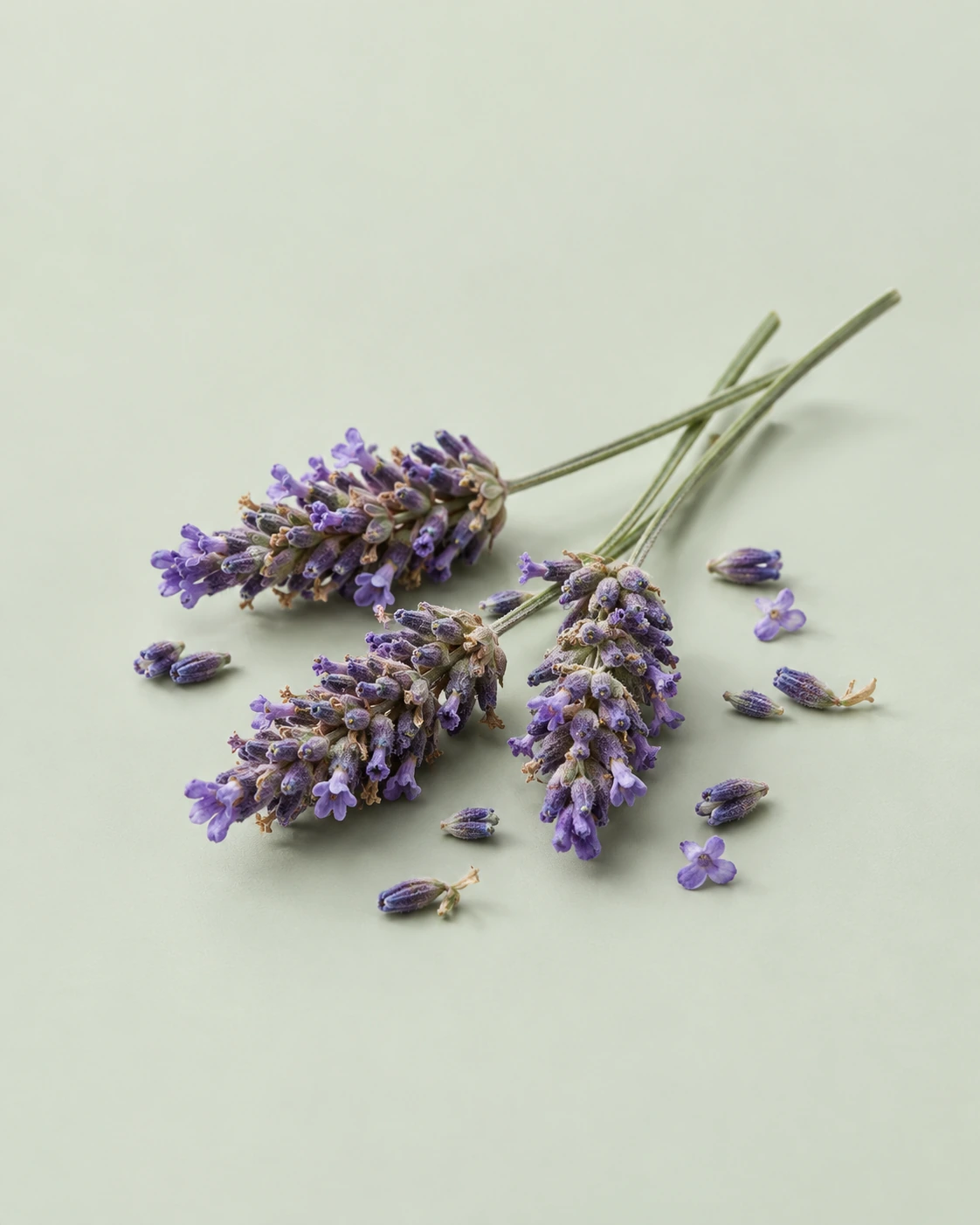 Oral lavender oilToo little evidence
A 2019 review found lower anxiety scores with Silexan, a specific oral lavender oil preparation, at 80 mg daily for at least six weeks. Most included trials had a high risk of bias. Results do not establish that every lavender product works; massage studies could not separate the oil effect from massage. 3
 ChamomileToo little evidence
Small studies in generalized anxiety disorder are preliminary. A review of three trials found no significant reduction in situational anxiety. 4
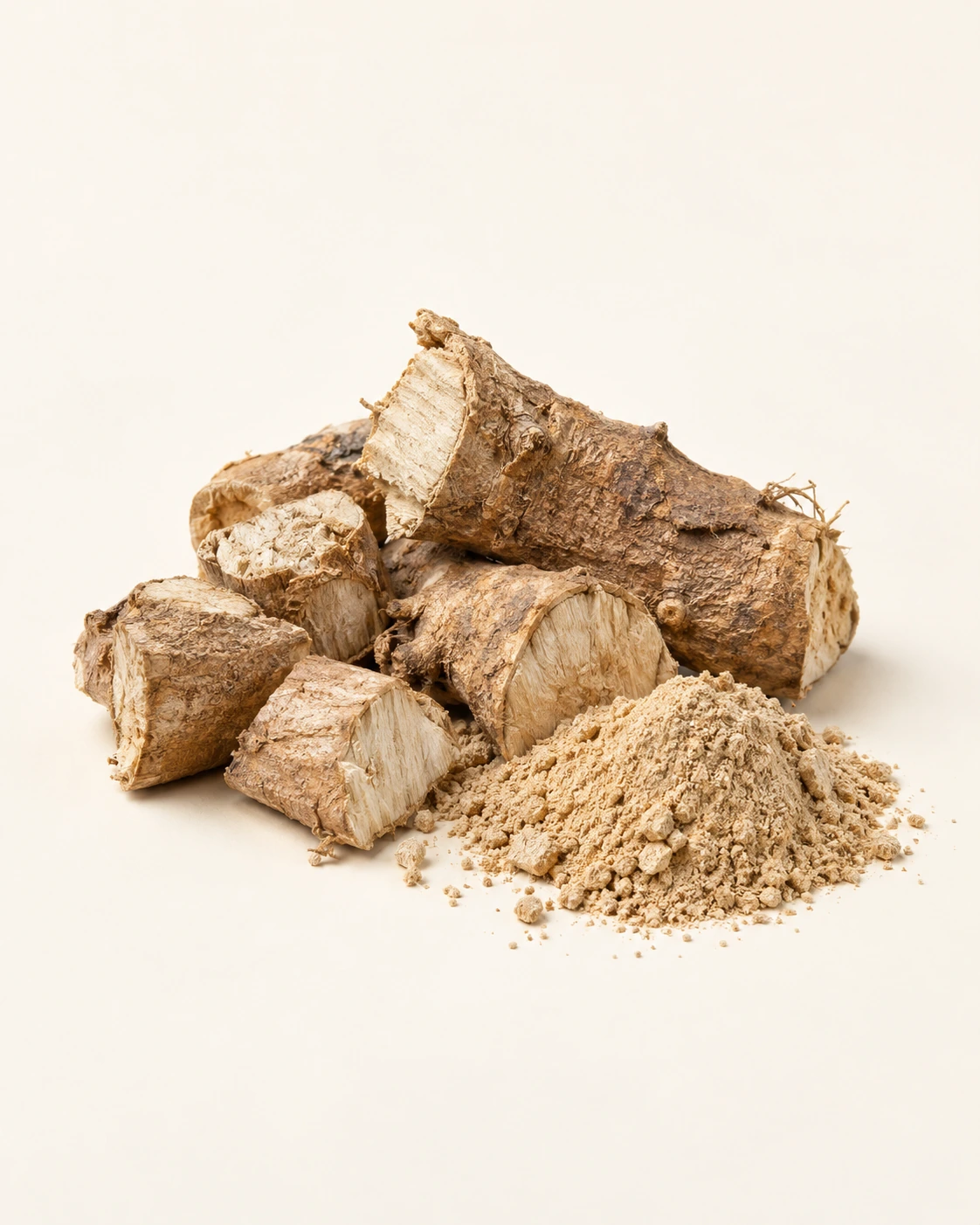 KavaToo little evidence
There may be a small anxiety benefit, but reported severe liver injury is a major safety concern. Evidence of benefit is not a reason to ignore this risk. 4
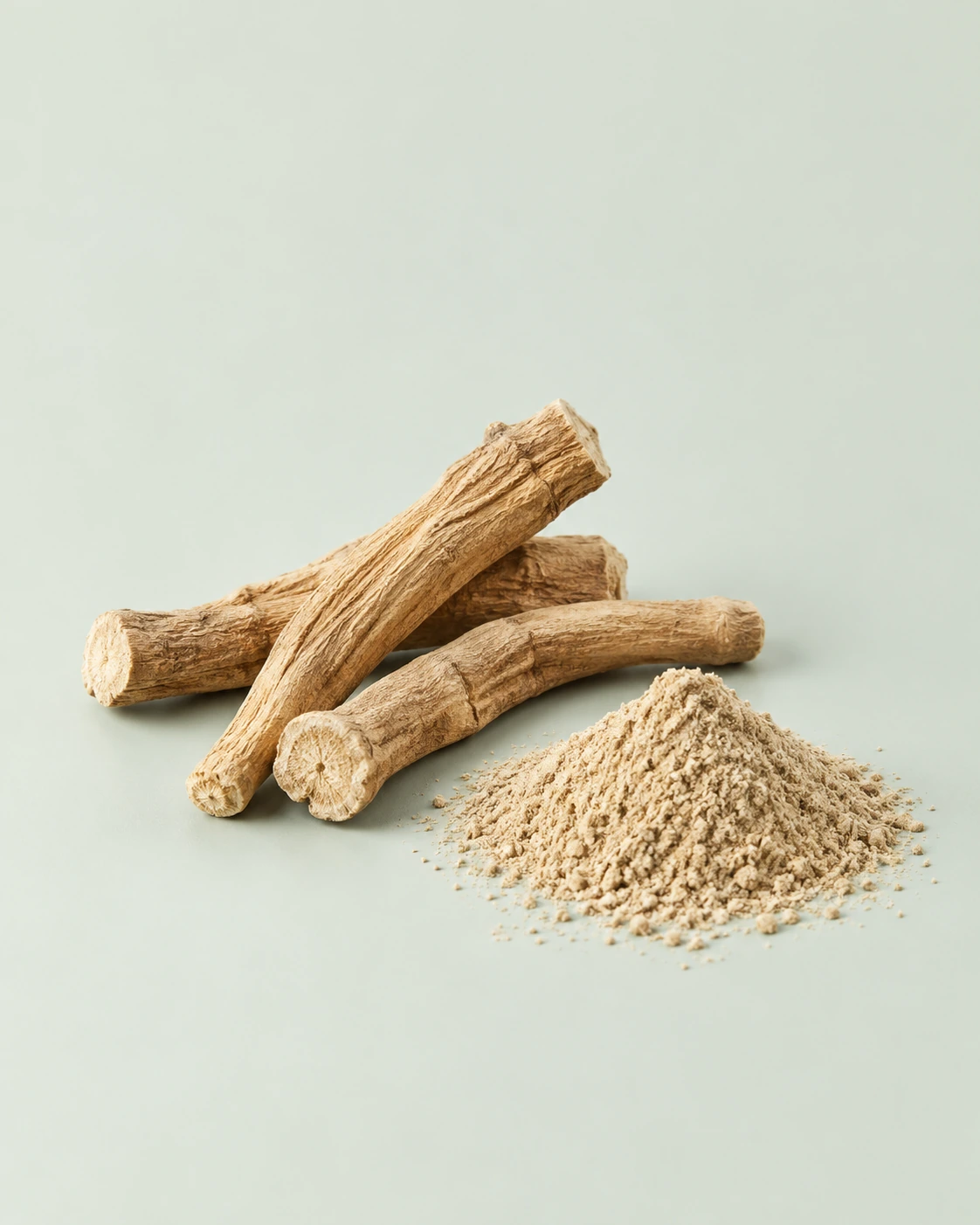 AshwagandhaToo little evidence
Evidence for anxiety remains unclear, even though some preparations may help stress or insomnia. Small studies and differing preparations limit interpretation. 5
What has a stronger treatment basis?
IQWiG identifies cognitive behavioral therapy as the best-studied psychotherapy for generalized anxiety disorder. Certain antidepressants can also help. Herbal self-treatment can delay effective care; persistent anxiety that disrupts life deserves professional assessment. 6
What safety issues matter?
Ashwagandha can cause drowsiness and digestive symptoms, and rare liver injuries have been reported. NCCIH advises against use in pregnancy, breastfeeding, and thyroid or autoimmune disorders, and notes interactions with sedatives and other medicines. 5
Questions people ask
Is everyday worry an anxiety disorder?
Not necessarily. Persistent, uncontrollable worry with impaired everyday functioning is more concerning than occasional fear. 1
Does a supplement replace therapy?
The evidence for herbal products is limited. Cognitive behavioral therapy and selected medicines have an established role in generalized anxiety disorder. 6
Does lavender aromatherapy work like capsules?
The routes are not interchangeable in the research. The 2019 review found heterogeneous inhalation studies and uncertain oil-specific effects during massage. 3
Is kava a harmless natural option?
No. Kava has been linked to severe liver injury despite possible anxiety relief. 4
Sources
- Generalisierte Angststörung: Symptome und Therapie Bundesministerium für Gesundheit