
Metabolism
What would a better metabolism actually mean? Separate calorie burning from blood sugar control, and compare the evidence behind supplement claims.
A metabolism is more than a calorie counter
Metabolism is how the body uses energy from food to keep its functions running, including breathing, thinking and temperature control. A small rise in calorie expenditure does not necessarily produce meaningful weight loss. That is why a claim to “boost metabolism” needs a more specific question behind it. 1
Which result are you trying to change?
Supplement trials measure different things: body weight, waist circumference, blood glucose or blood pressure. HbA1c reflects longer-term blood glucose control. These outcomes are not interchangeable: a product that lowers glucose has not thereby been shown to increase calorie burning or improve every aspect of metabolic health. 2 3 4
When “slow metabolism” has a medical explanation
An underactive thyroid produces too little thyroid hormone and can slow metabolic processes. Fatigue, constipation, cold sensitivity and mild-to-moderate weight gain can occur, but these symptoms have other possible causes too. Diagnosis relies on assessment and blood testing, not a guess based on how easily weight changes. 5
A supplement label is not a diagnosis
Thyroid hormone replacement usually relieves symptoms caused by an underactive thyroid. Separately, NIH ODS advises discussing weight-loss supplements with a clinician, particularly with diabetes, high blood pressure, or heart or liver disease. The relevant question is which condition or measured outcome needs attention. 5 6
Nutrients with the strongest ratings
Sorted by the largest rated effect. Bars show effect size, the letter is the evidence grade.
Berberine: glucose findings are clearer than weight-loss claims
A 2023 meta-analysis of 20 placebo-controlled trials included 1,761 people. Berberine lowered fasting glucose; across 18 trials the mean difference was 0.52 mmol/L. Effects were larger in participants with diabetes, and subgroup findings need replication. This is evidence about glucose regulation, not proof of a faster metabolism in healthy people. 2
The limits belong beside the benefit
NCCIH considers the evidence for berberine and weight loss inconclusive because study results vary and many studies have substantial bias. Gastrointestinal effects and drug interactions, including with cyclosporine, matter. It may be unsafe during pregnancy and breastfeeding and is unsafe for infants. 7
L-carnitine: some markers changed, others did not
A 2020 meta-analysis pooled nine trials using 0.75–3 g/day for 8–24 weeks. Waist circumference and systolic blood pressure improved, but fasting glucose, triglycerides and HDL cholesterol did not improve significantly overall. More favorable dose-subgroup results cannot substitute for that overall pattern. These are studied doses, not a personal regimen. 3
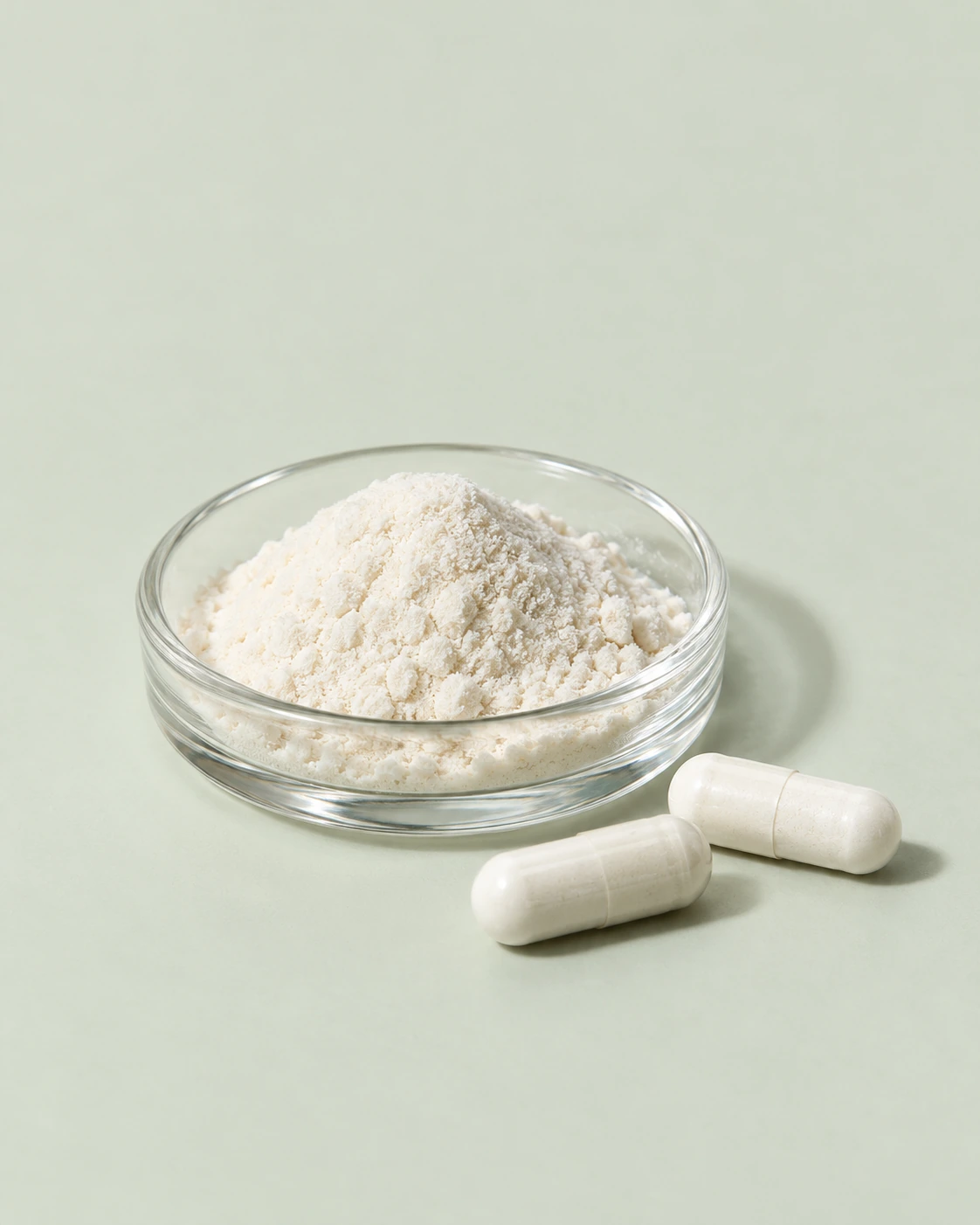 L-carnitineMixed
Mixed changes in metabolic markers; no blanket claim of improved metabolism follows. 3
Chromium is not a reliable shortcut for healthy glucose control
NIH ODS describes inconsistent diabetes trials and small average changes of unclear clinical importance. Chromium has not helped regulate glucose in healthy people. Its status as a nutrient is also more complicated than labels suggest: EFSA found no convincing evidence that it is essential and did not set intake recommendations. 4
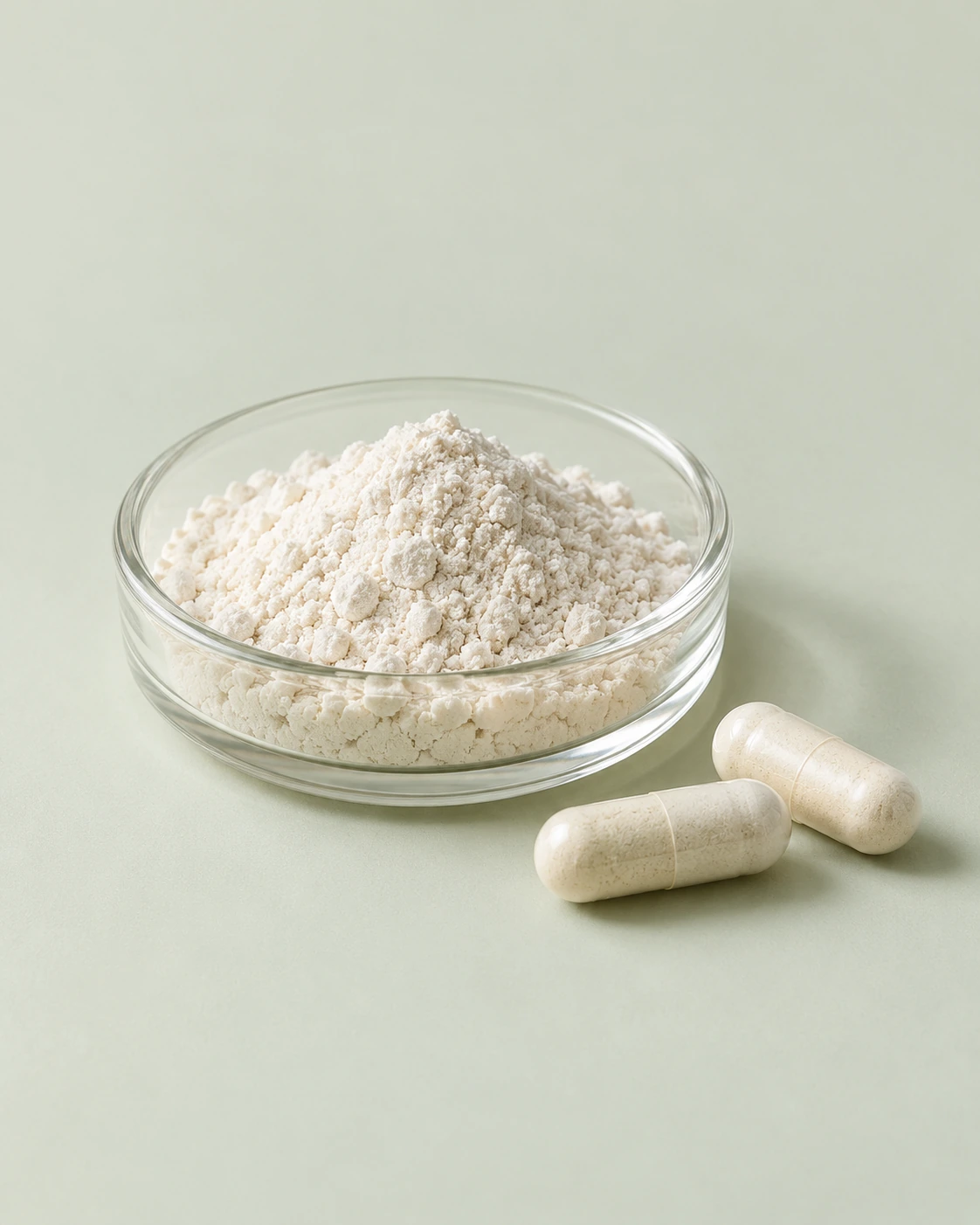 Chromium
Green tea extract offers little weight benefit and real trade-offs
NIH ODS concludes that any weight effect from green tea preparations is small and unlikely to be clinically important. Extracts have also been linked to liver injury. Drinking tea and taking a concentrated extract are different exposures; a favorable image of the beverage does not establish the supplement’s safety. 6
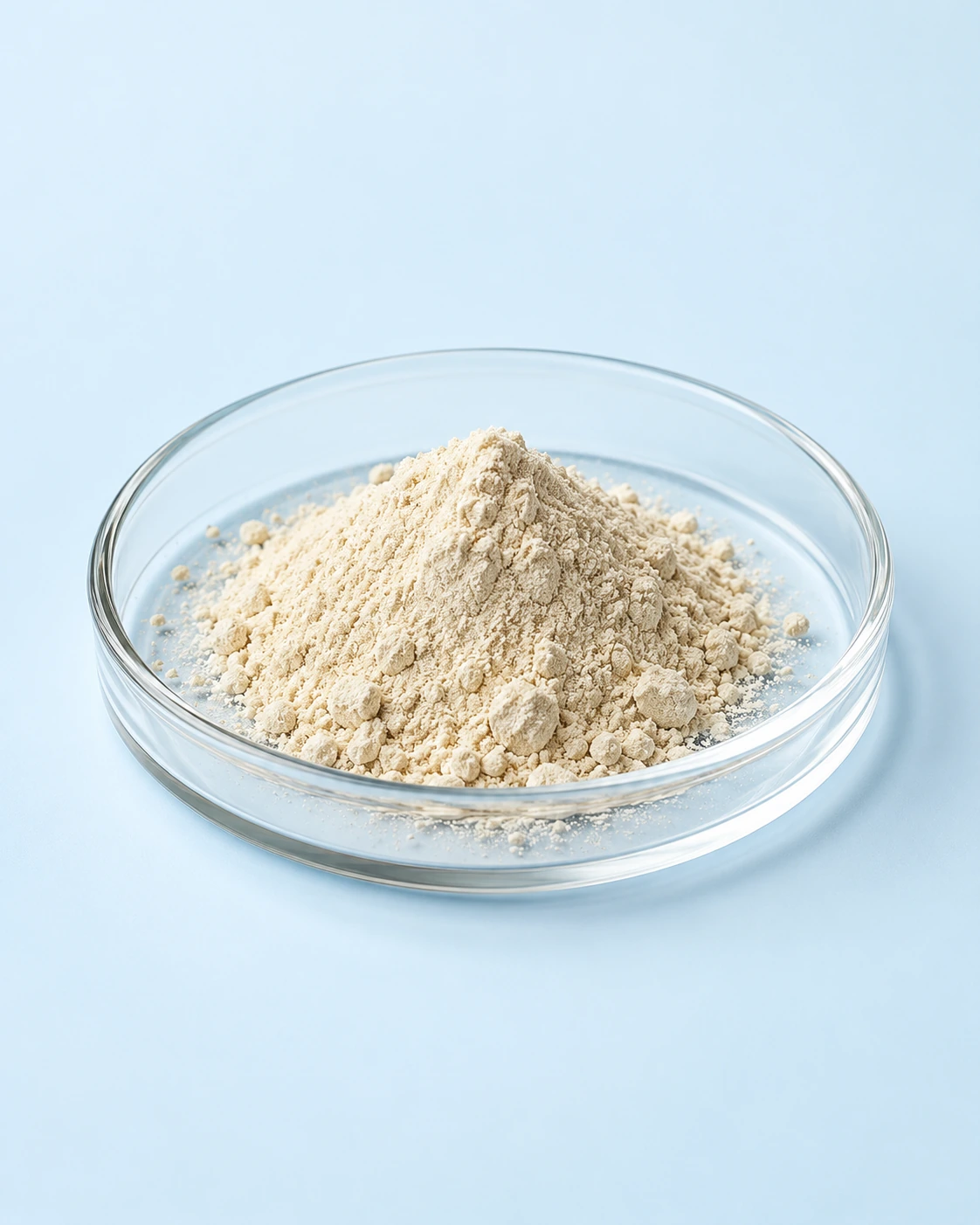 Green tea catechinsMixed
Small or inconsistent weight effects do not make a compelling case for a metabolic booster. 6
Useful habits do not need a “boost” promise
Physical activity increases energy use while you move; building muscle changes resting expenditure only modestly. There is little evidence that frequent small meals accelerate metabolism. Food choices, portions, activity and enough sleep remain more useful areas to consider than expecting a special food to burn substantial extra calories. 1
What this page covers
This review covers berberine, L-carnitine, chromium and green tea catechins. Other directory substances, including hormones, peptides and botanical mixtures, are outside its scope.
Questions people ask
Does lower blood sugar mean a faster metabolism?
No. Glucose control and energy expenditure are different outcomes; the berberine trials here studied glucose-related measures. 2
Can small meals speed up metabolism?
There is little scientific evidence that eating more frequently increases metabolic rate. 1
Does berberine reliably cause weight loss?
NCCIH considers the evidence inconclusive because of inconsistent results and study limitations. 7
Do all L-carnitine metabolic markers improve?
No. In the review discussed here, fasting glucose, triglycerides and HDL did not improve significantly overall. 3
Could weight gain and feeling cold be a thyroid problem?
They can occur with an underactive thyroid, but are not diagnostic. Symptoms and blood tests need to be considered together. 5
Sources
- Can you boost your metabolism? MedlinePlus
- Schilddrüsenunterfunktion gesund.bund.de