
Alpha-Ketoglutarate
Alpha-ketoglutarate is an intermediate of the citric acid cycle, the pathway cells use to produce energy. The body makes it itself.
What it is studied for
The strongest rated effects first. Bars show the size of the effect, the letter grades the evidence, and each rating lists the studies behind it.
What does AKG do in the body?
Alpha-ketoglutarate, or AKG, is a substance the body produces during the citric acid cycle, a central pathway in cellular energy metabolism. It also participates in amino-acid metabolism and helps enzymes that modify DNA and its associated proteins. Having these roles does not itself establish a benefit from taking extra AKG. 1
Why is it being studied for aging?
Cell and animal studies connect AKG with inflammation, nutrient sensing and changes in gene regulation. These findings make supplementation a plausible research question. The review emphasizes that human evidence remains limited and that dose and long-term safety still need investigation. 1
Why people take it
SuppCo community snapshot, 2026-09-28. Reasons for use are not evidence that it works.
Questions people ask
Is AKG an essential vitamin?
No. It is a metabolite produced within the body. 1
Does a lower biological-age score mean longer life?
The cited human study measured a DNA-based age estimate, not lifespan. It cannot answer that question. 2
Did AKG improve bone density?
The six-month trial found no statistically significant difference in bone density between the AKG-calcium and calcium-only groups. 3
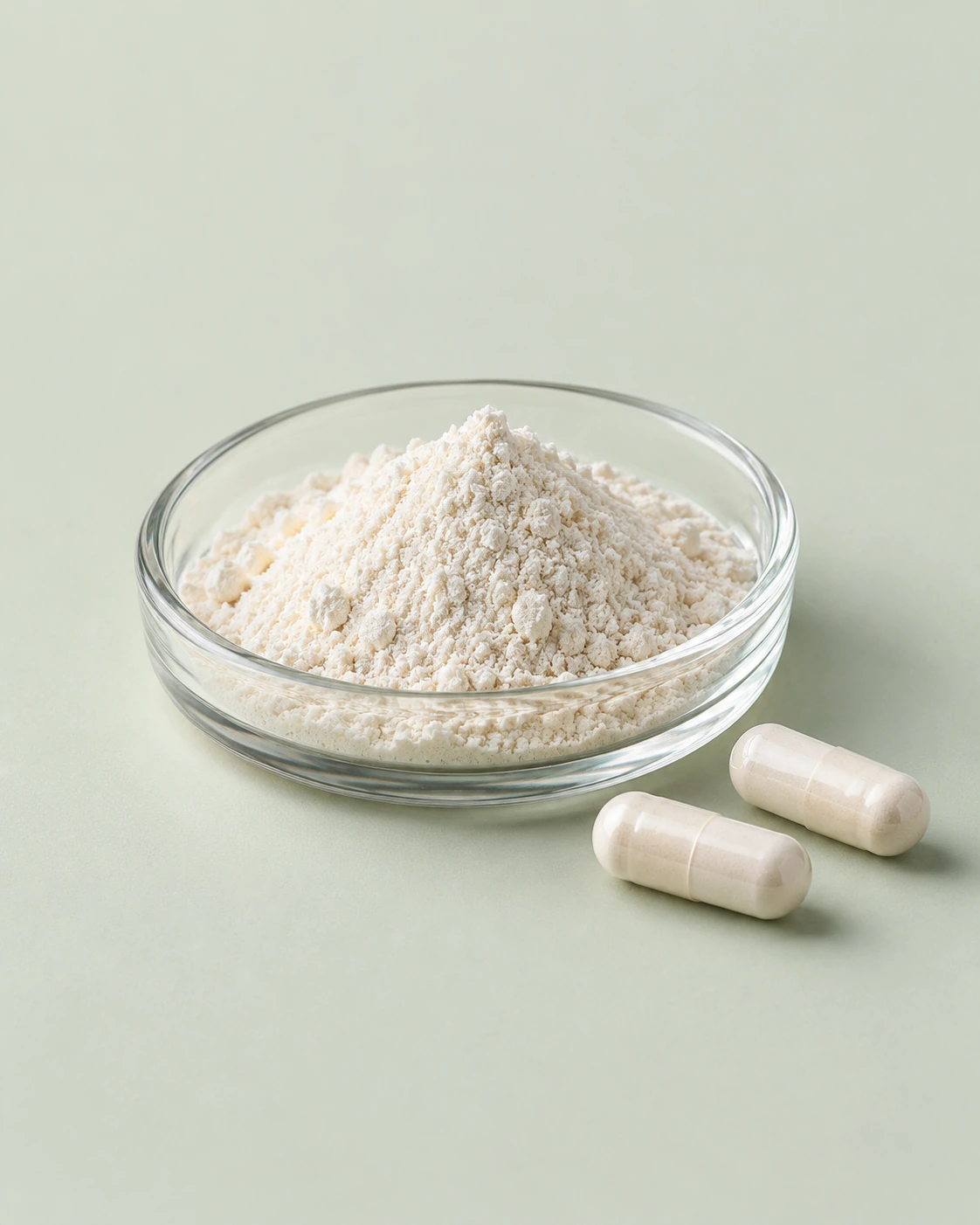 Calcium alpha-ketoglutarate