
Energy Crashes
An energy crash is an everyday term, not a diagnosis: a sudden dip in energy or alertness, often in the mid-afternoon, after a large or sugary meal, or when caffeine wears off. Among the supplements rated for it, only iron has good human evidence, and only in people who are low in iron; most of the rest have small, mixed or no trials that measure tiredness at all.
What is an energy crash?
"Energy crash" is not a medical term. People use it for a sudden drop in energy or alertness during the day. Doctors separate two things that often get mixed up: fatigue, which is weariness, tiredness or low energy and can include a lack of motivation, and drowsiness, which is the urge to sleep. 1
Many dips have everyday explanations, such as the body clock, a carbohydrate-heavy meal, poor sleep, stress or caffeine habits. Tiredness that lasts for weeks, or that comes with other symptoms, can also be a sign of a medical problem such as anemia, an underactive or overactive thyroid, diabetes, sleep apnea or depression. 1 2 3 4 5
Why do I crash in the afternoon?
The mid-afternoon slump, called the post-lunch dip in research, is a real and measurable drop in some kinds of performance. It is linked to a rise in sleepiness at that time of day and is rooted in the body's circadian rhythm. 2
The dip can happen even when people skip lunch and do not know what time it is, so food is not the only cause. A review of the research found that a high-carbohydrate lunch makes it worse, and that it may be more likely in people who are strong morning types. 2
Is the "sugar crash" real?
A 2019 meta-analysis pooled 31 studies with 1,259 participants that gave people carbohydrates or a placebo and then measured mood. Carbohydrates did not improve any aspect of mood at any time point. Within the first hour, people who had carbohydrates reported more fatigue and less alertness than those who had a placebo. 3
So the quick lift that people expect from sugar did not show up in these studies, while a short-lived drop in alertness did. This fits with research on the post-lunch dip, which is stronger after a carbohydrate-heavy meal. 2 3
Is it low blood sugar (reactive hypoglycemia)?
Feeling shaky or tired a few hours after eating is often blamed on low blood sugar. The NHS notes that low blood sugar is rare in people who do not have diabetes, and lists causes such as malnutrition, Addison's disease and a tumor in the pancreas. 6
The Endocrine Society recommends that hypoglycemia be investigated only when three things are documented together: symptoms that fit, a measured low blood glucose, and relief of the symptoms once glucose is raised. Post-meal tiredness on its own does not meet that standard. If you do not have diabetes but get episodes of shaking, sweating, a fast heartbeat or confusion, the NHS advises seeing a doctor. 6 7
Can caffeine cause energy crashes?
Yes, mainly through withdrawal. A review of 57 experimental and 9 survey studies confirmed fatigue, decreased energy, decreased alertness, drowsiness, difficulty concentrating and headache as caffeine withdrawal symptoms. They usually start 12 to 24 hours after the last dose, peak at 20 to 51 hours and last 2 to 9 days, and they appeared even in people who had been taking as little as 100 mg a day. 4
Caffeine can also cost sleep. EFSA found that a single 100 mg dose may affect sleep in some adults when taken close to bedtime, and the NHS notes that caffeine's effects can last up to 7 hours. The NHS suggests cutting down gradually, because stopping suddenly can cause headaches and insomnia. 8 9
When is tiredness a sign of a medical problem?
Ongoing tiredness has many possible medical causes. Health services list these among the most common: 1 5
Iron deficiency anemia causes tiredness, shortness of breath, palpitations and paler skin. Heavy periods and pregnancy are very common causes; blood loss from the gut is another. Iron deficiency without anemia is also listed as a cause of fatigue. 1 10
Can cause extreme tiredness and a lack of energy. People at higher risk include vegans who do not use fortified foods or supplements, people with pernicious anemia, older adults, and people on some medicines such as proton pump inhibitors. 11
Daytime tiredness with loud snoring and gasping or choking at night can point to sleep apnea. Insomnia and narcolepsy are other sleep causes. 1 5
Both an underactive and an overactive thyroid can cause fatigue. In diabetes, tiredness may come with thirst, frequent urination and weight loss. 1 5
Stress, depression, grief and life changes such as caring for a new baby are listed among the common causes of feeling tired all the time. 1 5
Antihistamines, blood pressure medicines, sleeping pills, steroids and diuretics can cause drowsiness or fatigue, as can alcohol and drug use. 1
Fatigue that lasts at least 6 months and does not improve with rest may be chronic fatigue syndrome. Infections, heart failure, kidney and liver disease and cancer can also cause fatigue. 1
When should I see a doctor about tiredness?
The NHS advises seeing a GP if you have felt tired for a few weeks without knowing why, if tiredness is affecting your daily life, or if it comes with other symptoms such as weight loss or mood changes, or someone has told you that you gasp, snort or choke in your sleep. 5
MedlinePlus advises contacting a provider right away if fatigue comes with confusion or dizziness, blurred vision, little or no urine, recent swelling and weight gain, or thoughts of harming yourself. A doctor will usually take a history and may order blood tests for anemia, diabetes, inflammation and infection, plus kidney, liver and thyroid tests. 1
Nutrients with the strongest ratings
Sorted by the largest rated effect. Bars show effect size, the letter is the evidence grade.
All 64 ratingsEvery nutrient rated for energy crashes, with search
How have supplements been studied for energy crashes?
We found no trials that measured "energy crashes" as such. Studies of supplements for this goal measure something nearby: self-rated fatigue scores, performance during long exercise, or blood and muscle markers. When you read about a supplement for energy, it helps to ask which of these was measured, in whom, and for how long. 12 13 14
The ingredients below are the ones in our imported ratings for this effect that have human studies we could check. The verdicts describe what those studies found, not the imported rating.
Which supplements have the best evidence?
Iron is the only supplement with consistent trial evidence for less fatigue, and only in people who are iron deficient. Coenzyme Q10 and ginseng have some positive trials, but the evidence is smaller and less consistent. 12 13 15 16
 IronSupported
Supported, but only for people who are low in iron. A 2018 systematic review of 18 trials (1,170 adults) in people with iron deficiency but no anemia found that iron reduced self-reported fatigue (4 trials, 714 participants), without improving objective measures such as maximal oxygen uptake. In a French primary-care trial, 198 tired, menstruating women with ferritin below 50 µg/L and normal hemoglobin took 80 mg of elemental iron daily or a placebo for 12 weeks; fatigue scores fell by 47.7% with iron and 28.8% with placebo. 12 15
Iron in special groupsIn 40 people with chronic heart failure and iron deficiency, a single intravenous iron infusion improved a marker of muscle energy recovery within 2 weeks. Other research looks at why iron runs low in very active people: in a trial of 10 healthy men, an energy deficit during 72 hours of strenuous activity raised the hormone hepcidin and lowered iron absorption, and a review links low energy availability to poor iron status in athletes. 17 18 19
 Coenzyme Q10Mixed
A 2022 meta-analysis of 13 trials (1,126 participants) found a small to moderate reduction in fatigue scores compared with placebo, with larger effects at higher doses and longer use; only one gastrointestinal side effect was reported. A small crossover trial in 17 healthy volunteers found less subjective fatigue during bicycle tests after 8 days of 300 mg a day. A 2026 meta-analysis in people with depression found no clear benefit for fatigue, based on only 2 trials. 13 20 21
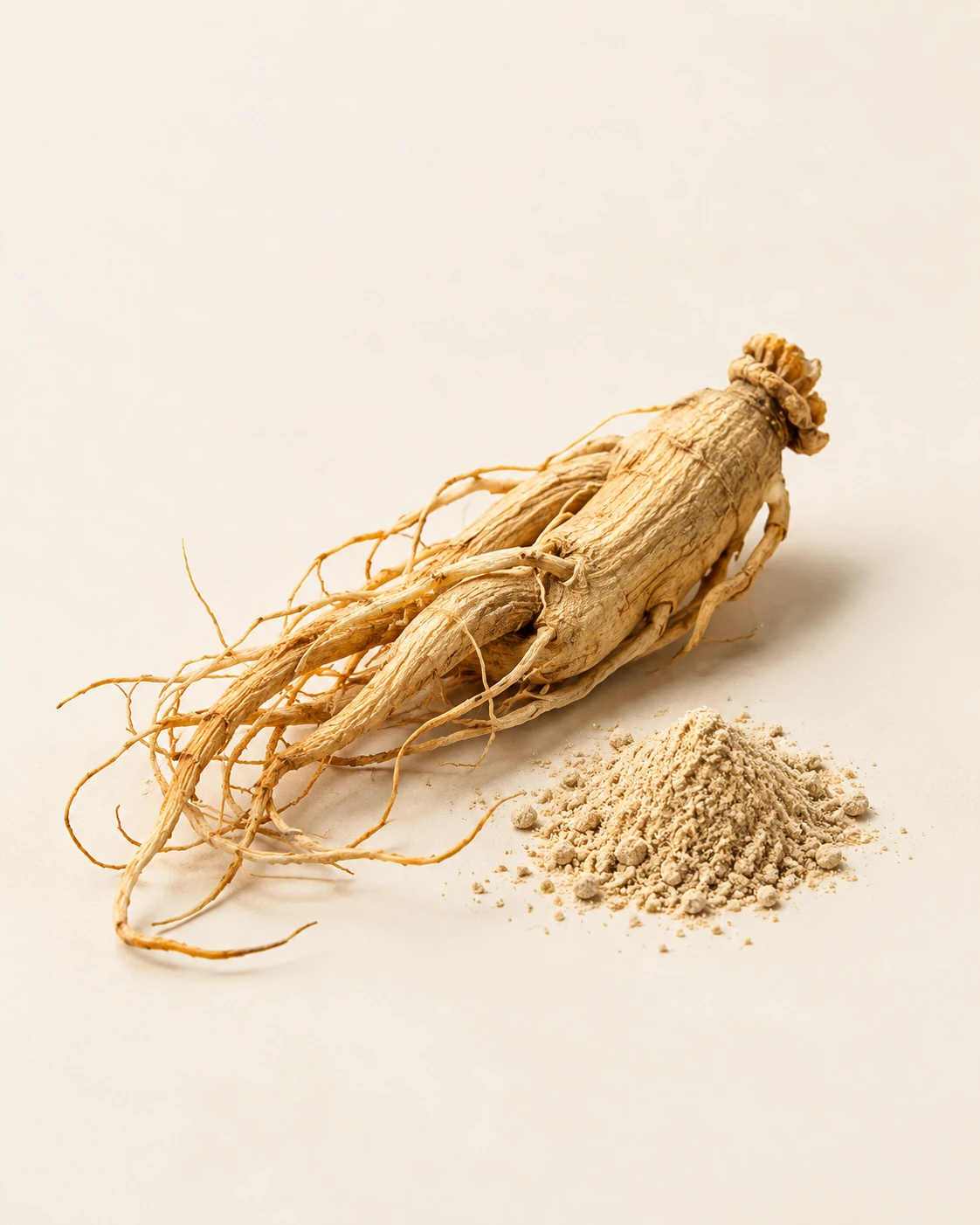 Ginseng (Panax)Mixed
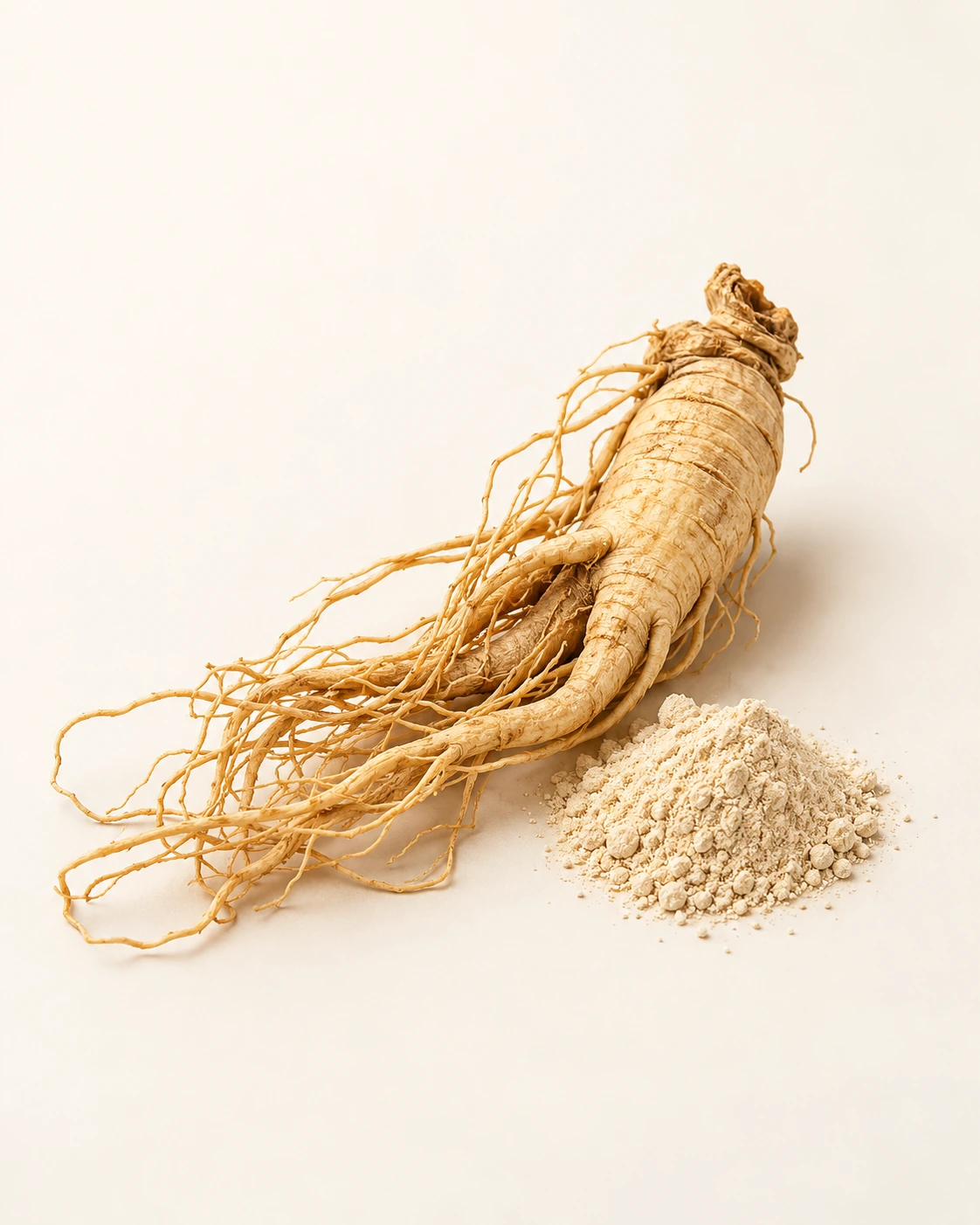
A 2018 systematic review of 10 studies, mostly in people with chronic illness, found modest evidence that Asian and American ginseng reduce fatigue and called for better trials. In a 4-week trial in 90 people with unexplained chronic fatigue, a Panax ginseng extract (1 g or 2 g a day) did not improve the total fatigue score more than placebo, though mental fatigue scores improved. 16 22
Which supplements have weak or no evidence?
Several popular energy supplements have been studied mainly for exercise or in lab settings, not for everyday tiredness. 14 23 24 25
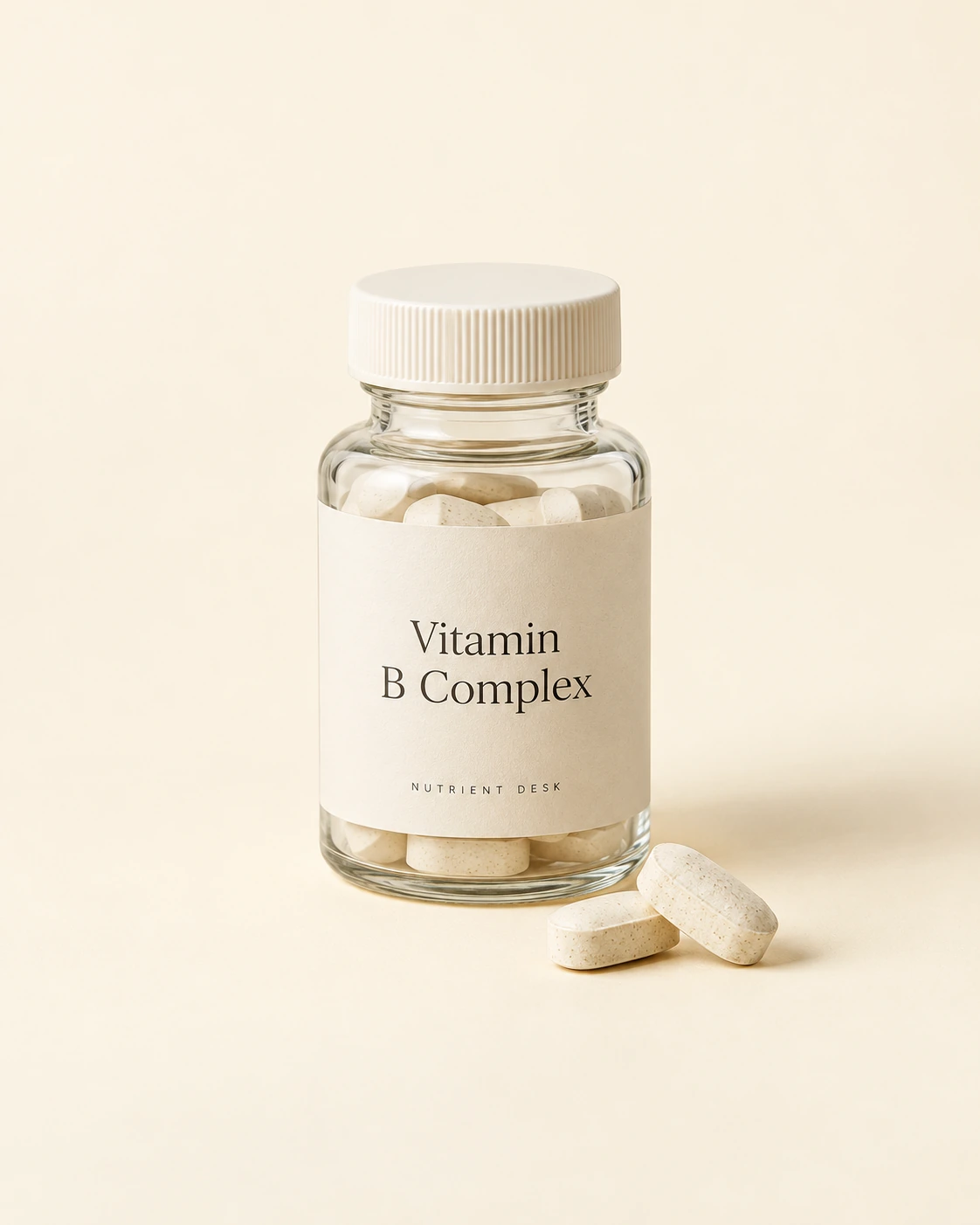 B vitamins and magnesiumToo little evidence
Insufficient for people who are not deficient. These nutrients are needed for energy metabolism, and a deficiency can cause fatigue. But a review written by industry-employed authors notes that the case for supplements rests largely on biochemistry and on symptoms seen in frank deficiency, which is relatively uncommon in developed countries, and that only a limited number of studies have looked at magnesium supplements and physical fatigue. 11 26
 CreatineToo little evidence
Creatine is studied mostly as an exercise aid. In a 4-day trial in male resistance trainers on a low-calorie diet, 20 g a day raised muscle creatine and sprint work tended to be higher, a difference that was not statistically significant. A broad review, written by researchers with creatine industry ties, covers exercise, aging and disease rather than everyday tiredness. 23 27
 L-carnitineNot supported
Not supported for this use. In a small trial in 9 healthy men, 3 g a day for 7 days did not change perceived fatigue during exercise after their muscle glycogen had been depleted. A systematic review of 11 longer studies in healthy people found some effects on performance in specific groups, and noted that L-carnitine raises blood levels of TMAO, a compound suspected of promoting atherosclerosis. A scoping review suggests it could help recovery after exercise but says more studies are needed. 24 28 29
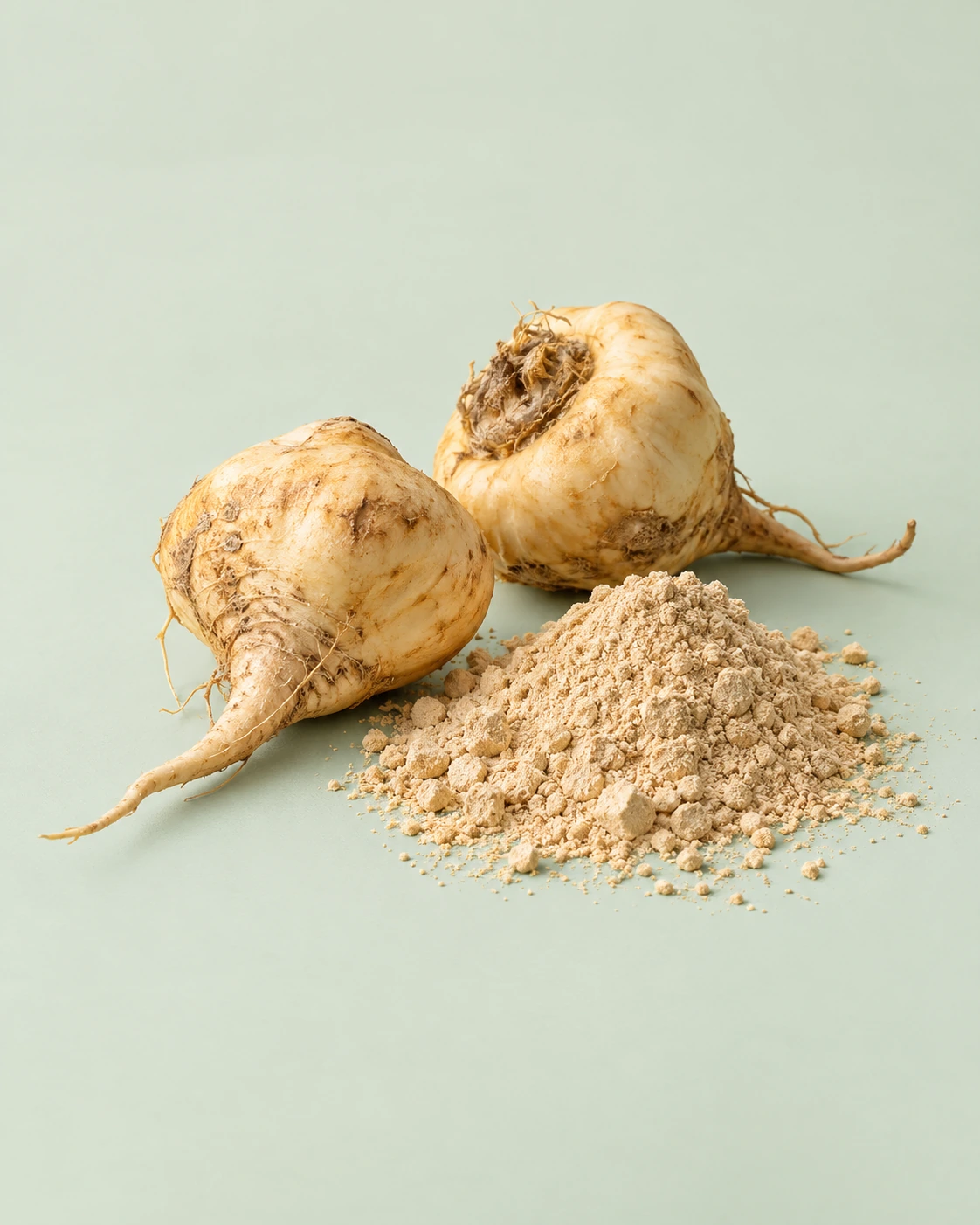 MacaToo little evidence
A 2024 meta-analysis reported large effects on physical performance, but its main outcomes were animal tests such as forced swimming. A related review on oxidative stress states that information in humans is scarce. One 8-week study in 44 elite athletes reported fitness changes and called them preliminary. 14 30 31
 Colostrum
What about caffeine and energy drinks?
Caffeine is the one ingredient rated as making energy crashes worse, and the withdrawal research explains why: regular users who miss their usual dose develop fatigue, drowsiness and low energy, starting at intakes as low as 100 mg a day. 4
EFSA considers up to 400 mg a day spread through the day, and single doses up to 200 mg, safe for healthy adults; for pregnant women the figure is up to 200 mg a day. EFSA also notes that caffeine close to bedtime may affect sleep duration and patterns in some adults. 8
What about the other ingredients rated for energy crashes?
Our imported ratings list more than 60 ingredients for this effect, including bee pollen, bitter orange, D-ribose, guarana, ketones, MCT oil, methylene blue, NMN, nicotinamide riboside, PQQ, royal jelly, shilajit, theacrine and tongkat ali. For these, the ratings link no studies, and we have not yet reviewed human trials on tiredness for them, so this page makes no claim either way.
What helps more than supplements?
The NHS self-help advice for tiredness starts with habits: eating regular meals and snacks every 3 to 4 hours instead of a few large meals, moving more (even a 15-minute walk can help), keeping regular sleep and wake times, managing stress, drinking enough water, and cutting down on alcohol, which makes sleep less deep. 9
If the afternoon dip is your main problem, the studies above point to lunch rather than pills: a high-carbohydrate meal makes the dip stronger, and carbohydrates increased fatigue in the following hour. 2 3
If tiredness lasts for weeks, health services advise seeing a doctor rather than guessing. Blood tests can show anemia, iron or B12 deficiency, diabetes or thyroid problems. 1 5 10 11
Questions people ask
Why do I get so tired after lunch?
Partly because of your body clock: alertness dips in the mid-afternoon even if you skip lunch. A high-carbohydrate meal makes the dip stronger, and studies show more fatigue and less alertness in the hour after eating carbohydrates. 2 3
Is a sugar crash real?
A meta-analysis of 31 studies found no mood boost from carbohydrates at any time point, but more fatigue and less alertness within the first hour. The rush seems to be a myth; the dip is better supported. 3
Can iron supplements stop me feeling tired?
Only if you are low in iron. Trials in iron-deficient adults without anemia found less self-reported fatigue with iron. A blood test shows whether you are deficient, and iron tablets can cause stomach side effects; an overdose can be fatal for young children, so keep them out of reach. 10 12 15
Do B vitamins give you energy?
They are needed for energy metabolism and a deficiency can cause tiredness, but the evidence that extra B vitamins help people who are not deficient is thin. 11 26
How long does caffeine withdrawal tiredness last?
Withdrawal symptoms usually start 12 to 24 hours after the last dose, peak at 20 to 51 hours and last 2 to 9 days. Cutting down gradually helps avoid them. 4 9
When should I see a doctor about constant tiredness?
If you have been tired for a few weeks without knowing why, if it affects your daily life, or if it comes with symptoms like weight loss, mood changes or choking in your sleep. Confusion, dizziness or thoughts of self-harm need help right away. 1 5
Sources
- Fatigue (Medical Encyclopedia) MedlinePlus, U.S. National Library of Medicine, 2025
- The post-lunch dip in performance Clinics in Sports Medicine (Monk TH), 2005
- Sugar rush or sugar crash? A meta-analysis of carbohydrate effects on mood Neuroscience & Biobehavioral Reviews (Mantantzis K et al.), 2019
- A critical review of caffeine withdrawal: empirical validation of symptoms and signs, incidence, severity, and associated features Psychopharmacology (Juliano LM, Griffiths RR), 2004
- Tiredness and fatigue NHS, 2023
- Low blood sugar (hypoglycaemia) NHS, 2023
- Evaluation and management of adult hypoglycemic disorders: an Endocrine Society Clinical Practice Guideline Journal of Clinical Endocrinology & Metabolism (Cryer PE et al.), 2009
- Caffeine (topic page on the 2015 EFSA safety opinion) European Food Safety Authority (EFSA), 2015
- Self-help tips to fight tiredness NHS, 2023
- Iron deficiency anaemia NHS, 2024
- Vitamin B12 or folate deficiency anaemia NHS, 2023
- Effectiveness of Coenzyme Q10 Supplementation for Reducing Fatigue: A Systematic Review and Meta-Analysis of Randomized Controlled Trials Frontiers in Pharmacology (Tsai IC et al.), 2022
- Effects of Maca (Lepidium meyenii Walp.) on Physical Performance in Animals and Humans: A Systematic Review and Meta-Analysis Nutrients (Huerta Ojeda Á et al.), 2024 · Study record
- Ginseng as a Treatment for Fatigue: A Systematic Review Journal of Alternative and Complementary Medicine (Arring NM et al.), 2018
- Effect of Iron Isomaltoside on Skeletal Muscle Energetics in Patients With Chronic Heart Failure and Iron Deficiency Circulation (Charles-Edwards G et al.), 2019 · Study record
- Energy deficit increases hepcidin and exacerbates declines in dietary iron absorption following strenuous physical activity: a randomized-controlled cross-over trial American Journal of Clinical Nutrition (Hennigar SR et al.), 2021 · Study record
- Iron Metabolism: Interactions with Energy and Carbohydrate Availability Nutrients (McKay AKA et al.), 2020 · Study record
- Antifatigue effects of coenzyme Q10 during physical fatigue Nutrition (Mizuno K et al.), 2008 · Study record
- Effects of Coenzyme Q10 Supplementation on Depressive Symptoms and Fatigue: A Systematic Review and Meta-Analysis of Randomized Controlled Trials Journal of Clinical Psychopharmacology (Magalhães PLM et al.), 2026
- Antifatigue effects of Panax ginseng C.A. Meyer: a randomised, double-blind, placebo-controlled trial PLOS ONE (Kim HG et al.), 2013
- Creatine supplementation affects muscle creatine during energy restriction Medicine & Science in Sports & Exercise (Rockwell JA et al.), 2001 · Study record
- Effect of L-carnitine on submaximal exercise metabolism after depletion of muscle glycogen Medicine & Science in Sports & Exercise (Décombaz J et al.), 1993 · Study record
- Exploring the impact of colostrum supplementation on athletes: a comprehensive analysis of clinical trials and diverse properties Frontiers in Immunology (Yalçıntaş YM et al.), 2024 · Study record
- Vitamins and Minerals for Energy, Fatigue and Cognition: A Narrative Review of the Biochemical and Clinical Evidence Nutrients (Tardy AL et al.), 2020
- Creatine in Health and Disease Nutrients (Kreider RB, Stout JR), 2021 · Study record
- The bright and the dark sides of L-carnitine supplementation: a systematic review Journal of the International Society of Sports Nutrition (Sawicka AK et al.), 2020 · Study record
- Effects of L-Carnitine Intake on Exercise-Induced Muscle Damage and Oxidative Stress: A Narrative Scoping Review Nutrients (Caballero-García A et al.), 2023 · Study record
- The Effects of Maca (Lepidium meyenii Walp) on Cellular Oxidative Stress: A Systematic Review and Meta-Analysis Antioxidants (Huerta Ojeda Á et al.), 2024 · Study record
- Effect of Black Maca Supplementation on Inflammatory Markers and Physical Fitness in Male Elite Athletes Nutrients (Lee E et al.), 2023 · Study record
- Bovine Colostrum and Its Potential for Human Health and Nutrition Frontiers in Nutrition (Arslan A et al.), 2021 · Study record