
Constipation
Hard stools, straining or infrequent trips to the bathroom: here is how to make sense of constipation and the treatments studied for it.
Is it constipation if I still go regularly?
The number of bathroom trips is only part of the picture. Hard, painful stools or the feeling that the bowel has not emptied can also mean constipation. Fewer than three bowel movements a week is another sign, rather than the only definition. 1
Why does it happen?
Low fiber intake, dehydration, inactivity and medicines can contribute. Iron supplements, slow intestinal transit and pelvic floor disorders are other possible factors. 1
When is medical care needed?
Constipation with blood in stool, persistent abdominal pain, vomiting or inability to pass gas needs prompt medical assessment. 1
Nutrients with the strongest ratings
Sorted by the largest rated effect. Bars show effect size, the letter is the evidence grade.
All 43 ratingsEvery nutrient rated for constipation, with search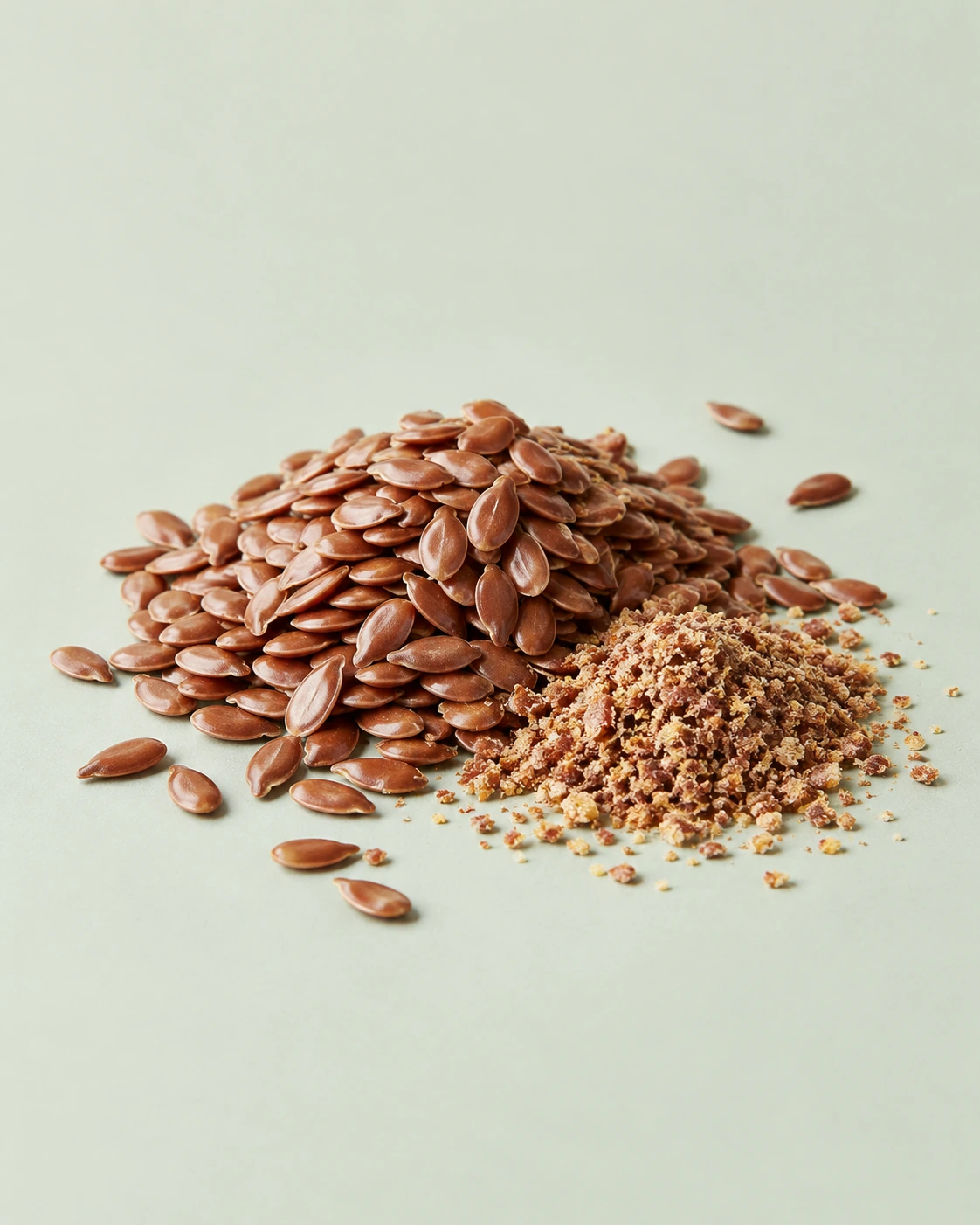

What does the guideline support?
The 2023 US guideline addresses adults with chronic idiopathic constipation: persistent constipation without an identified underlying cause. Its recommendations for fiber, magnesium oxide and senna are conditional. That leaves room for individual preferences and uncertainty about the evidence. 2
 Fiber
What changed in the senna and magnesium trial?
A randomized trial compared senna, magnesium oxide and placebo for 28 days in 90 adults with chronic constipation; 93% were women. The studied amounts were 1.0 g of senna and 1.5 g of magnesium oxide, not personal dosing advice. Overall symptom response was reported in 69.2% with senna, 68.3% with magnesium oxide and 11.7% with placebo. Both active treatments also improved bowel movement frequency and quality of life. These encouraging results come from a short trial in a predominantly female population, so they do not settle long-term benefit or safety. 3
Start with the daily routine
Food, fluids and bathroom habits are useful starting points. NIDDK recommends enough liquid when adding fiber, regular movement and time for an unhurried bowel movement. When a medicine or iron supplement seems to be contributing, a clinician can review the treatment; stopping it independently can create another problem. 4
When food changes are not enough
Polyethylene glycol, an osmotic laxative, has a strong recommendation in the US guideline, with moderate certainty of evidence. Prescription treatments are also options when over-the-counter treatments do not bring enough relief. A supplement is one possible part of treatment, rather than the whole range of choices. 2
When constipation is part of irritable bowel syndrome
Irritable bowel syndrome can include abdominal pain, constipation and diarrhea. IQWiG describes some symptom relief with probiotics in some participants, but the most helpful bacterial type and dose remain uncertain. That is evidence about irritable bowel symptoms, not a promise that any probiotic will restore regular bowel movements. 5
 ProbioticsToo little evidence
Evidence for relief of irritable bowel symptoms does not identify a reliable product or dose for constipation. 5
Questions people ask
Is frequency the only sign?
No. Painful stools and incomplete emptying also matter. 1
Can iron cause constipation?
Iron supplements can worsen constipation. 1
Does drinking help with fiber?
NIDDK advises sufficient liquids when increasing fiber. 4
Are supplements the only option?
No. The US guideline strongly recommends polyethylene glycol for chronic idiopathic constipation. 2
Can laxatives cause diarrhea?
Yes. IQWiG notes this trade-off, especially when constipation and diarrhea alternate in irritable bowel syndrome. 5
Sources
- ACG and AGA guideline on chronic constipation management American Gastroenterological Association