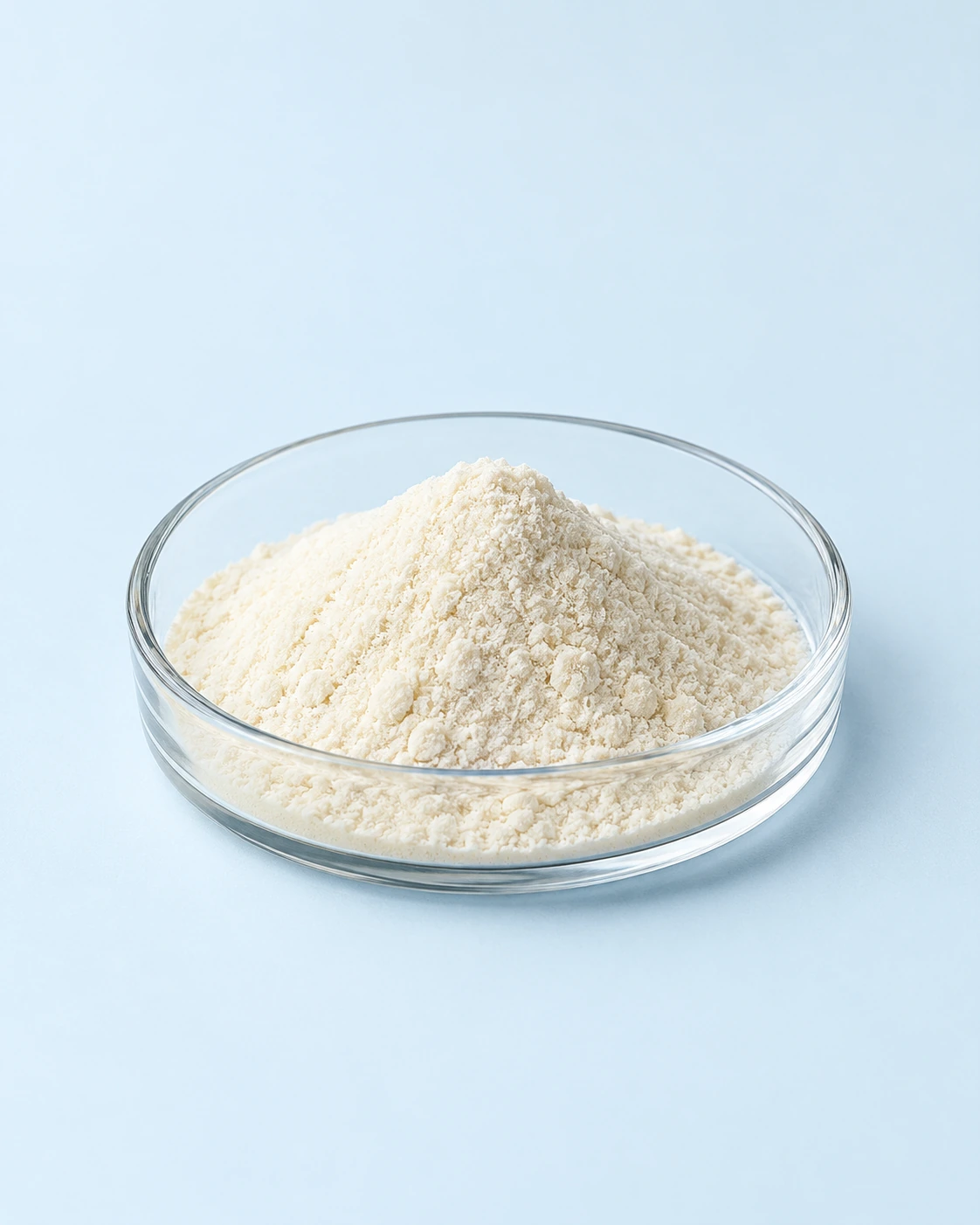
Fiber
Fiber, or dietary fiber, is the part of plant foods the small intestine cannot digest. It comes in soluble and insoluble types, and gut bacteria ferment much of it.
Also listed as Dietary Fiber
What it is studied for
The strongest rated effects first. Bars show the size of the effect, the letter grades the evidence, and each rating lists the studies behind it.
Why does fiber behave differently from other food?
Fiber is a group of food components that our digestive enzymes do not fully break down in the small intestine. Much of it reaches the large intestine. It occurs mainly in plant foods, including whole grains, legumes, fruit, vegetables, nuts and seeds. 1 2
Water, thickness and gut bacteria
The familiar split into soluble and insoluble fiber is only part of the story. Fibers also differ in how thick a mixture they form and how readily gut bacteria break them down. Inulin is soluble and readily fermented; psyllium is soluble and thickens with water but is not fully fermented. 1
That helps explain why the same number of grams is not the whole comparison. Trials of constipation, blood sugar and cholesterol have tested particular fibers; their results cannot simply be assigned to every powder labeled “fiber.” 3 4 5
Key studies
The most recent publications linked to Fiber's ratings.
Why people take it
SuppCo community snapshot, 2026-09-28. Reasons for use are not evidence that it works.
Questions people ask
Is soluble fiber always better?
No single category fits every purpose. Thickness and fermentation also matter: soluble inulin and soluble psyllium behave differently. 1
Which fiber has evidence for constipation?
Psyllium is among the fibers with significant benefits in the 2022 trial review; pectin also showed benefit in the analysis by type. 3
Does the 30 g target mean 30 g of powder?
No. The DGE adult guideline refers to total daily dietary fiber, not the weight of a supplement or powder. 2
Can fiber help cholesterol?
Soluble fiber supplements lowered LDL by about 8 mg/dL on average in a large review of randomized trials. 4
Will more fiber always reduce bloating?
No. Flatulence increased in constipation trials, and a rapid increase in intake can cause discomfort. Gradual dietary changes are the DGE approach. 1 3
Does changing gut bacteria mean my gut is healthier?
The review found changes in particular bacteria, without improved overall diversity. Those measurements alone do not establish relief from digestive symptoms. 6
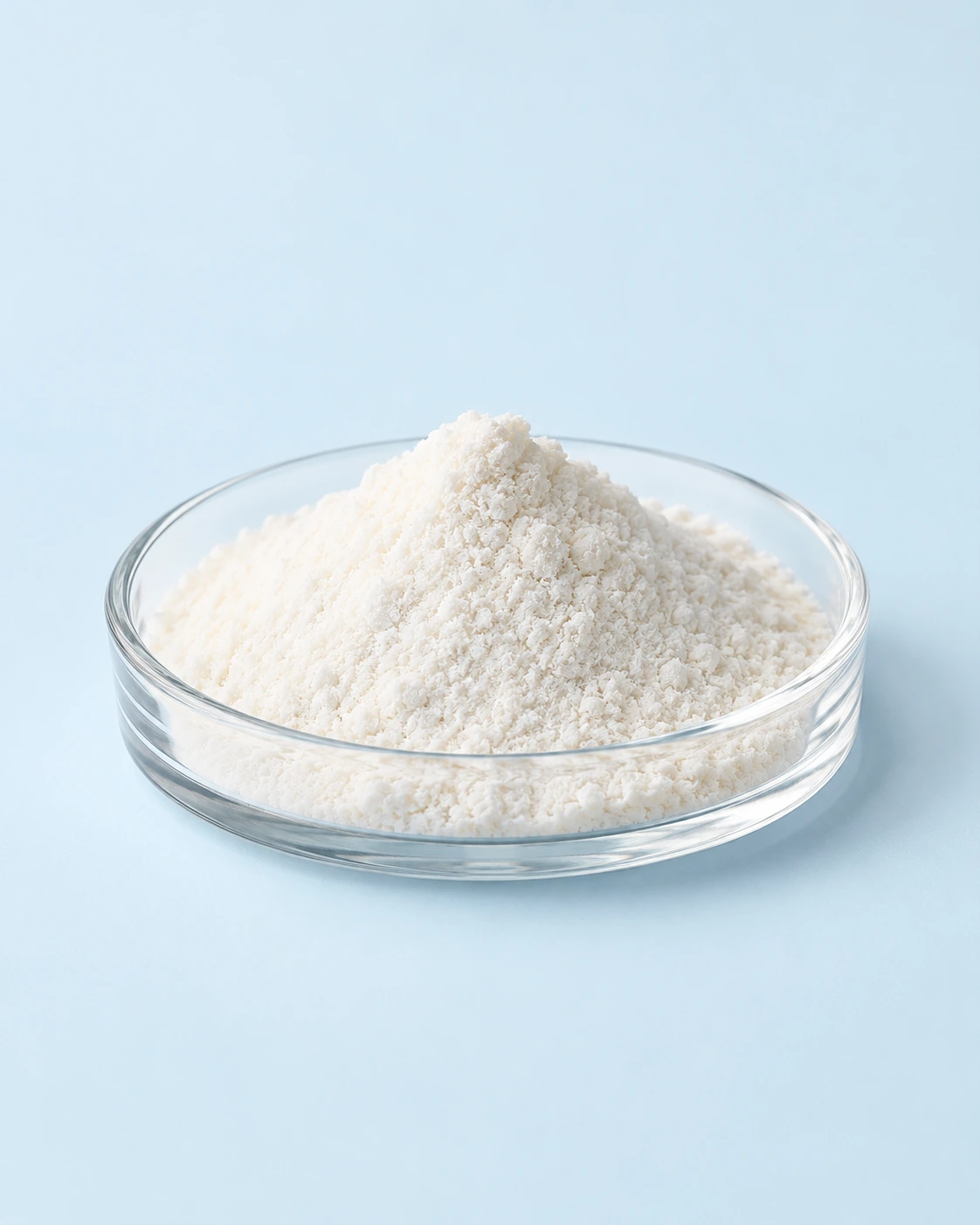 Inulin
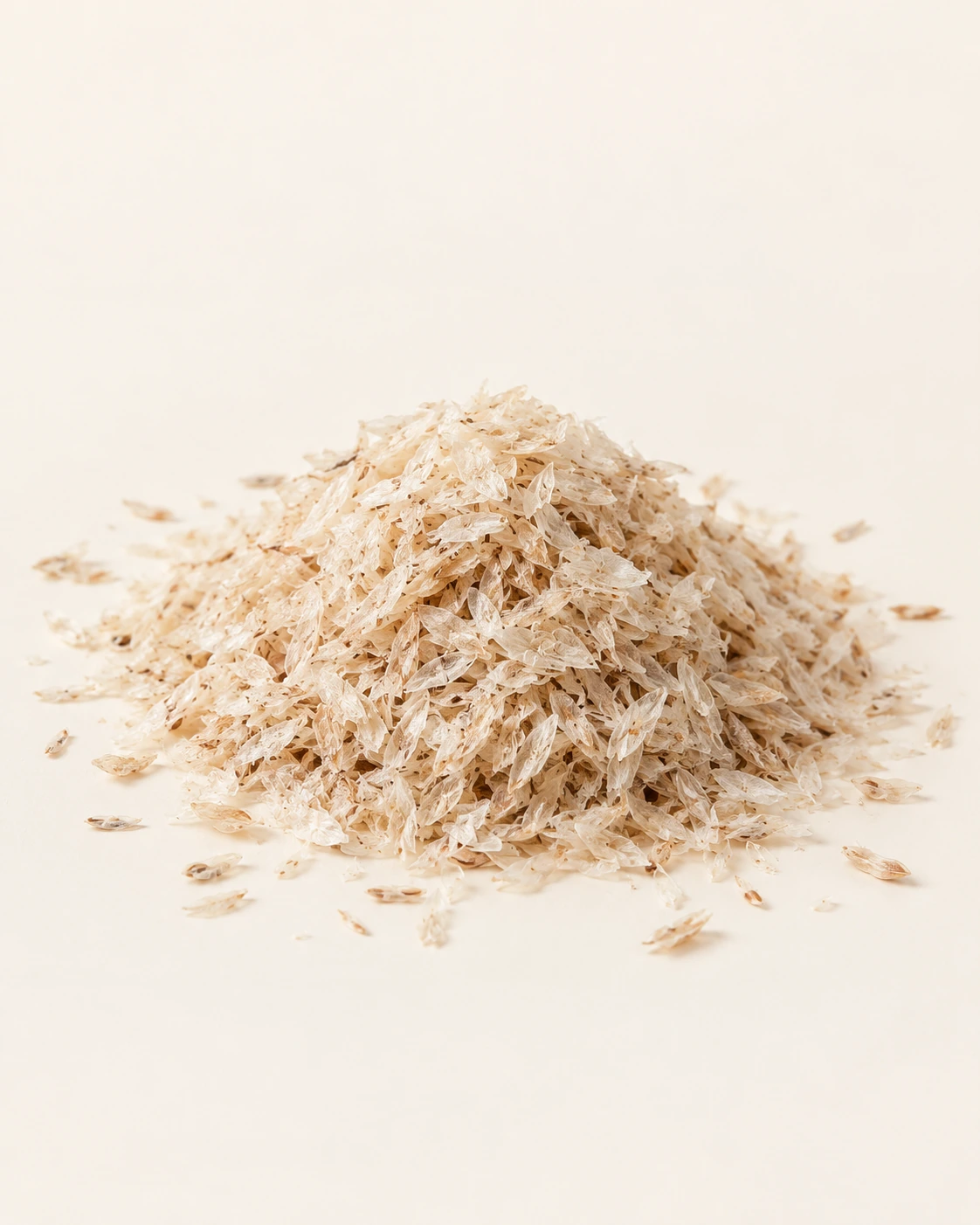 Psyllium