Inulin
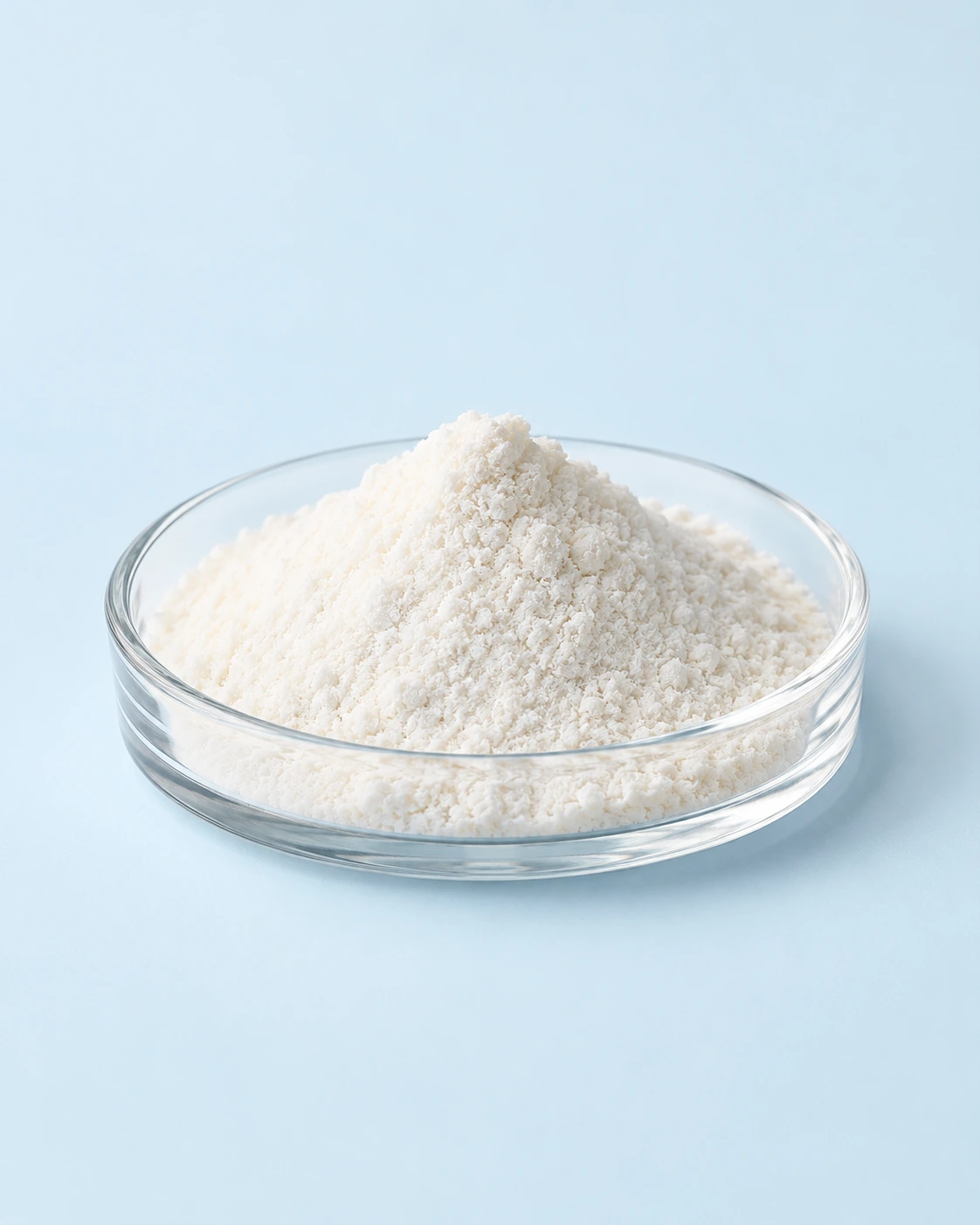
Inulin is a soluble dietary fiber made of chains of fructose, found in chicory root, onions and garlic. Commercial inulin mostly comes from chicory.
What it is studied for
The strongest rated effects first. Bars show the size of the effect, the letter grades the evidence, and each rating lists the studies behind it.
What does “prebiotic” mean here?
Inulin belongs to the inulin-type fructans, a family of fibers that also includes oligofructose and short-chain fructooligosaccharides. Gut microbes can use them, which underlies their prebiotic activity. Different chain lengths and preparations are not necessarily interchangeable. 1
Key studies
The most recent publications linked to Inulin's ratings.
Why people take it
SuppCo community snapshot, 2026-09-28. Reasons for use are not evidence that it works.
Questions people ask
Is 12 g a universal daily requirement?
No. It is the amount in EFSA’s specific evaluation of native chicory inulin for stool frequency. 2
Does inulin always reduce bloating?
No. Fermentable fructans can themselves cause gas or diarrhea in sensitive people. 3
Is inulin the same as oligofructose?
They belong to the same fructan family but differ in chain length; direct comparisons of health effects remain limited. 1
Related nutrients
 Prebiotics
 Fiber
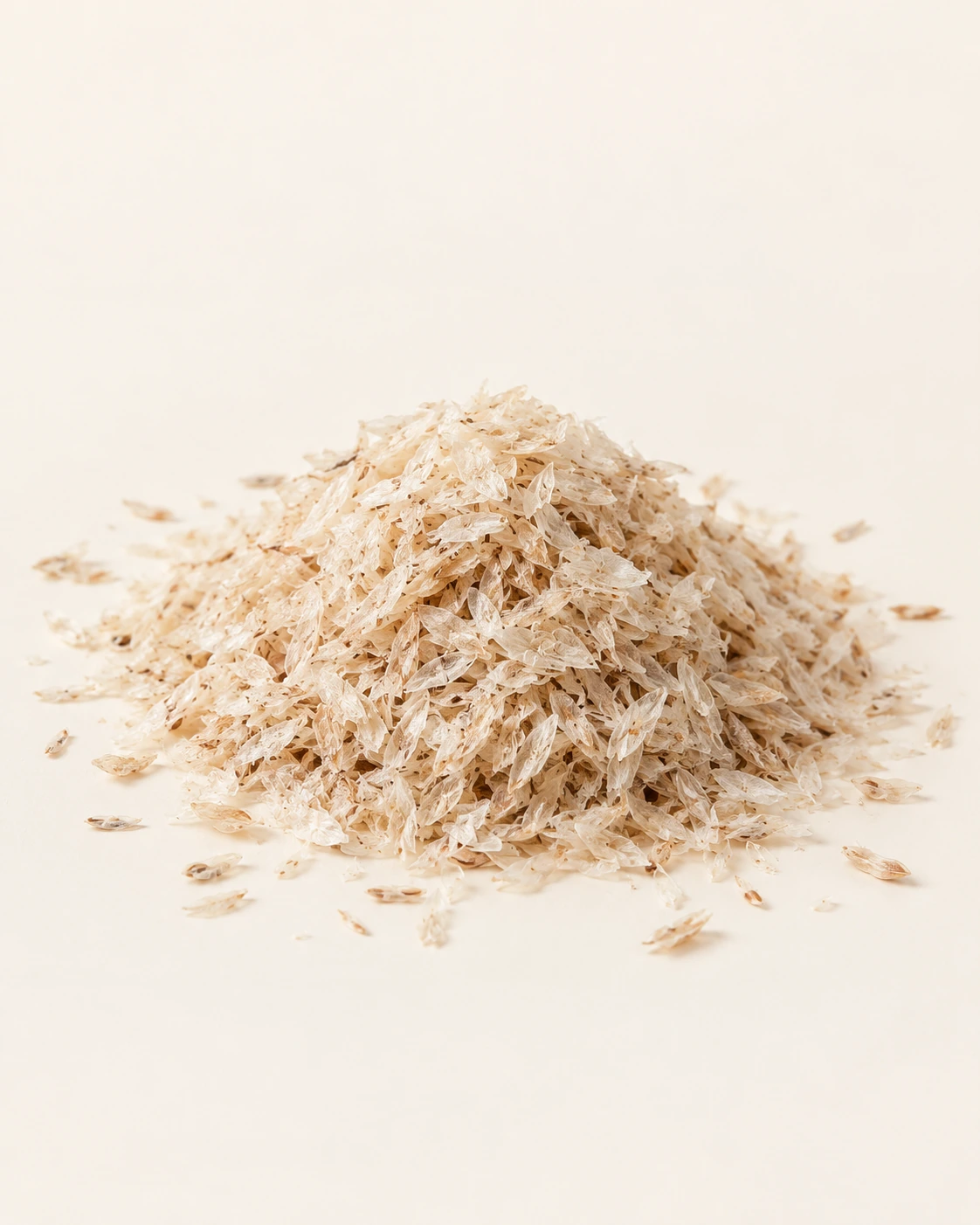 Psyllium
Sources
- Lebensmittel mit präbiotischen Ballaststoffen: Wirkung nicht belegt Verbraucherzentrale, 2026