
Cortisol stress
What can a cortisol result tell you about stress? A guide to the measurements, everyday support and supplement findings.
Should cortisol be as low as possible?
Cortisol has a job to do. Made by the adrenal glands, it helps the body respond to stress and regulate metabolism and blood pressure. Both excess and deficiency can signal illness, so lowering the number is not a goal in itself. 1
Why the timing of a test matters
Tests use blood, saliva or urine. Cortisol varies during the day; stress and exercise can also affect results. A test alone cannot establish the cause of an abnormal value. 1
When does it need assessment?
Easy bruising and muscle weakness can accompany cortisol excess. Persistent fatigue and weight loss can accompany deficiency; these symptoms may prompt medical testing. 1
Nutrients with the strongest ratings
Sorted by the largest rated effect. Bars show effect size, the letter is the evidence grade.
All 12 ratingsEvery nutrient rated for cortisol stress, with search
Ashwagandha: a signal worth understanding
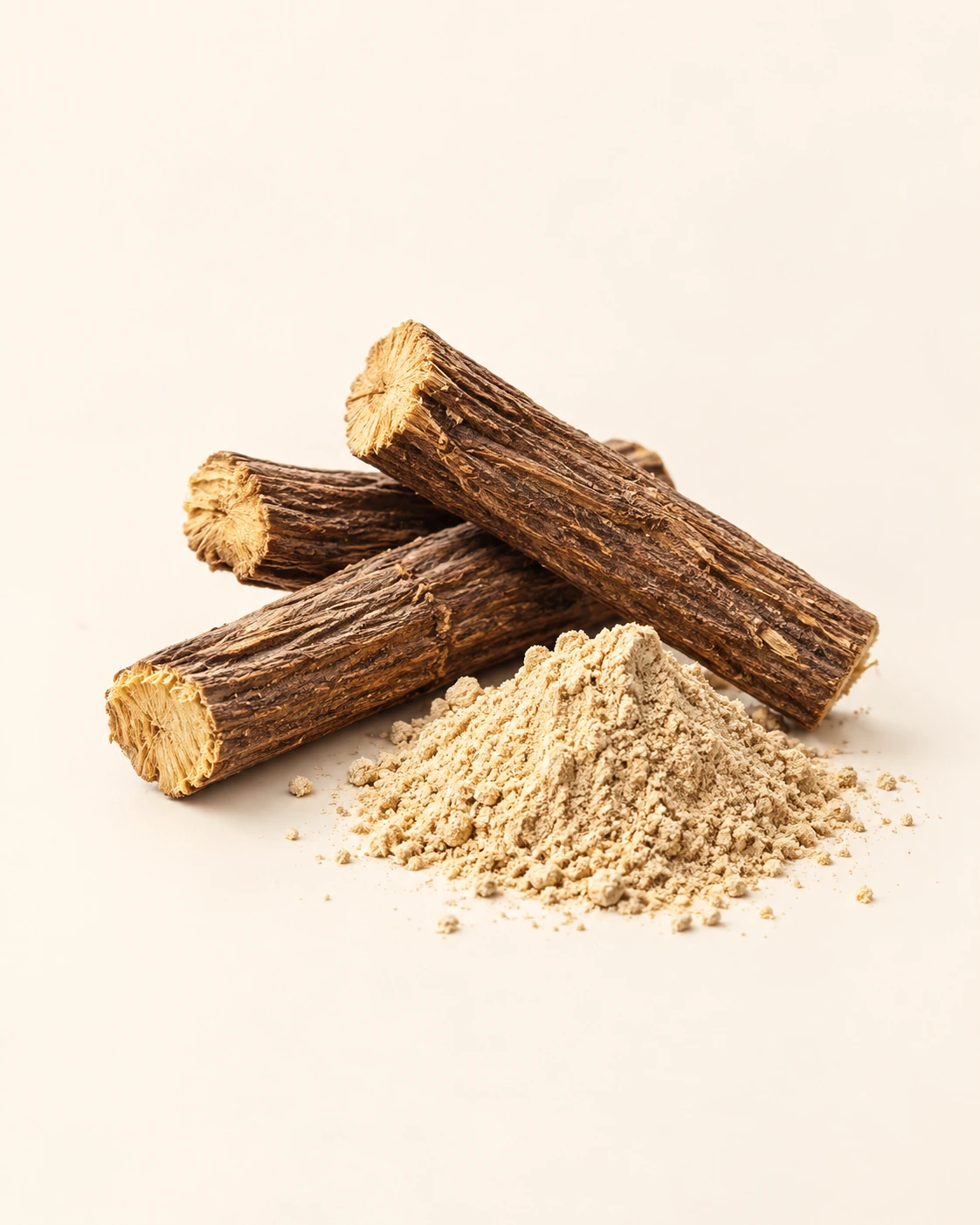
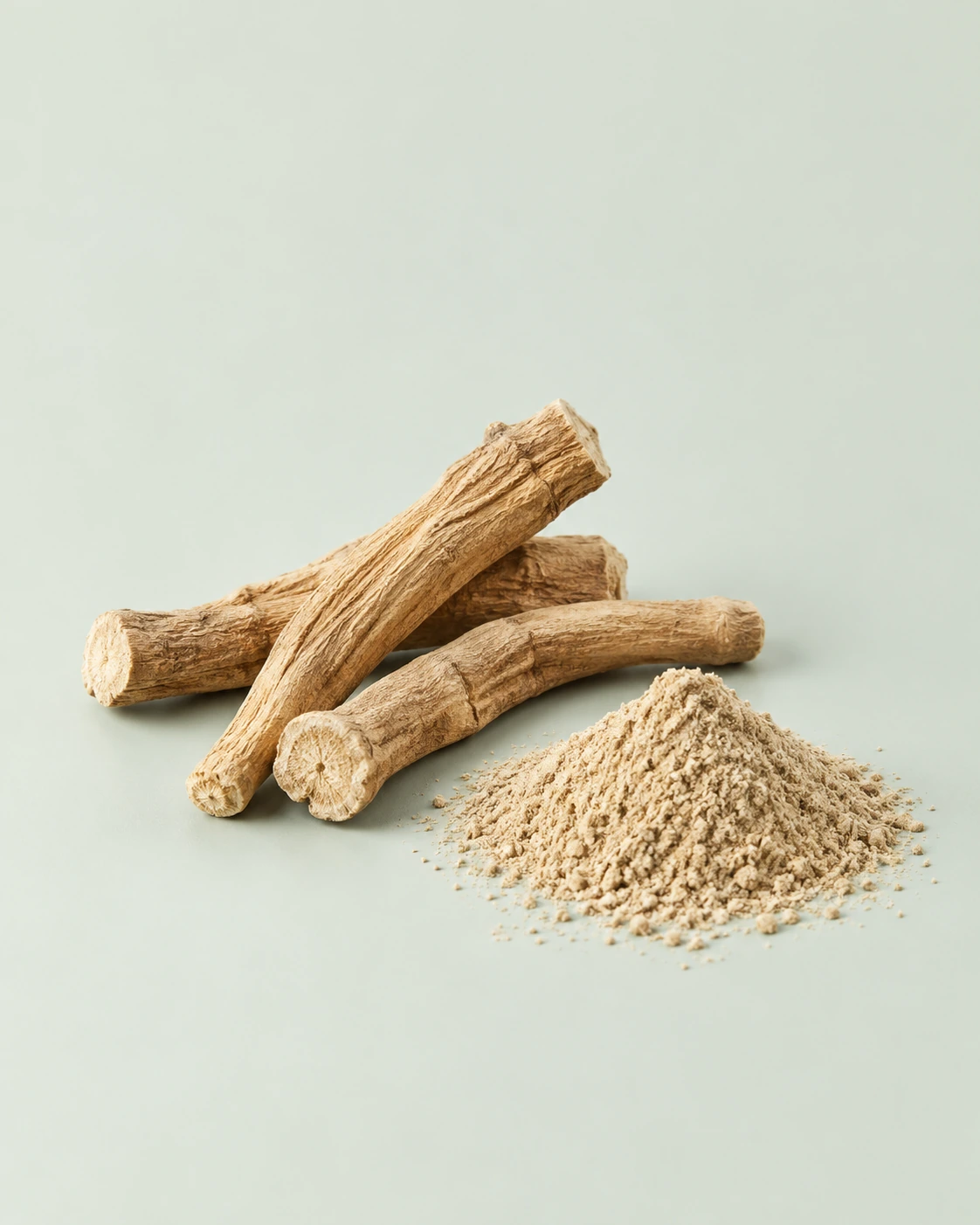
Some short trials suggest that ashwagandha can improve stress scores and lower cortisol. NIH ODS points to differences in extracts, doses and study populations, which make it harder to translate those findings into a dependable choice for an individual. A promising group average does not tell us which product will help a particular person. 2
 AshwagandhaToo little evidence
A review summarized by ODS included 491 adults in India studied for 6 to 8 weeks. Stress scores and serum cortisol improved overall, but this does not establish treatment of endocrine disease. 1 2
A closer look at one ashwagandha trial
Sixty otherwise healthy adults reporting stress were assigned to ashwagandha root extract or placebo for eight weeks. Daily totals were 250 mg or 600 mg; 58 people completed the trial. Both extract groups improved perceived stress and serum cortisol compared with placebo. The higher-dose group had a larger cortisol reduction. This small, short study supports further investigation, rather than a recommendation to increase the dose or treat a hormonal disorder. 3
Feeling less stressed and lowering cortisol are different outcomes
A 28-day trial assigned 30 moderately stressed healthy adults to 400 mg/day of L-theanine or placebo. Salivary cortisol changes did not differ significantly between groups. Perceived stress scores fell in both groups by roughly 18% at day 28. The result illustrates why improvement from the start of a study is not enough: the comparison with placebo matters. 4
 L-theanineToo little evidence
This small trial found no cortisol advantage over placebo; it does not establish a reliable cortisol-lowering effect. 4
What are the safety limits?
BfR advises against ashwagandha for children, pregnant or breastfeeding people and those with liver disease. Liver injury reports and possible hormonal effects warrant caution; a safe intake limit could not be established. 5
Support beyond supplements
Slow breathing, progressive muscle relaxation and mindfulness are among the approaches studied for stress. NCCIH describes encouraging findings, including changes in perceived stress, while noting that studies vary. If stress is hard to manage or symptoms persist, professional support is another useful option. 6
Questions people ask
Is lower cortisol always better?
No. Cortisol deficiency can also reflect serious disease. 1
Does one test explain my symptoms?
A cortisol test alone cannot determine the cause of an abnormal result. 1
Are all extracts interchangeable?
Studies used different preparations and doses, limiting comparisons. 2
Is ashwagandha risk-free?
No. BfR highlights liver and hormonal safety concerns. 5
Did L-theanine lower cortisol in the longer trial?
The 28-day trial found no significant difference from placebo in salivary cortisol changes. 4
Sources
- Cortisol Test MedlinePlus
- Ashwagandha: Is it helpful for stress, anxiety, or sleep? NIH Office of Dietary Supplements
- Stress NCCIH