
Mood Support
What research on depressive symptoms can tell us about supplements, and where professional support fits.
Could a supplement help when you feel low?
The studies below examine depressive symptoms or diagnosed depression. Their findings should not be treated as a promise of better everyday mood for everyone. 1 2 3
When does low mood need attention?
Low mood can affect sleep, energy and confidence. If it lasts at least two weeks, especially with loss of enjoyment or hopelessness, depression is possible and professional help is appropriate. 4
Nutrients with the strongest ratings
Sorted by the largest rated effect. Bars show effect size, the letter is the evidence grade.
What does the supplement research show?
This comparison covers St. John’s wort, saffron and omega-3 supplements.
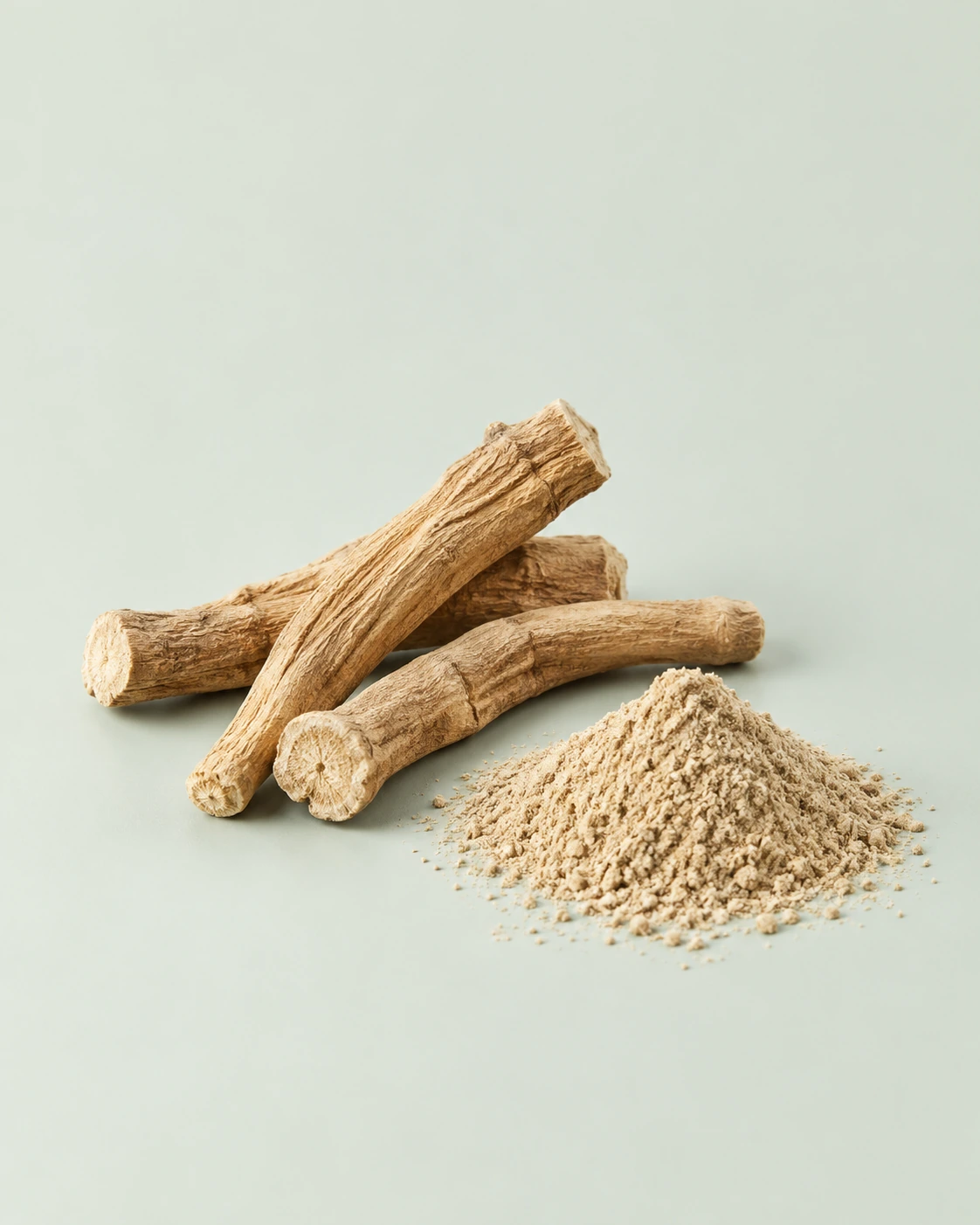
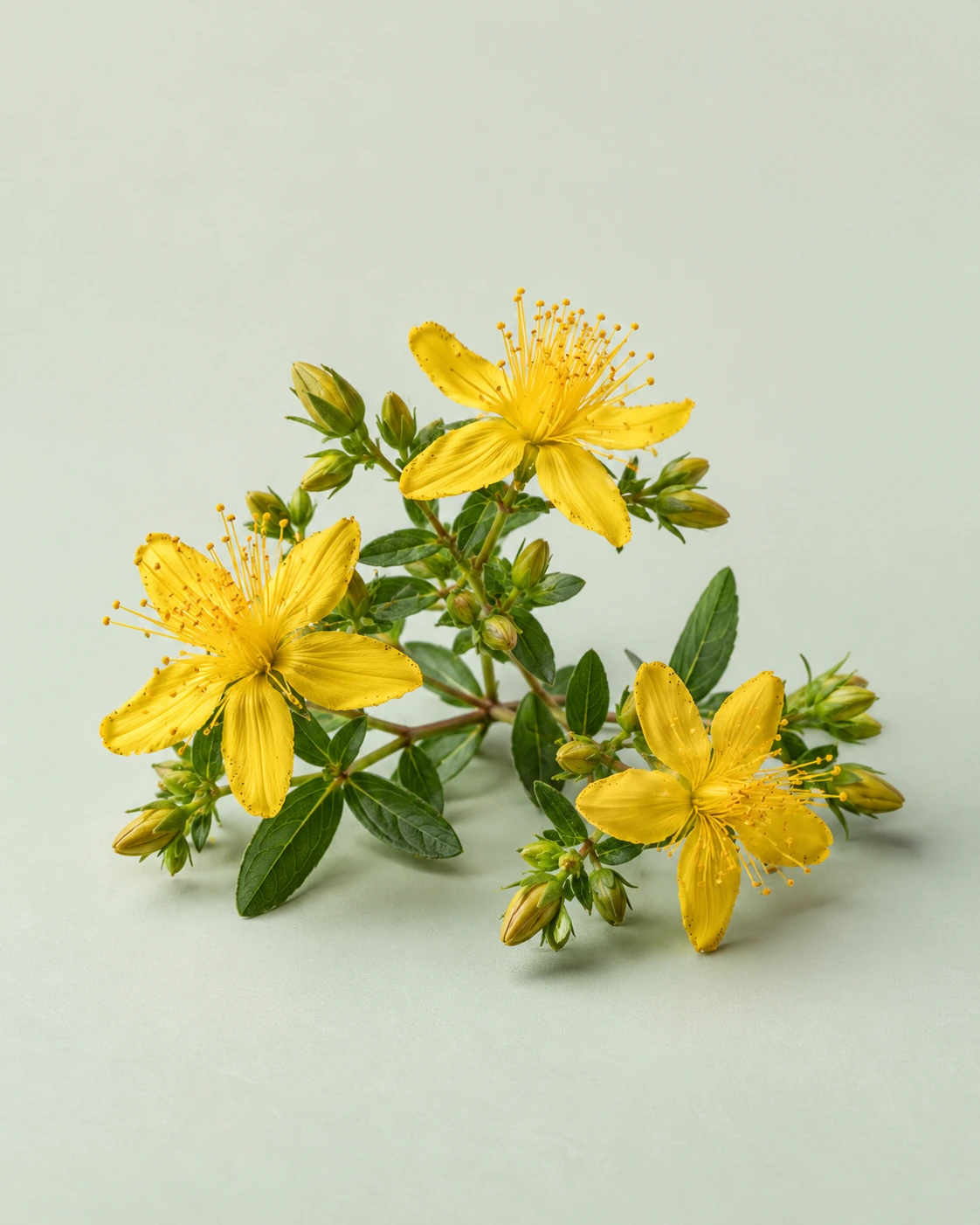 St. John’s wortMixed
A 2016 review of 35 trials found benefit over placebo in adults with mild to moderate major depression. Trials lasted at least four weeks; results varied substantially, and evidence for severe depression was insufficient. 1
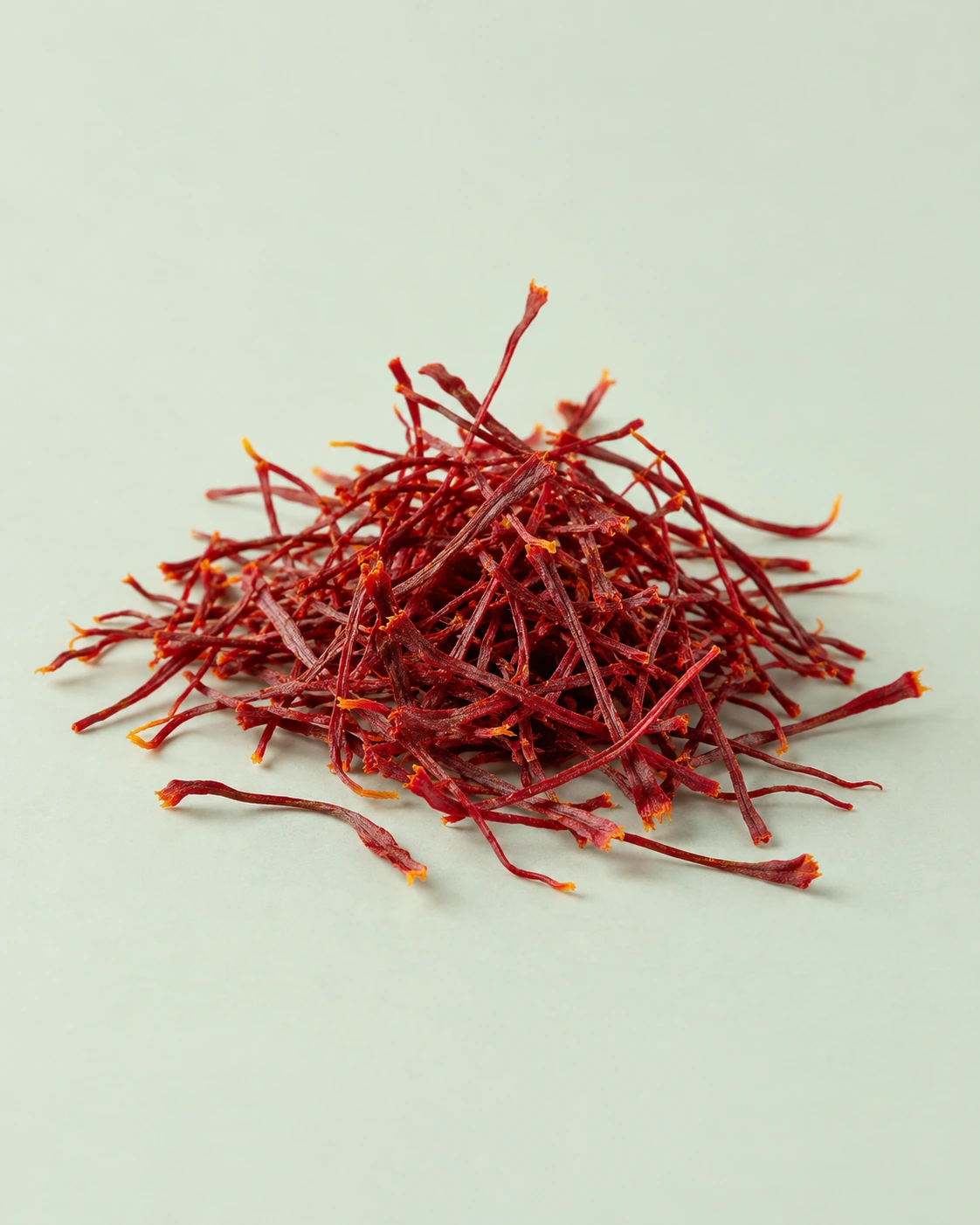 SaffronMixed
A 2019 review of 23 trials found improved depressive symptoms compared with placebo. Publication bias and limited geographic diversity reduce confidence in how broadly the results apply. 2
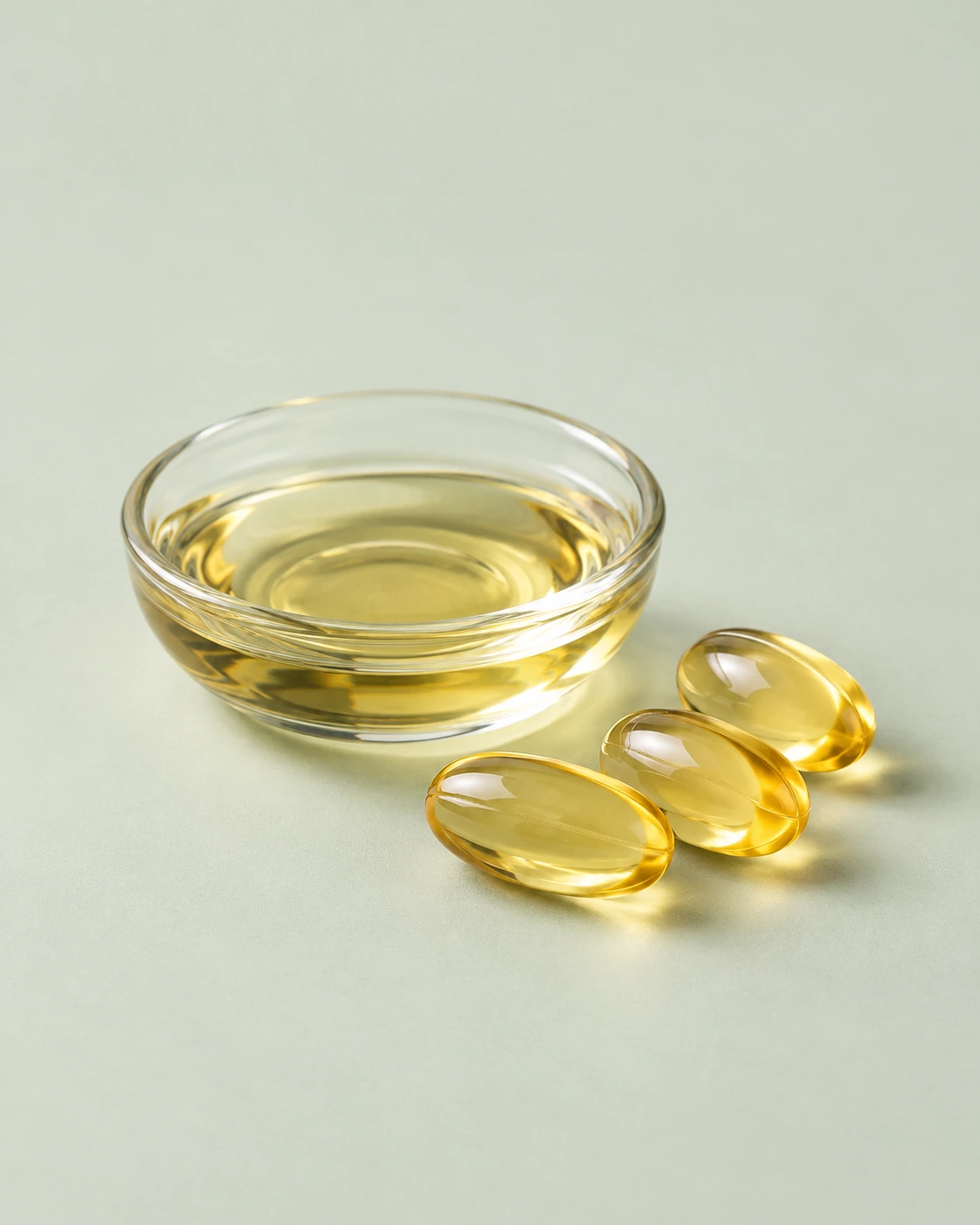 Omega-3 fatty acidsToo little evidence
Cochrane’s 2021 review included 35 trials in adults with major depression. The average benefit over placebo was small to modest and unlikely to be clinically meaningful; evidence certainty was low to very low. 3
Does any St. John’s wort product work?
IQWiG stresses that preparations differ in composition and strength. Most studied doses were 500–1,200 mg daily, usually for no more than eight weeks; this describes research, not a personal dosing recommendation. 5
Why check medicines before using St. John’s wort?
St. John’s wort can interact with hormonal contraception, blood thinners and medicines that suppress immunity. Side effects include nausea, skin reactions and increased sensitivity to sunlight; a clinician or pharmacist can check interactions. 5
What can help alongside treatment?
Regular movement, regular meals and talking with someone you trust may help with low mood. A mental health crisis needs urgent support. 4
Questions people ask
Does this research apply to a bad day?
The St. John’s wort review studied adults with diagnosed depression, not ordinary day-to-day mood changes. 1
Is saffron proven treatment?
Results are promising, but publication bias and limited geographic diversity call for further trials. 2
Does fish oil reliably improve depression?
Cochrane found insufficient high-certainty evidence to establish its effects. 3
When should I ask for help?
Persistent low mood for two weeks or trouble coping warrants professional support; a crisis needs urgent help. 4
Sources
- A systematic review of St. John’s wort for major depressive disorder Systematic Reviews, 2016 · Study record
- Omega-3 fatty acids for depression in adults Cochrane, 2021