Algae
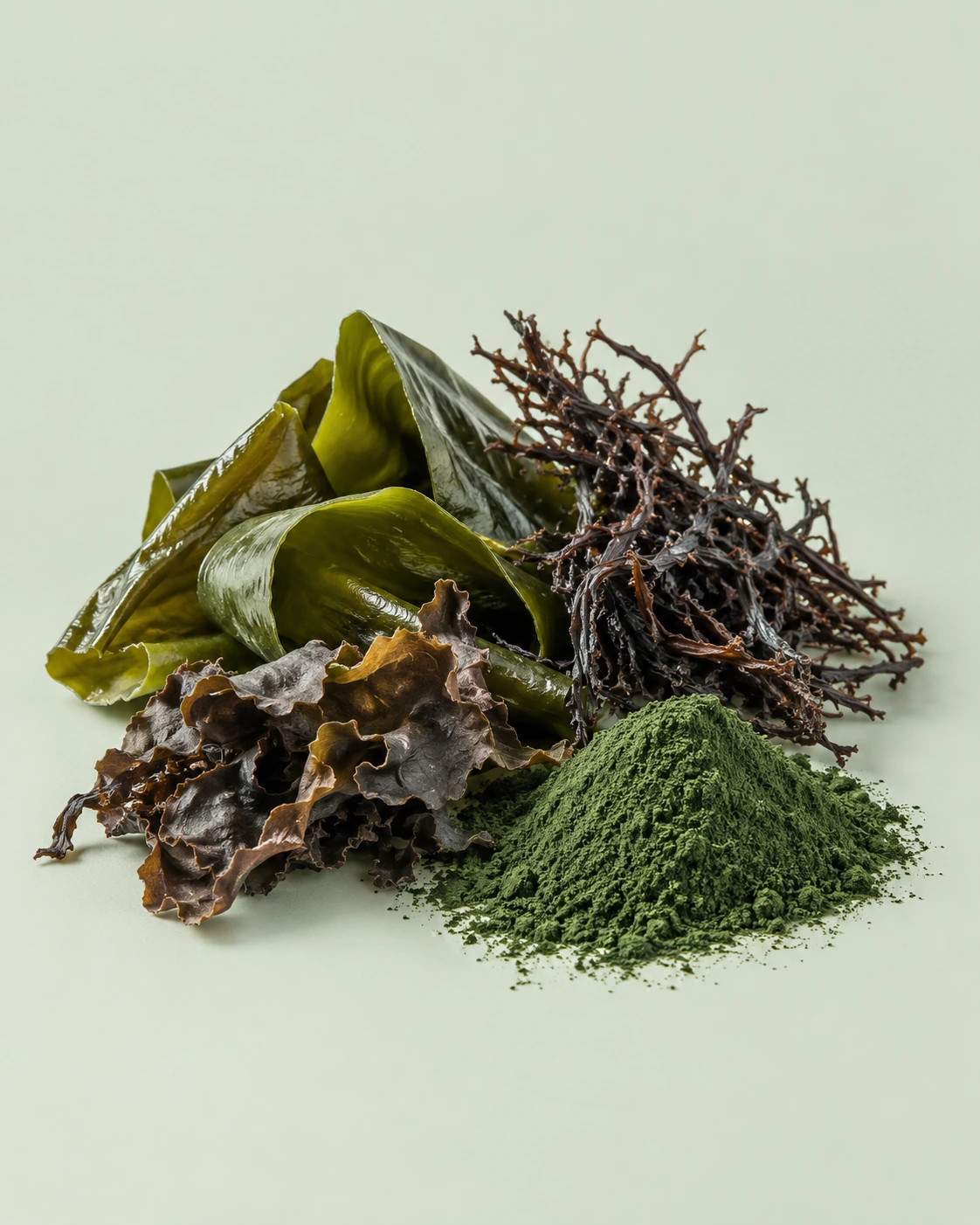
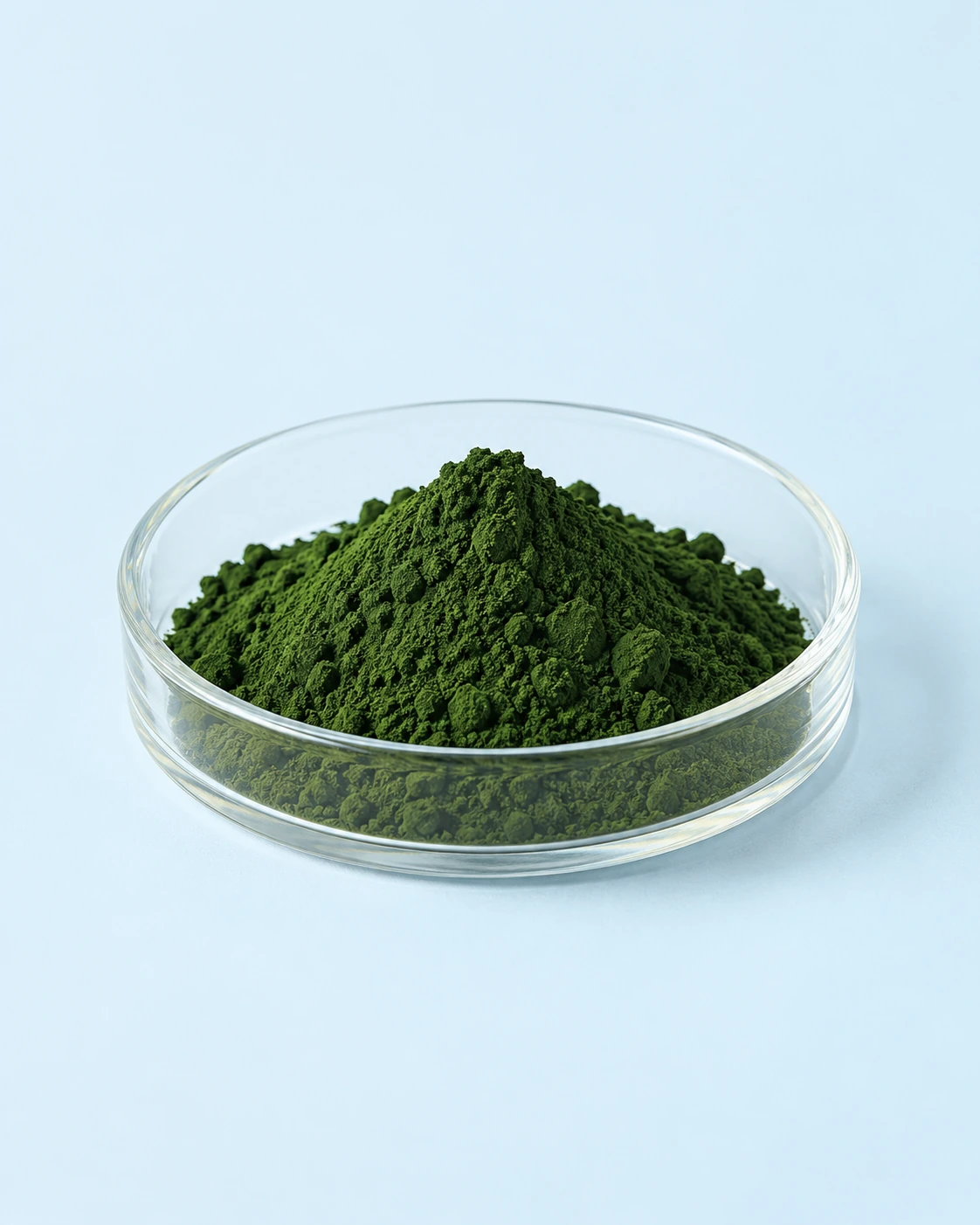
Algae are a diverse group of mostly aquatic organisms that live by photosynthesis, from single-celled microalgae such as chlorella to large seaweeds.
What it is studied for
The strongest rated effects first. Bars show the size of the effect, the letter grades the evidence, and each rating lists the studies behind it.
What does “algae” mean on a label?
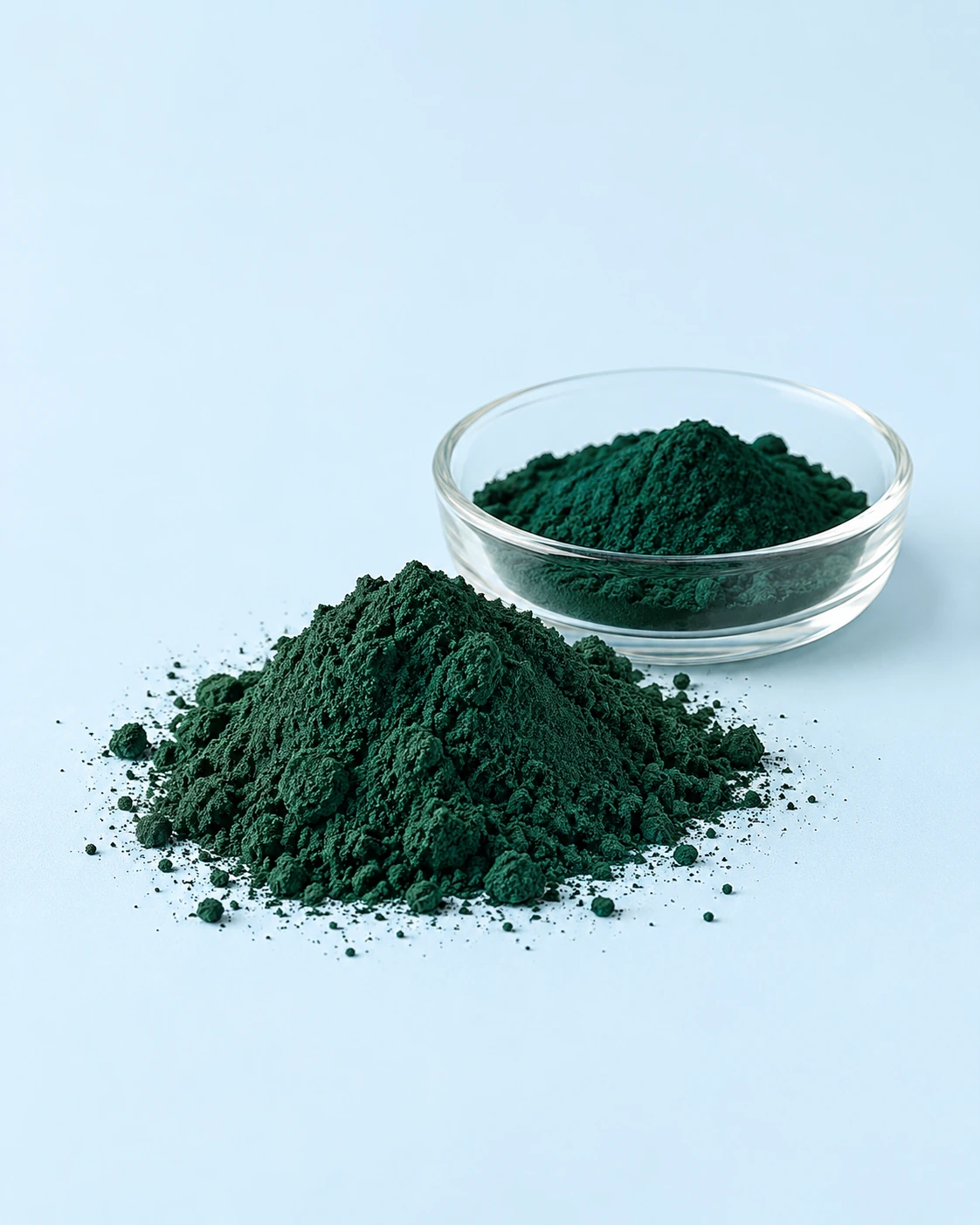
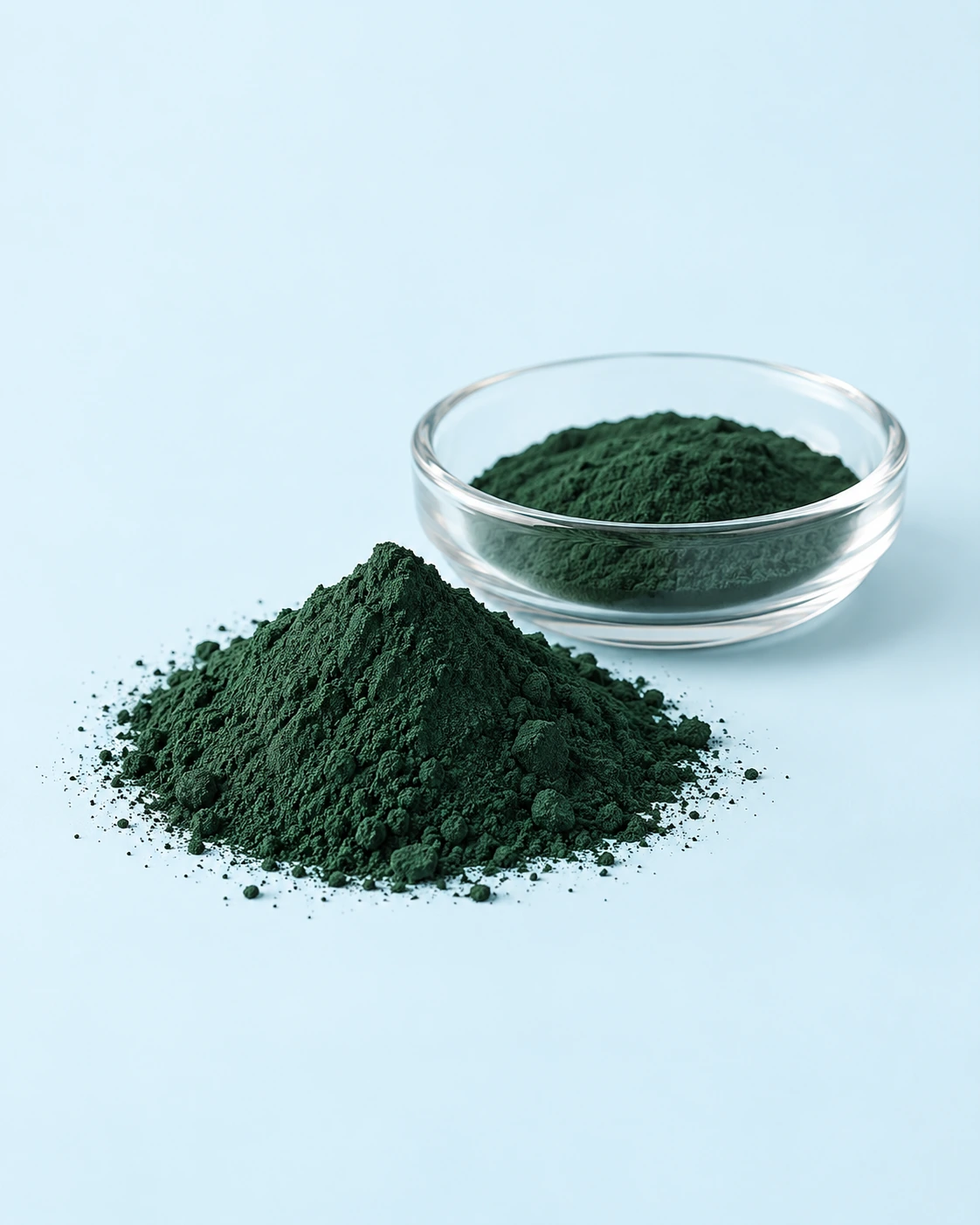
The label can refer to quite different products: edible seaweed, an oil supplying omega-3 fats, or a supplement made from blue-green algae. Blue-green algae are actually cyanobacteria. Evidence and safety information for one of these products cannot simply be applied to the others. 1 2 3
Key studies
The most recent publications linked to Algae's ratings.
Why people take it
SuppCo community snapshot, 2026-09-28. Reasons for use are not evidence that it works.
Questions people ask
Is algal oil the same as kelp?
No. Algal oil is an omega-3 preparation, while kelp is seaweed whose iodine content can be very high. Their labels answer different nutritional questions. 1 2
Can all algae products lower cholesterol?
The pooled research contains encouraging findings, but study quality and differences between preparations prevent that conclusion for every product. 4
What matters most on a seaweed label?
The iodine amount, portion limit and preparation instructions help judge exposure. BfR warns that small portions of some seaweeds can deliver excessive iodine. 1
 Chlorella
 Blue-green algae
 Alfalfa
 Sea Moss
 Spirulina