
Carotenoids
Carotenoids are yellow, orange and red plant pigments such as beta-carotene, lutein and lycopene. Some of them can be converted into vitamin A.
What it is studied for
The strongest rated effects first. Bars show the size of the effect, the letter grades the evidence, and each rating lists the studies behind it.
Which carotenoid are we talking about?
Beta-carotene can become vitamin A in the body. Lutein, zeaxanthin and lycopene cannot. That distinction matters when comparing a vitamin A product with a supplement marketed for eye health. 1
Key studies
The most recent publications linked to Carotenoids's ratings.
Why people take it
SuppCo community snapshot, 2026-09-28. Reasons for use are not evidence that it works.
Questions people ask
Are all carotenoids vitamin A?
No. Lutein, zeaxanthin and lycopene are not converted to vitamin A. 1
Can an eye supplement prevent AMD?
AREDS formulations did not prevent AMD onset; their benefit is slowing progression in selected patients. 2
Is there a separate German beta-carotene target?
DGE no longer sets a separate reference value: its contribution is included in vitamin A activity. 3
Related nutrients
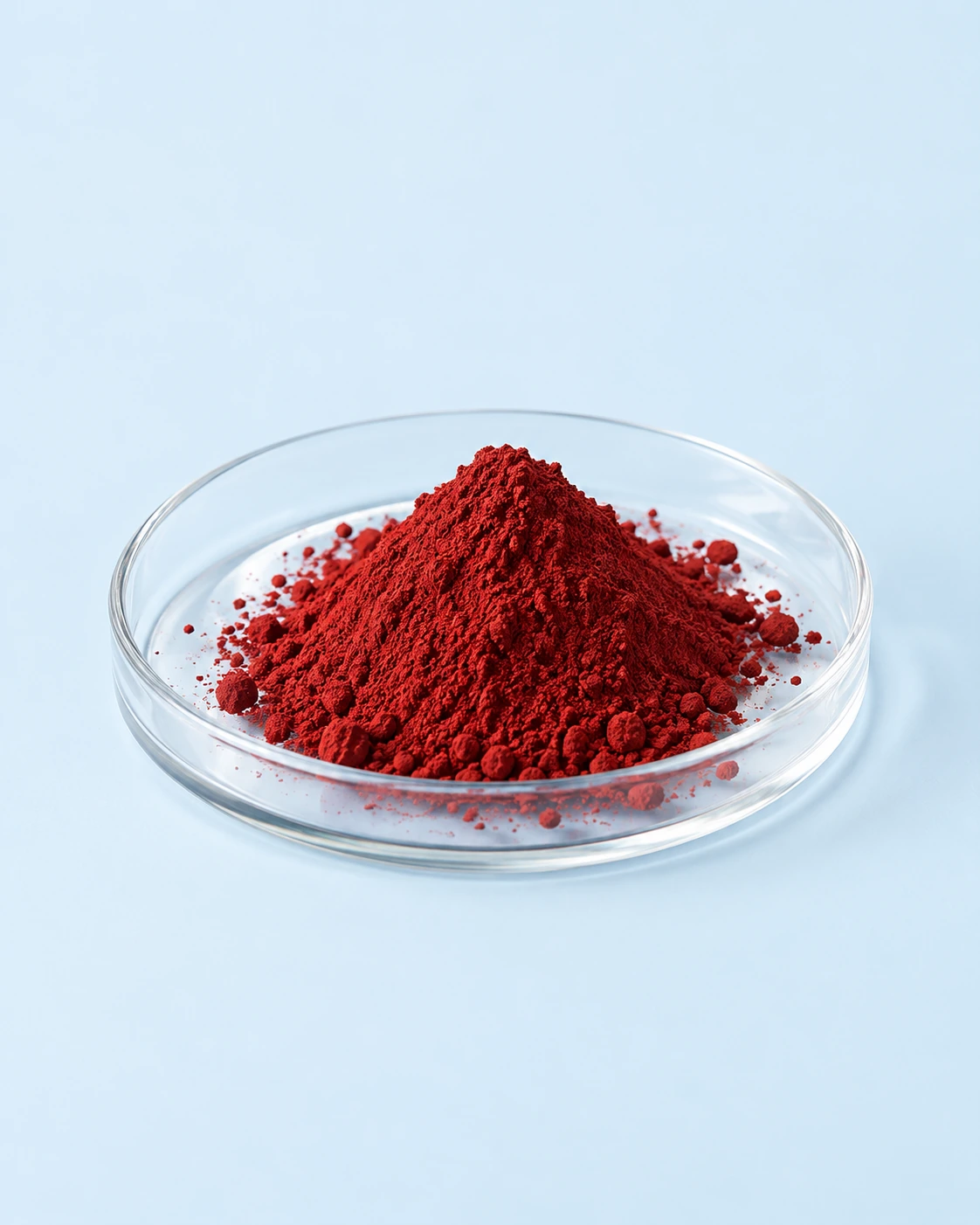 Lycopene
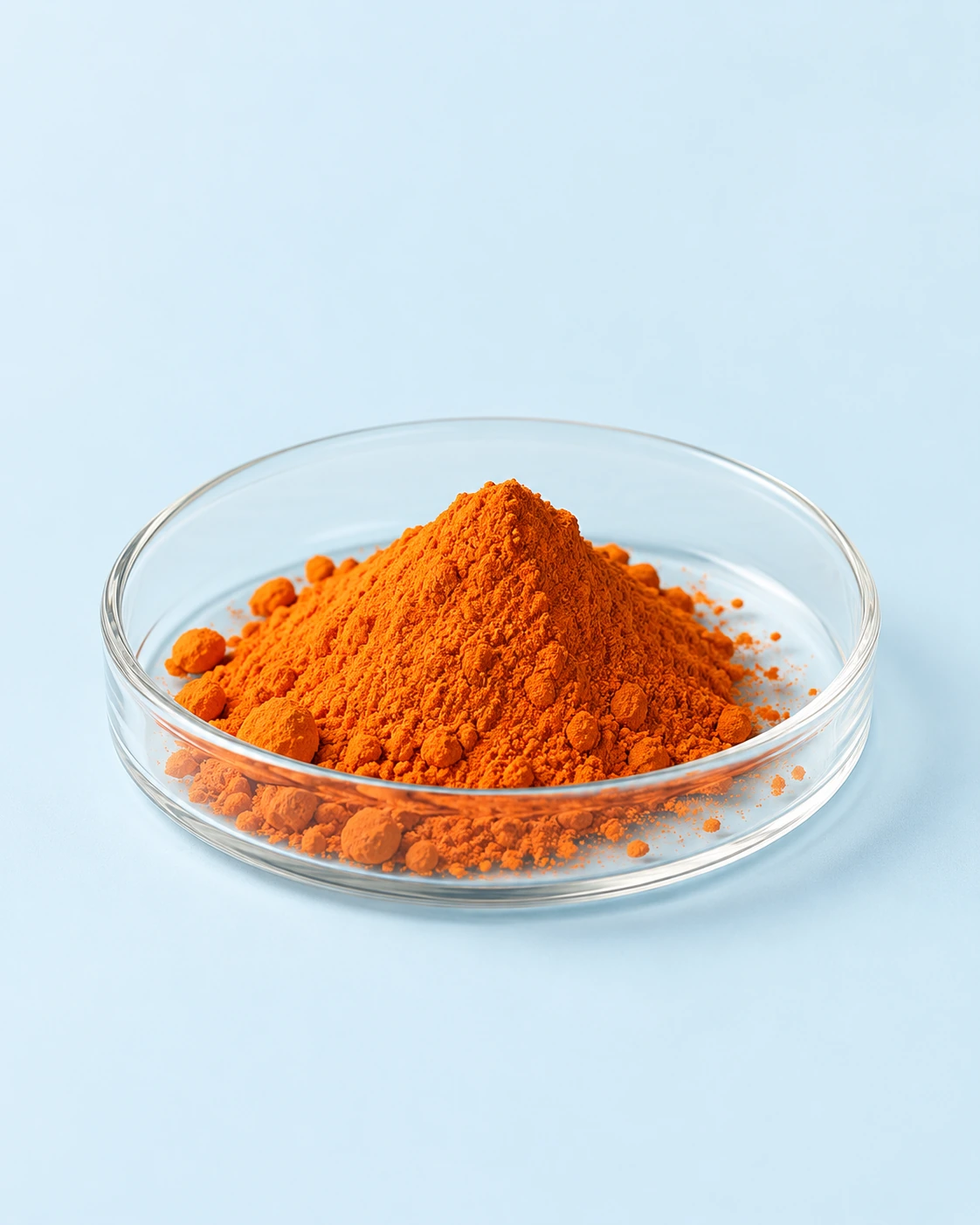 Beta-Carotene
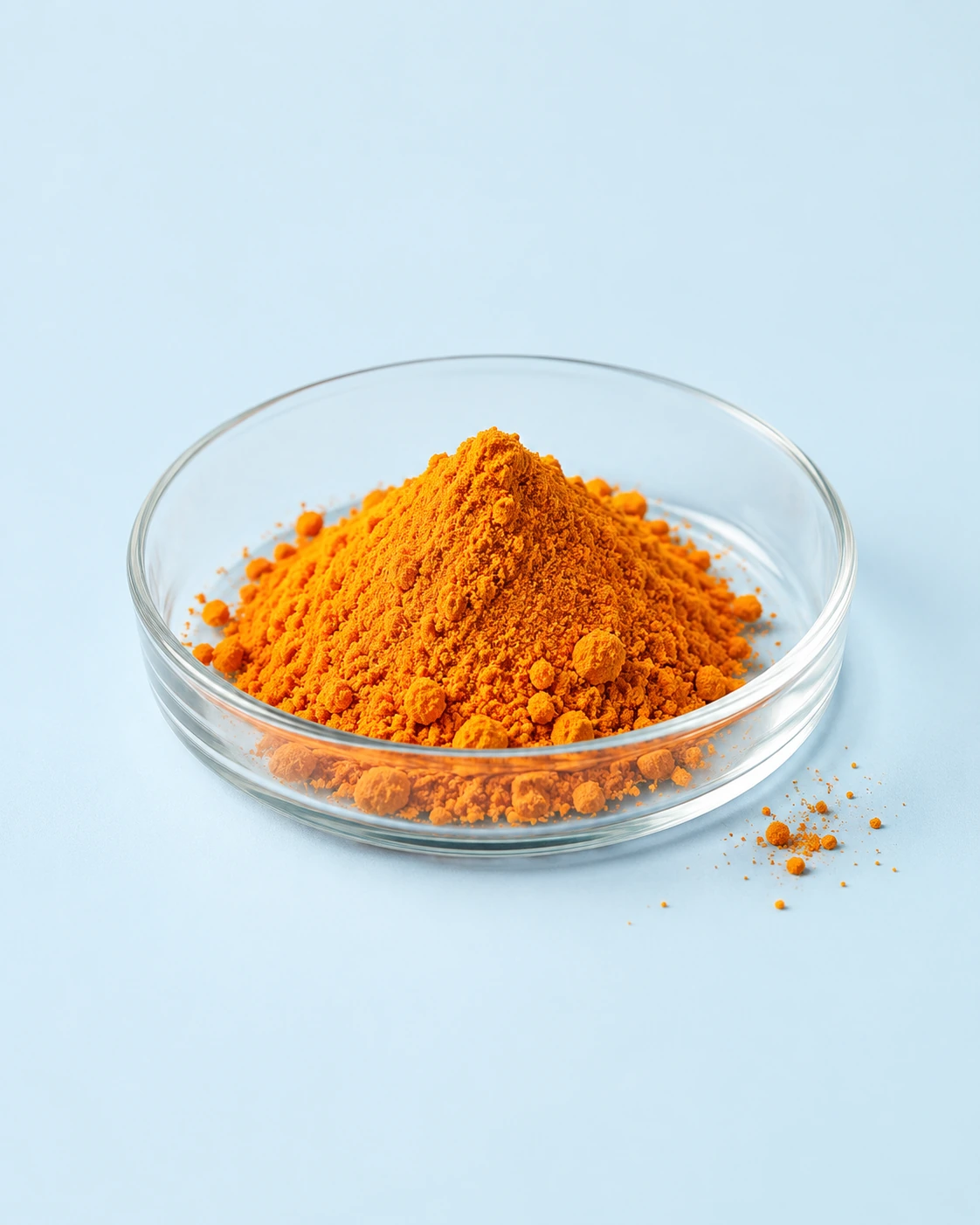 Zeaxanthin
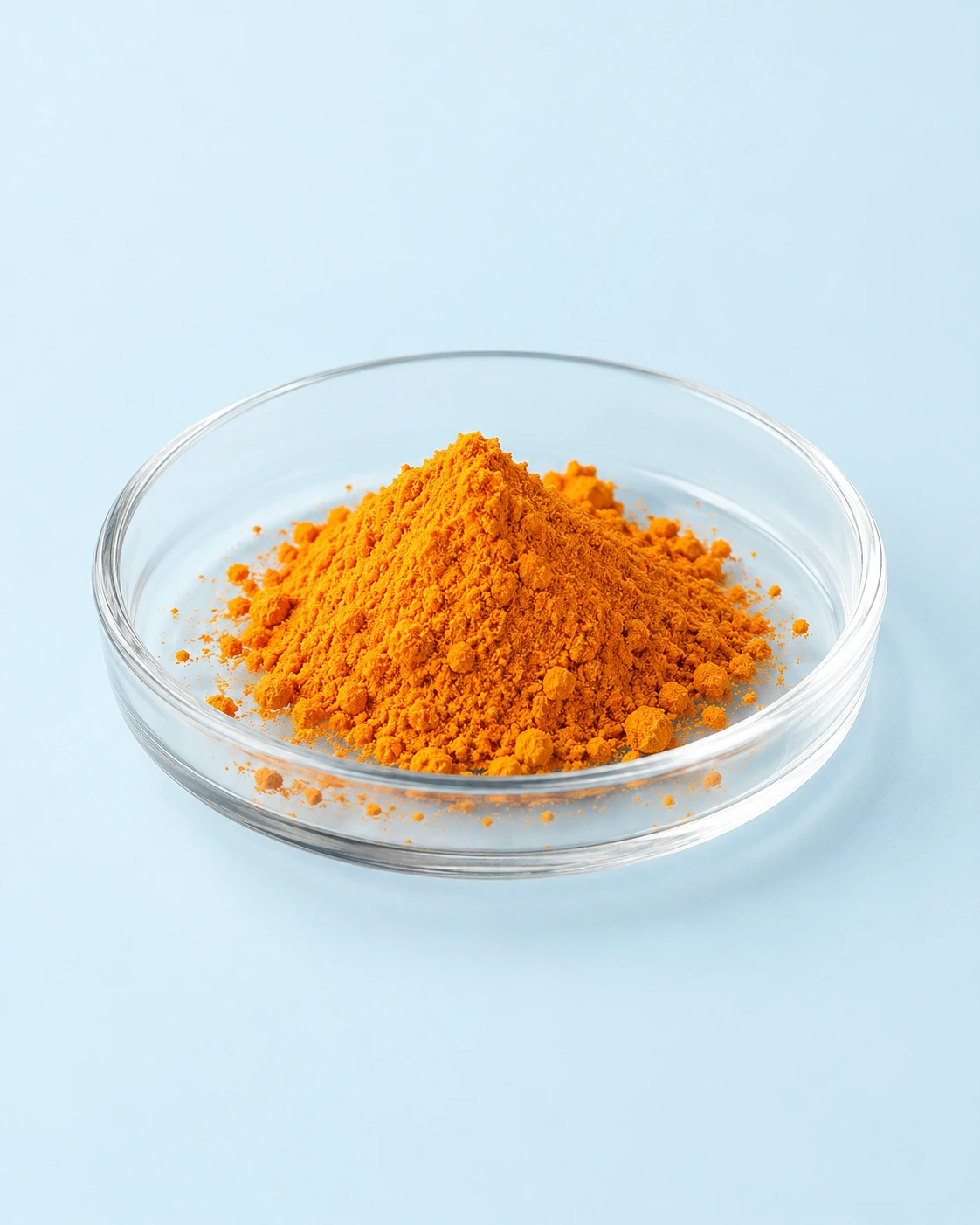 Lutein
Sources
- Vitamin A and Carotenoids: Fact Sheet for Health Professionals NIH Office of Dietary Supplements
- AREDS/AREDS2 Clinical Trials National Eye Institute, 2025
- Ausgewählte Fragen und Antworten zu Vitamin A Deutsche Gesellschaft für Ernährung