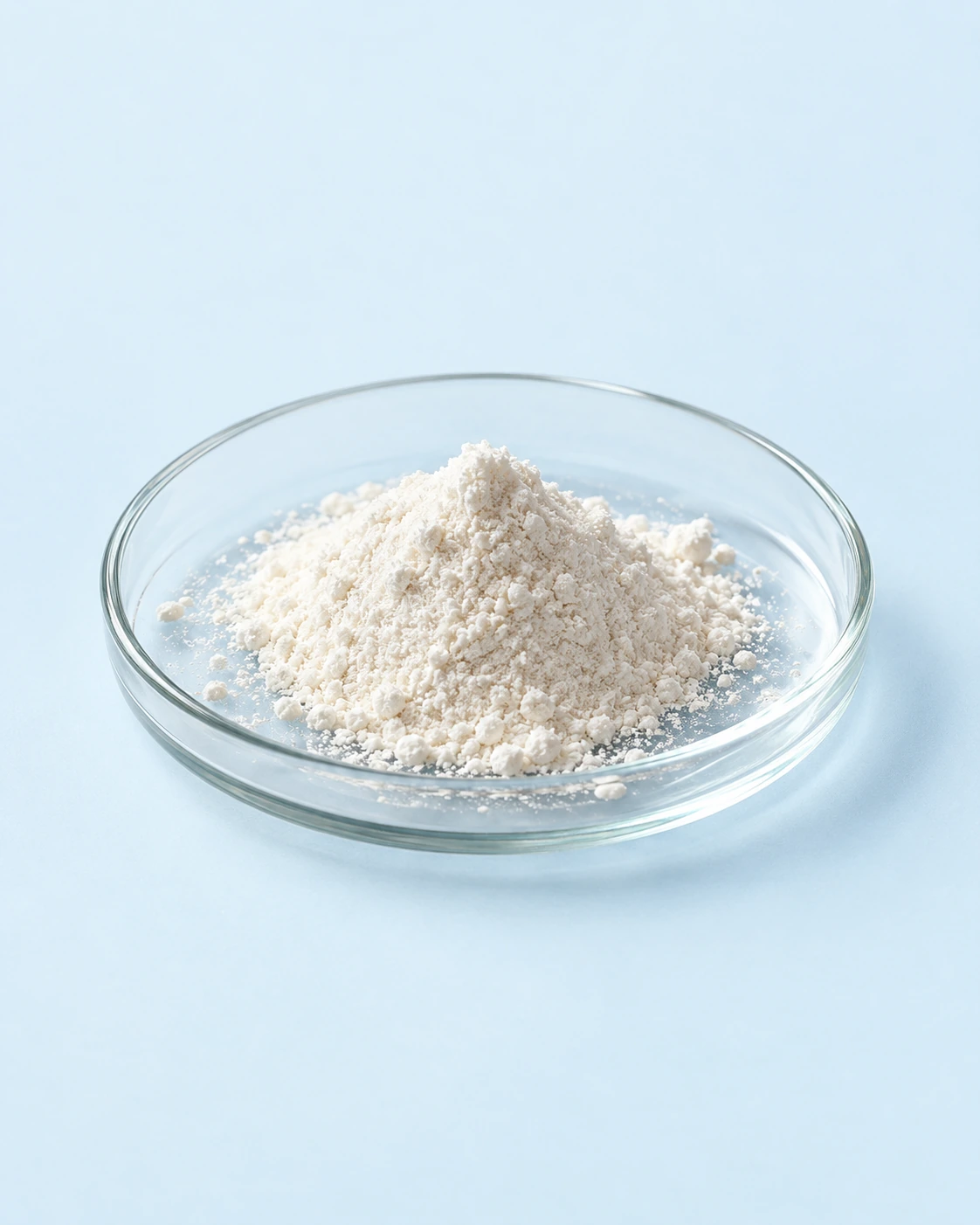
Resveratrol
Resveratrol is a polyphenol found in grapes and several other plant foods.
Also listed as Red Wine Extract, 3 5 4'-trihydroxystilbene, Trans-Resveratrol
What it is studied for
The strongest rated effects first. Bars show the size of the effect, the letter grades the evidence, and each rating lists the studies behind it.
What is resveratrol?
Resveratrol is a polyphenol found in grapes and several other plant foods. Interest in longevity partly grew from experiments extending the lifespan of yeast cells; that effect has not been demonstrated in humans. 1
Why people take it
SuppCo community snapshot, 2026-09-28. Reasons for use are not evidence that it works.
Questions people ask
Does resveratrol make people live longer?
That has not been demonstrated. The lifespan findings described by MSK concern yeast cells. 1
Does lower CRP mean fewer diabetes complications?
The reviewed trials measured inflammation and oxidative-stress markers; they do not establish fewer complications. 2
Is 150 mg an anti-aging dose?
No. It is the adult intake considered in EFSA’s safety assessment of a specified synthetic ingredient, not an established anti-aging treatment. 3
Related nutrients
 Myricetin
Sources
- Resveratrol Memorial Sloan Kettering Cancer Center
- The efficacy of resveratrol supplementation on inflammation and oxidative stress in type-2 diabetes mellitus patients Frontiers in Endocrinology, 2025