
Guar gum
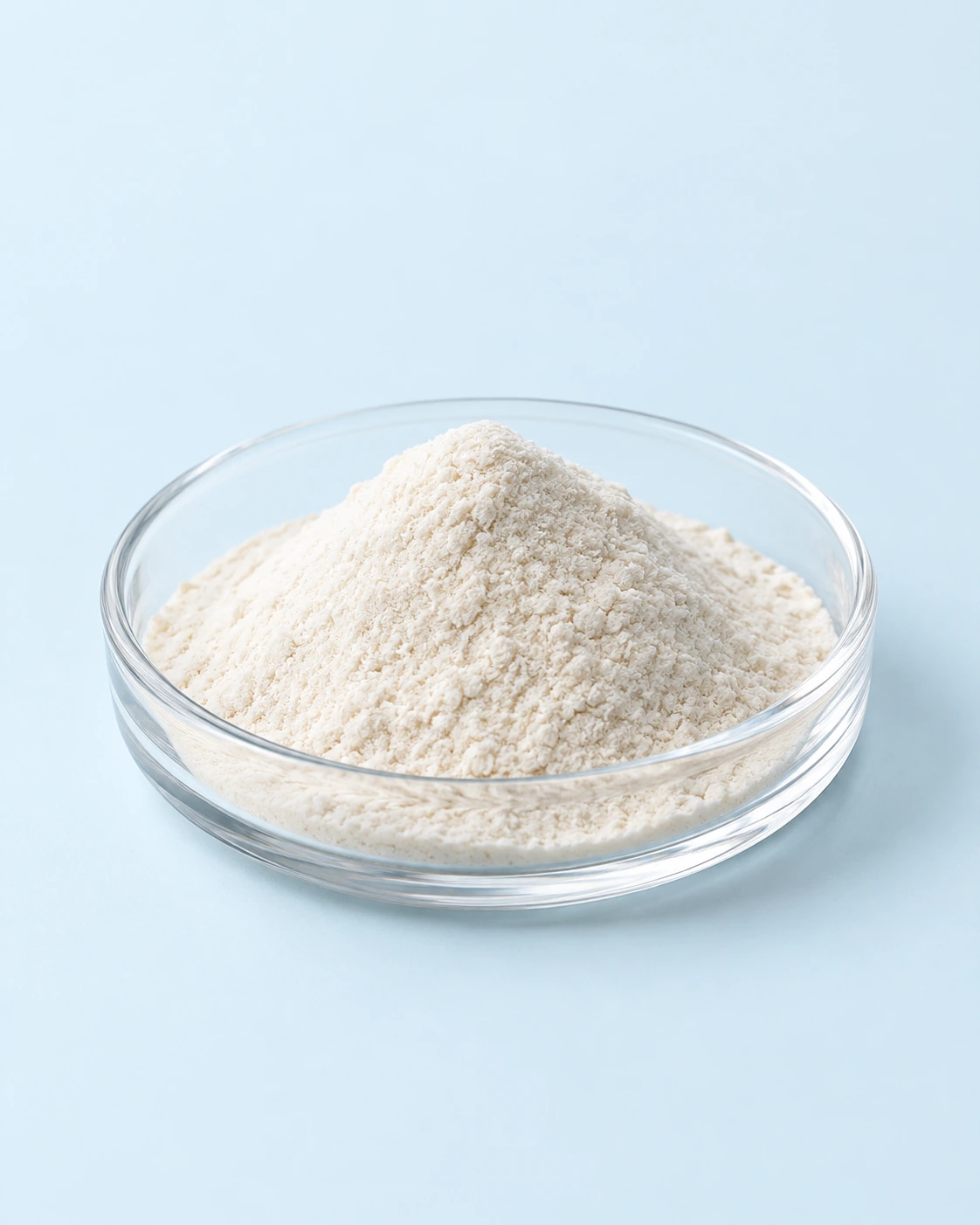
Guar gum is a soluble dietary fiber from the seeds of the guar plant, a legume. It is widely used as a thickener in foods.
What it is studied for
The strongest rated effects first. Bars show the size of the effect, the letter grades the evidence, and each rating lists the studies behind it.
Which kind of guar gum fits the question?
Guar gum is a seed-derived soluble fiber. Partially hydrolyzed guar gum, or PHGG, has been broken into smaller chains to reduce its thickness in liquids. 1
Cholesterol and bowel comfort are separate questions
Guar gum trials show lower LDL cholesterol, while PHGG studies have examined stool frequency and bloating. The preparation and the outcome matter when comparing a product with research. 2 3 4
Key studies
The most recent publications linked to Guar gum's ratings.
Why people take it
SuppCo community snapshot, 2026-09-28. Reasons for use are not evidence that it works.
Questions people ask
Is PHGG the same as ordinary guar gum?
It is a processed form with lower viscosity; the exact preparation matters. 1
Does it improve every cholesterol marker?
No. The review found lower LDL and total cholesterol, but no significant HDL or triglyceride benefit. 2
Is 10 g a general daily requirement?
No. This is the amount attached to the EU cholesterol claim. 5
Can PHGG help bloating without helping pain?
Yes. The IBS trial found a benefit for bloating, without significant improvement in other IBS symptoms. 4
Related nutrients
 Glucomannan
Sources
- Re-evaluation of guar gum (E 412) as a food additive EFSA Journal, 2017
- Effects of guar gum supplementation on the lipid profile: A systematic review and meta-analysis of randomized controlled trials Nutrition, Metabolism and Cardiovascular Diseases, 2021 · Study record
- Impact of partially hydrolyzed guar gum (PHGG) on constipation prevention: A systematic review and meta-analysis Journal of Functional Foods, 2017 · Study record
- Commission Regulation (EU) No 432/2012: permitted health claims European Commission, 2012